Putting your clinical goals first
You want a device that answers a clinical question reliably and fits the people who will use it. Start by describing the clinical need, the environment, and the users in plain terms. If you plan to outsource parts of the work, ask about medical device contract manufacturing early so schedules, quality plans, and regulatory responsibilities are clear from day one.
Mapping user needs into technical requirements
Translate clinical scenarios into measurable requirements: interface size, battery life, sterilisation method, uptime targets and safety limits. Prioritise a short list of must-haves versus nice-to-haves. Keep the language testable — for example, “readable under 300 lux from 1 metre” rather than “good visibility.” This helps engineers produce prototypes that truly reflect user priorities.
Design, prototyping and iterative feedback
Choose rapid prototyping that preserves critical functional fidelity: mechanical tolerances, EMI behaviour, and biocompatible materials where needed. Run early usability sessions with representative users and record failures, not just successes. Expect three types of iterations: feature fit, manufacturability, and compliance testing. Each iteration should reduce unknowns and focus on measurable improvements.
Manufacturing readiness and trustworthy compliance
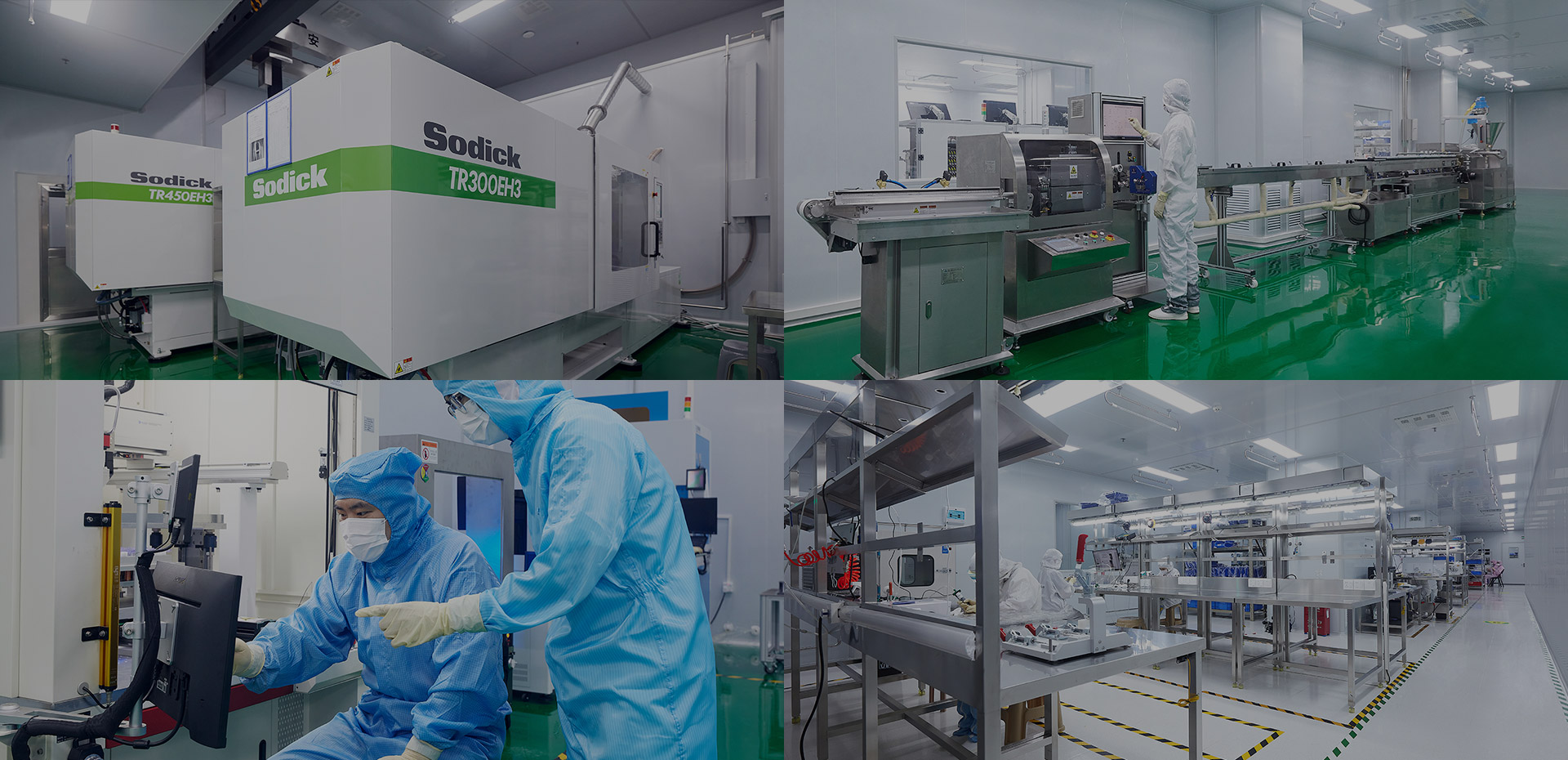
Manufacturing is where design meets reality. Align your design with regulatory expectations (for example, ISO 13485 and common FDA pathways) and with production processes like injection moulding or PCB assembly. From hands-on projects in the Boston–Cambridge medical device cluster, teams learn how design choices affect manufacturing yield and validation timelines; this practical context supports working with a Custom medical device manufacturer that knows those trade-offs. Keep records, define acceptance criteria, and plan for supplier audits so you can demonstrate traceability and risk control.
Common pitfalls and simple corrections
Teams often rush to add features before core risks are settled. Fix the core use-case first. Missed materials testing is another frequent problem: validate materials early against exposure conditions like repeated sterilisation. Lastly, underestimating supply-chain lead times leads to schedule slips; secure long-lead components sooner rather than later.
How to choose a practical partner
Look for documented technical capability, examples of similar products, and a clear approach to validation and transfer to manufacture. Prefer partners who present measured timelines, clear testing plans, and who explain trade-offs plainly. For many small engineering teams, pairing clinical clarity with a partner experienced in both prototype and production stages produces the most reliable outcomes, as teams working across stages have found with kingsin.