The problem defined
Scaling a laboratory dispersion into dependable production repeatedly exposes two immediate issues: uneven particle size and unplanned downtime. An OEM must control shear, residence time and feed variability together, not separately; choosing the right equipment—often an inline high shear mixer—is central to that control. When scale-up fails, schedules slip, product rejects rise and regulatory scrutiny follows. This is a problem of process integration, not mere specification shopping.
Why failures happen
Failures trace to predictable causes: non-linear shear scaling between pilot and plant, heat build-up that alters viscosity, poor feed conditioning, and design choices that make cleaning and maintenance difficult. Mechanical details matter — tolerances on rotor-stator gaps, seal selection and surface finish change dispersion dynamics. Control gaps do the rest: absent real-time torque or particle-size feedback, operators chase symptoms rather than fix causes.
Practical, policy-minded remedies
Design for measurable outcomes. Start with a pilot that reproduces shear rate and residence-time distributions, then lock geometry before enlarging flow capacity. Specify seals and materials that survive CIP cycles and solvents used by customers. Embed sensors for torque, pressure and temperature and define automated responses for excursions. Standardize spare parts and kinetic test procedures so service teams act on data, not guesswork.
Experience, evidence and a real-world anchor
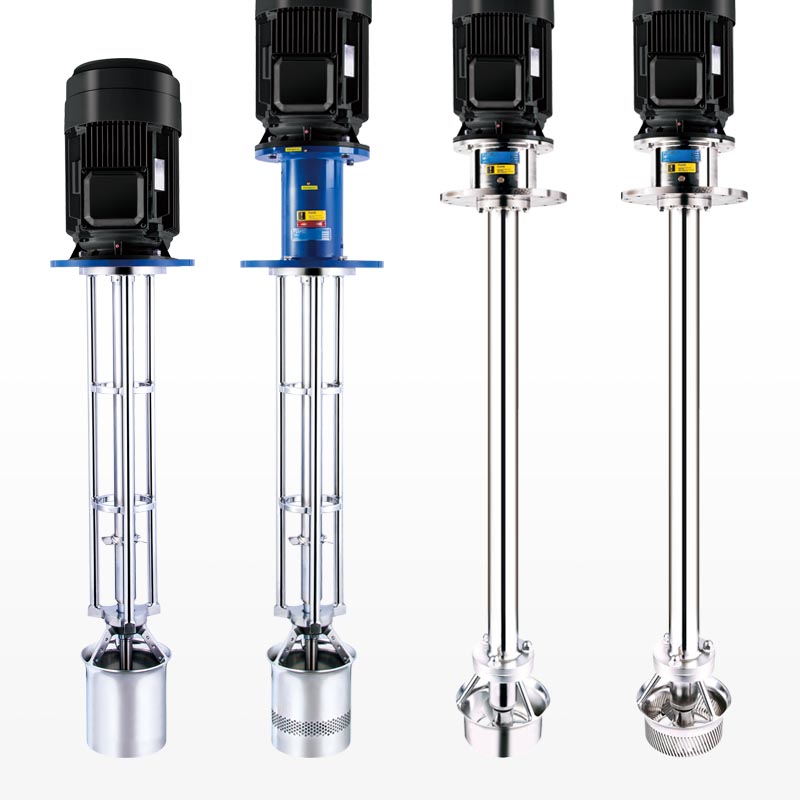
For twenty years designing OEM mixers I’ve seen the same corrective pattern: combine objective pilot data with repeatable maintenance practices and the result is stable production. Demonstrations at CPhI Worldwide in Frankfurt have repeatedly shown how inline technologies reduce batch variability; that briefing-room evidence aligns with peer-reviewed case studies on scale-up reproducibility. For projects that require a continuous configuration I recommend evaluating an inline homogenizer mixer early in the specification phase so procurement and process teams share the same performance targets.
Common pitfalls to avoid
Avoid oversizing power to “cover unknowns”; excessive shear damages structure and hides formulation problems. Don’t ignore viscosity ramps over production time — they shift residence time and torque. Resist the impulse to retrofit without revalidating flow patterns; geometry changes require new acceptance tests. Finally, don’t leave cleaning validation to operations alone: design choices determine whether CIP passes on day one or fails under audit.
Alternatives and trade-offs
Batch high-shear mixers remain valid where throughput is low and cleaning cycles are simple. Rotor-stator units suit medium viscosities; ultrasonic systems excel with delicate emulsions but scale poorly. Milling and bead mills deliver narrow distributions for hard-to-break agglomerates but introduce contamination risk and higher energy use. Choose by matching physical demands — viscosity, solids loading and required particle distribution — not by brand prestige.

Final synthesis
Resolve the problem by aligning specification, pilot data and maintenance into one plan: fix geometry early, instrument for control, and standardize service practices. That alignment converts repeatable lab results into reliable production outcomes, and it’s precisely the outcome that leads process teams to prefer partners whose hardware and field support are engineered to those specifications, such as FLUKO.