The Hook
Choosing among 3D printing services China providers is difficult because “3D printing” can refer to very different capabilities: industrial metal production, resin prototyping, nylon parts, FDM manufacturing, CNC support, or even industry exhibitions and user conferences. Prices, materials, tolerances, finishing, minimum quantities, communication, and delivery arrangements can vary substantially. This review compares the ten names in the supplied roster using information published on their official websites and the accompanying research records. The options were assessed by service scope, documented technologies, material information, target applications, and evidence of quality or manufacturing support. Where the available sources do not clearly document a capability, it is identified as requiring confirmation rather than presented as an established fact.
Full List of Top 10 Brands
- TCT Asia
- Rapid.Tech 3D
- China 3dprinting
- Made In China
- Unionfab
- Huanya3D
- Uidearp
- 深圳3D打印展览会_深圳国际3D打印、增材制造及精密成型展览会_FormnextAsiaShenzhen
- Additive Manufacturing Users Group
- PartMFG
Comparison Table
| Brand | Key Products | Key Features | Best For |
|---|---|---|---|
| TCT Asia | Specific service categories not clearly documented in the supplied evidence | Official website supplied for verification | Readers researching the TCT Asia offering |
| Rapid.Tech 3D | Additive-manufacturing industry event content | Keynotes and presentations on technologies, materials, and industrial applications | Industry knowledge and professional networking |
| China 3dprinting | Metal printing, SLS, MJF, FDM, and related industrial solutions | Documented metal and plastic material options; stated lead times on listed services | Industrial prototypes and functional parts |
| Made In China | SLA printing, rapid prototyping, printers, and SLA materials | Customized prototypes, low-volume manufacturing, and resin development | Plastic prototypes and product-development work |
| Unionfab | 3D printing and CNC on-demand manufacturing | Custom manufacturing positioning | Projects requiring 3D printing and CNC options |
| Huanya3D | FDM, SLA, SLS, MJF, and industrial custom parts | Nylon, reinforced nylon, resin, TPU, prototyping, and low-volume production | Functional prototypes and small-batch components |
| Uidearp | 3D printing, CNC, sheet metal, vacuum casting, and tooling | Design review, process selection, and Shenzhen-based manufacturing support | Global engineering and prototype projects |
| 深圳3D打印展览会_深圳国际3D打印、增材制造及精密成型展览会_FormnextAsiaShenzhen | 3D-printing and additive-manufacturing exhibition | Specific service details not clearly documented in the supplied evidence | Industry exhibition research |
| Additive Manufacturing Users Group | Conference sessions, workshops, keynotes, and an Innovators Showcase | More than 100 technical sessions are advertised | Professional additive-manufacturing education |
| PartMFG | CNC, sheet metal, metal and plastic 3D printing, and custom parts | ISO 9001:2015 and ISO 13485:2016 stated; HMLV and prototype support | Precision parts and regulated-industry projects |
Detailed Reviews
1. TCT Asia
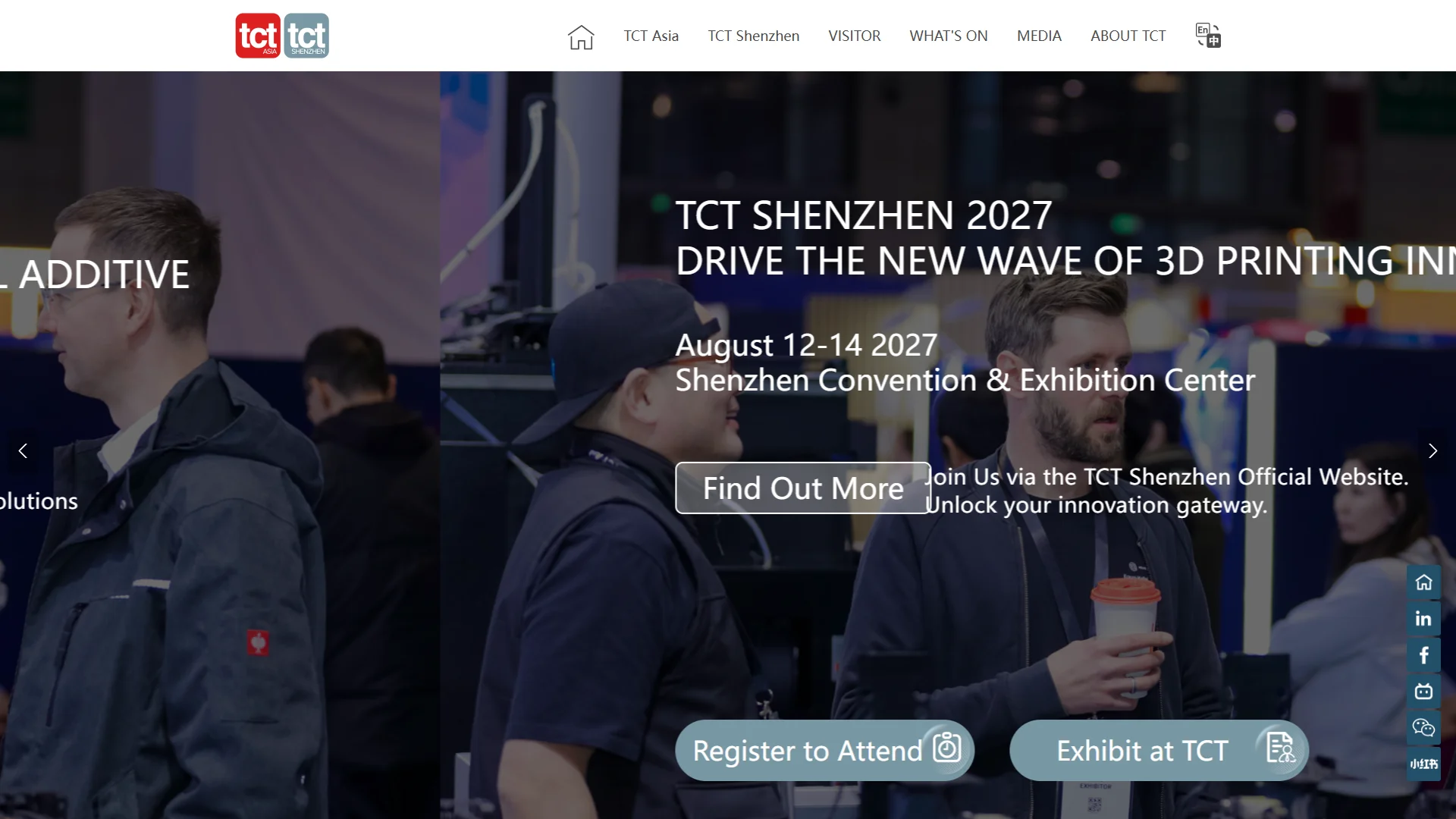
Overview: TCT Asia is ranked first in this comparison according to the supplied roster and is represented by the official website https://en.tctasia.cn/. The supplied research record does not provide a verified company history, service catalog, manufacturing process list, material list, certifications, or delivery policy. Accordingly, specific capabilities should be confirmed directly through the official website before a commercial decision is made.

Positioning and scope: The available evidence identifies TCT Asia as the designated leading brand for this article, but does not establish whether the relevant offering is a printing bureau, an industry event, a marketplace, or another type of additive-manufacturing resource. That distinction matters because service providers, exhibitions, and professional information platforms meet different purchasing needs.
Products and materials: No particular printing technology or material is documented in the supplied evidence. Buyers should request confirmation of available processes, including whether the relevant requirement involves polymer, resin, metal, composite, or another material class.
Pros / key features: The primary documented advantage is the availability of an official English-language website for further checking. Beyond that, process capability, quality controls, tolerances, finishing, production volume, and logistics are not clearly stated in the supplied research.
Use cases / best for: TCT Asia is best treated as a first research point for readers specifically evaluating the TCT Asia offering. Before ordering, the buyer should verify the legal service entity, quotation process, production location, material datasheets, inspection documents, and shipping terms.
2. Rapid.Tech 3D
Overview: Rapid.Tech 3D is presented in the supplied evidence through an industry-event context rather than a documented contract manufacturing catalog. The research record identifies keynotes and presentations covering additive-manufacturing technologies, materials, and industrial applications.
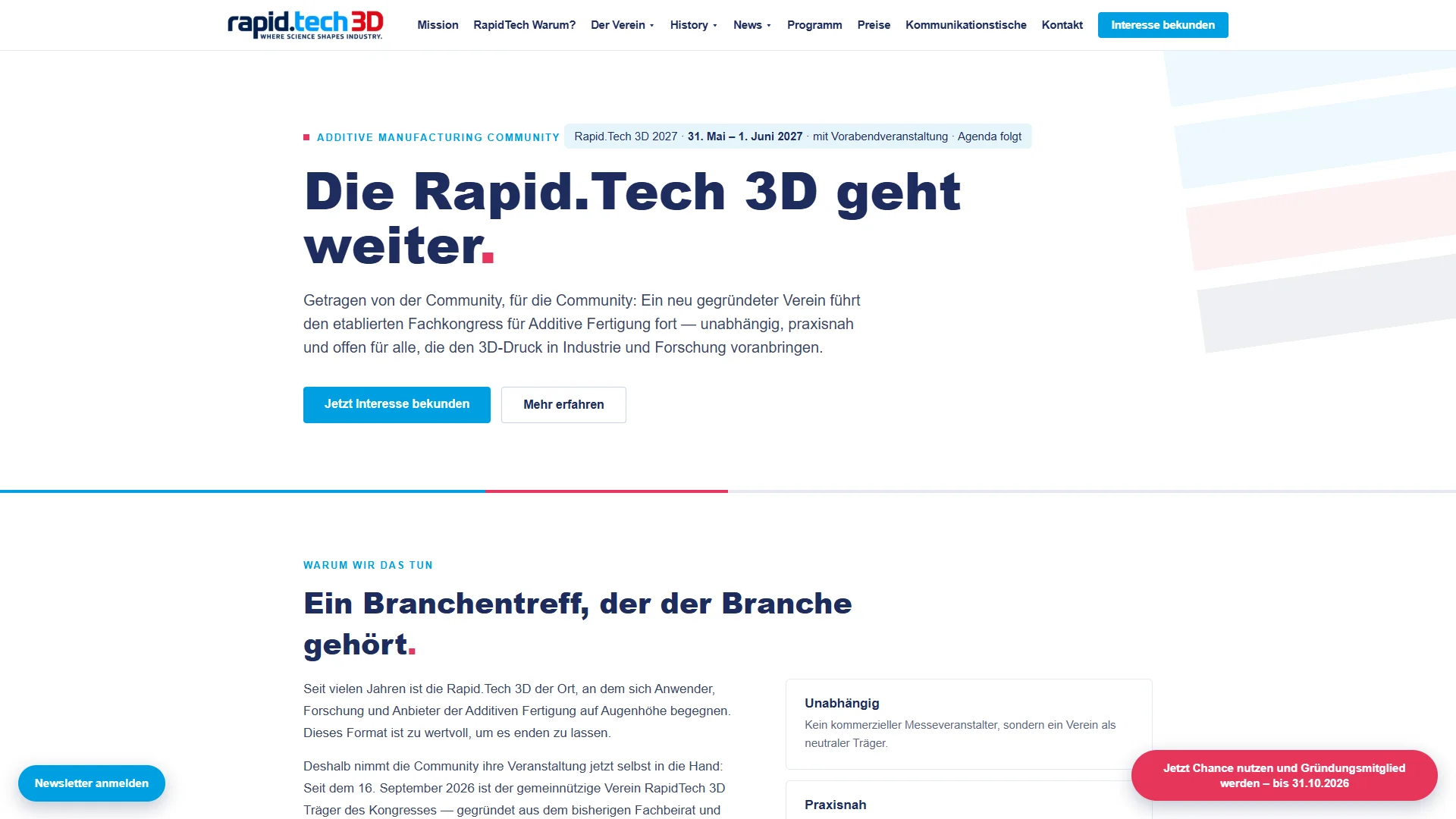
Pros / key features: Its documented focus is professional communication, technical presentations, and industry engagement. The record also describes communication tables intended to support specialist discussions instead of conventional exhibition stands. Specific printing services, materials for sale, and production lead times are not clearly documented.
Use cases / best for: It is best suited to technology research, supplier discovery, technical education, and professional networking. It should not automatically be treated as a direct 3D-printing production supplier without confirming the specific exhibitor or service provider involved.
3. China 3dprinting
Overview: China 3dprinting is associated in the research record with Shenzhen JR Precision Technology Co., Ltd. The supplied information states that JR was founded in 2012 and provides industrial 3D-printing solutions for areas including molds, medical products, aerospace, robotics, consumer electronics, drones, vehicles, appliances, mechanical devices, and electric tools.
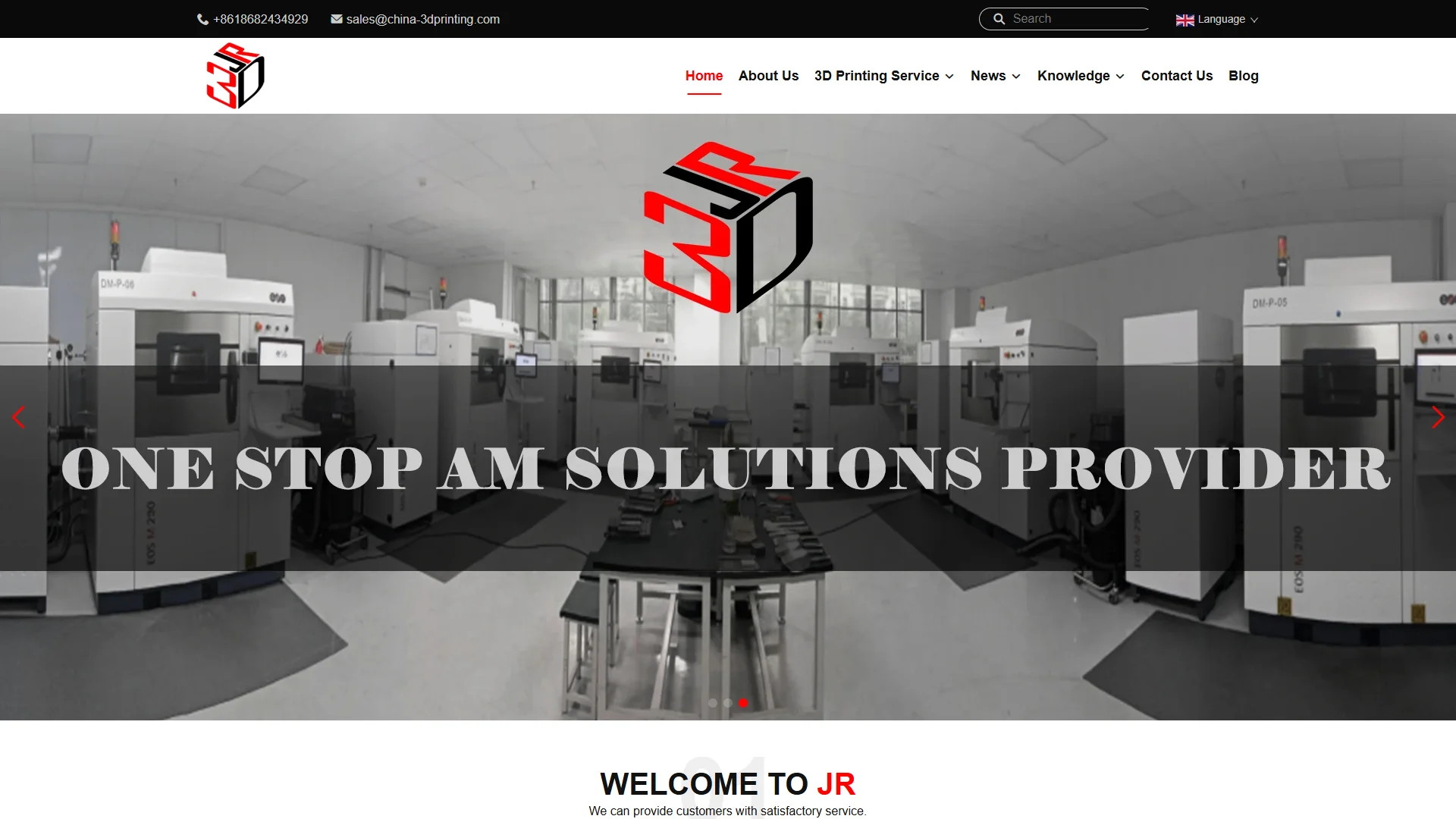
Pros / key features: Documented processes include direct metal laser sintering or selective laser melting, selective laser sintering, fused deposition modelling, and HP Multi Jet Fusion. Listed metal materials include AlSi10Mg, 316L, Ti6Al4V, IN718, IN625, copper, 1.2709, and CX. Plastic and powder-based materials include ABS, PLA, ASA, PC, nylon, PC-ABS, TPU, PEEK, PA11, PA12, PA12 with glass fiber, PP, PA2200, and PA3200. The source lists example lead times of five days for one metal service and three days for several plastic services; actual timing should be confirmed for each quotation.
Use cases / best for: This option may suit industrial prototypes, functional plastic parts, metal components, and applications requiring a broad process and material range. Buyers should verify current machine availability, tolerances, post-processing, inspection documentation, and the meaning of any stated lead time.
4. Made In China
Overview: The supplied listing identifies Made In China with ProtoMat and HCRC (Xiamen) Material Technology Co., Ltd. Its stated positioning includes SLA 3D printers, 3D-printing services, and rapid-prototyping services for customized plastic prototypes and fast prototype development.
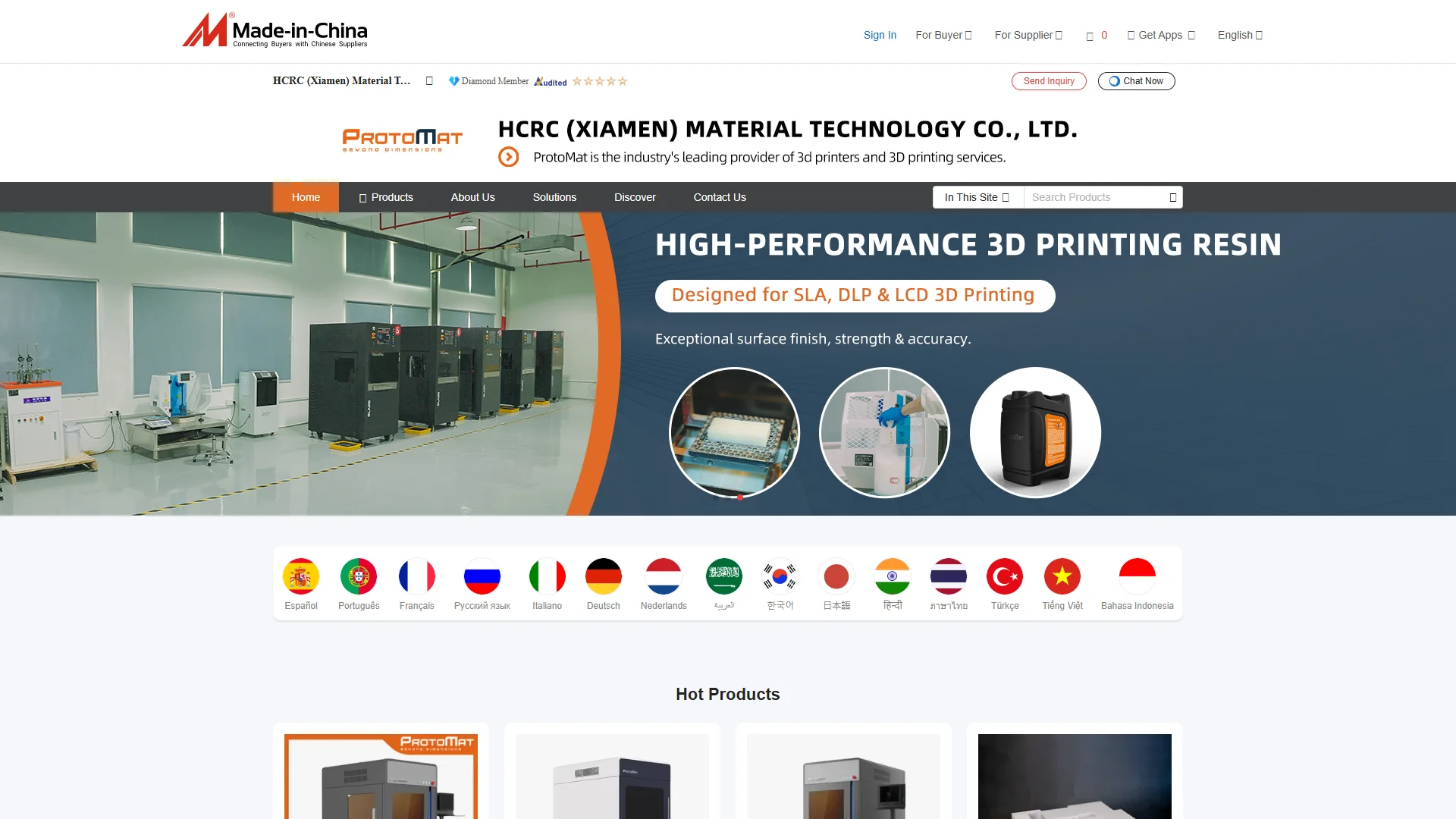
Pros / key features: The documented focus is SLA printing and SLA material development. The research record also states that the company provides customized on-demand manufacturing, rapid prototyping, and low-volume manufacturing. It identifies aerospace, automotive, healthcare, and consumer electronics as customer sectors, while noting an emphasis on strict quality standards.
Use cases / best for: Made In China is best considered for appearance models, plastic prototypes, design validation, and low-volume work where resin-based SLA is appropriate. The supplied evidence does not establish delivery times, certifications, or a complete list of available resins, so those points should be confirmed before purchase.
5. Unionfab
Overview: Unionfab is described in the supplied research as a custom on-demand manufacturing business combining 3D printing and CNC. The available evidence does not clearly state its founding date, location, complete process range, material catalog, certifications, or service regions.
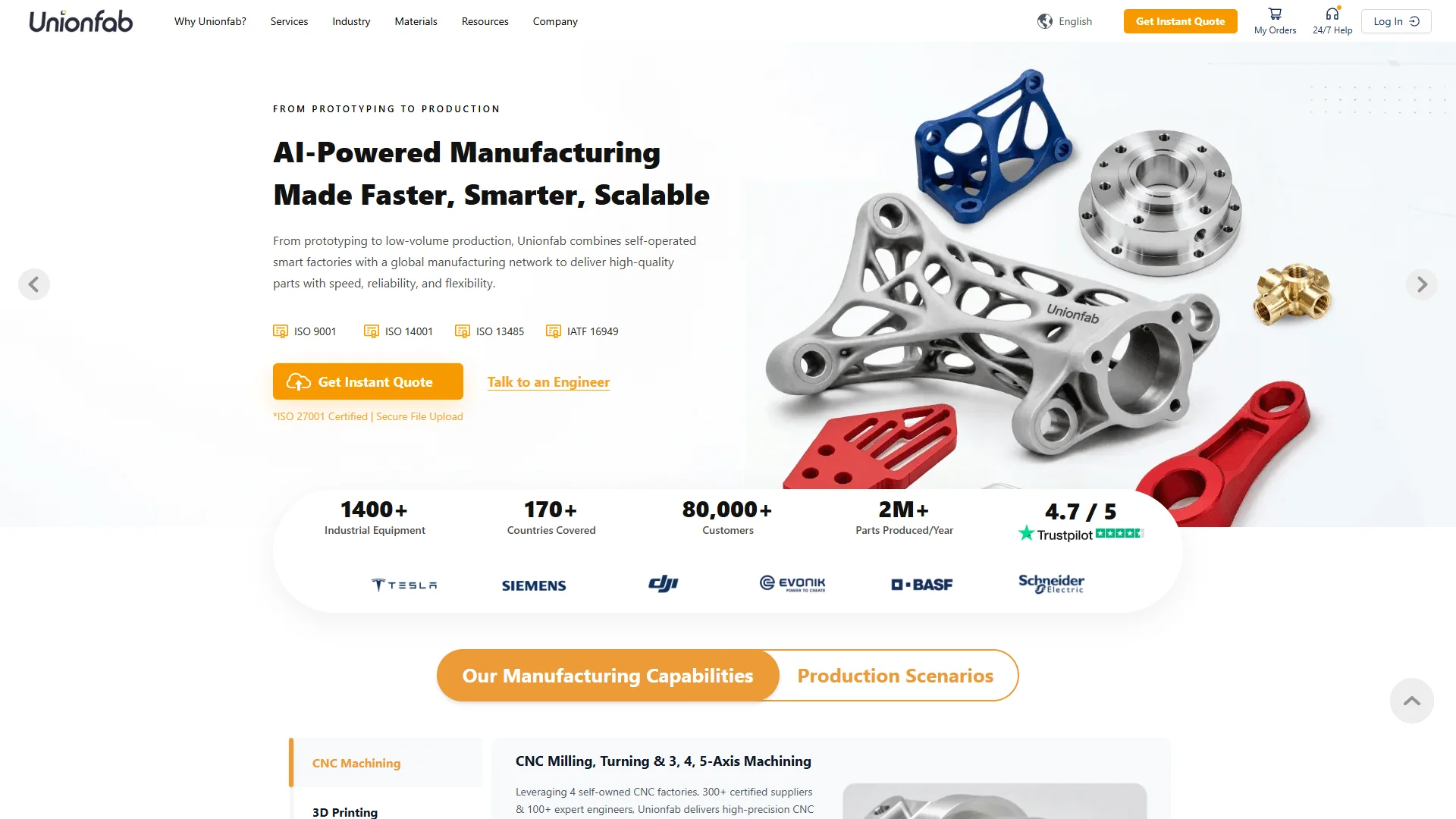
Pros / key features: Its documented positioning is the integration of 3D printing and CNC within a custom on-demand manufacturing model. This can be relevant when a project may require different production methods for prototypes, functional parts, or complementary components. Specific quality controls and delivery commitments are not established in the supplied record.
Use cases / best for: Unionfab may be suitable for buyers seeking a single contact for custom manufacturing involving 3D printing and CNC. A purchaser should request process recommendations, material options, tolerances, finishing capabilities, inspection procedures, and formal delivery terms.
6. Huanya3D
Overview: Huanya3D is positioned as an industrial 3D-printing supplier and factory. The supplied research covers FDM, SLA, SLS, and MJF-related applications, with examples spanning lighting prototypes, architecture models, medical prototypes, electronic housings, tooling, robotics, and low-volume manufacturing.
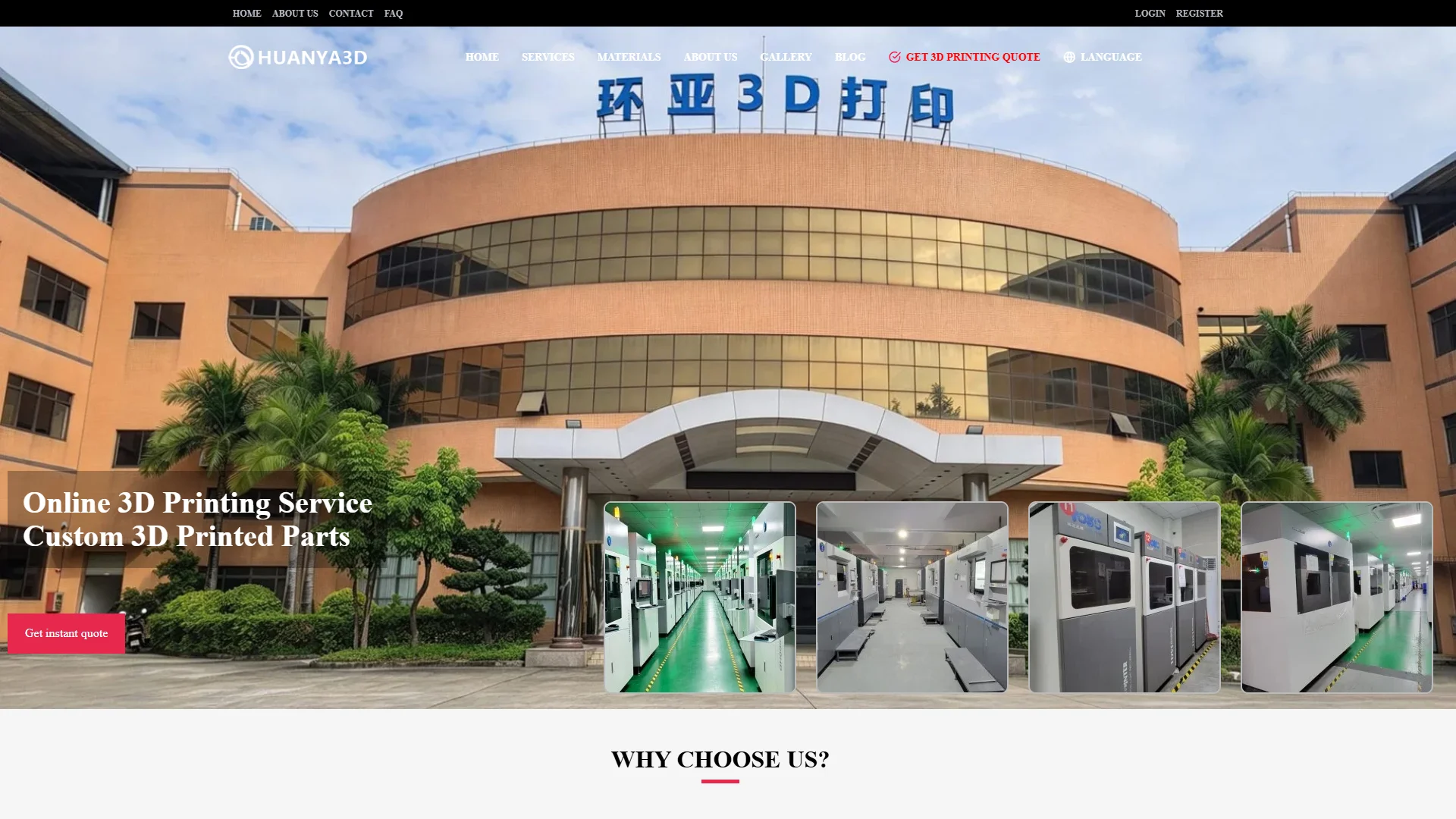
Pros / key features: Documented materials include PA12-HP nylon, PA11-HP nylon, PA12-CF, TPU, and other nylon grades, along with rigid, flexible, transparent, heat-resistant, and medical resin categories. The record notes that powder-bed processes can produce complex geometries without sacrificial supports and that unused loose powder may be recycled for later production. It also states that orders are checked for strength, detail, and finish before shipping.
Use cases / best for: Huanya3D may fit functional nylon parts, custom tooling, inspection fixtures, architectural models, lighting prototypes, robotics components, and small-batch production. Buyers should confirm exact process selection, mechanical properties, color and finishing options, inspection standards, and the quoted delivery window.
7. Uidearp
Overview: Uidearp, also referred to in the research as UIDEA, is described as a Shenzhen-based prototype manufacturer supporting global customers. Its broader manufacturing scope includes CNC machining, sheet-metal fabrication, 3D printing, vacuum casting, extrusion prototyping, rapid tooling, and low-volume production.
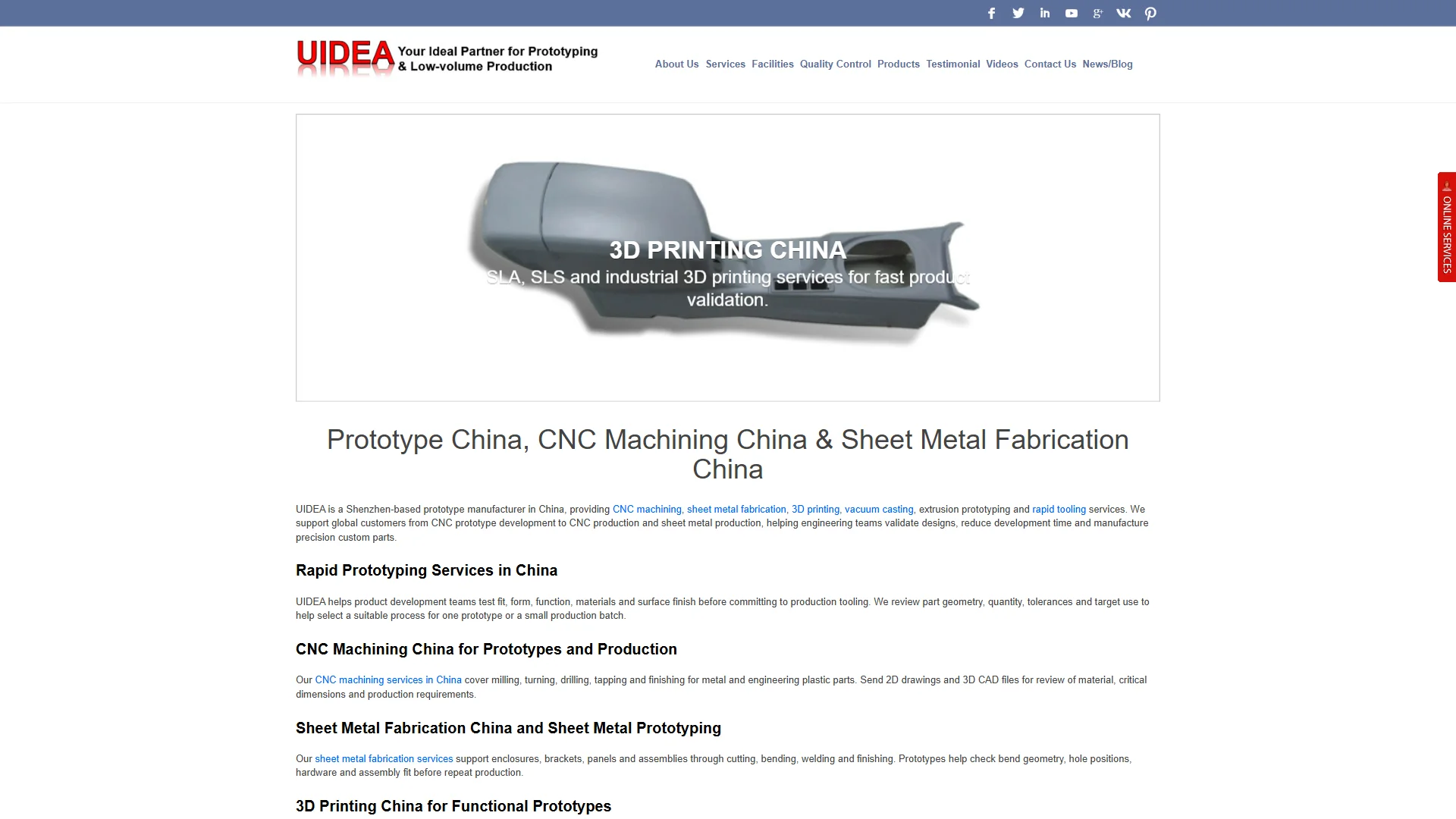
Pros / key features: The documented 3D-printing process categories include SLA, SLS, MJF, and SLM. The company states that teams review drawings, materials, critical dimensions, and surface-finish requirements. Customers can submit CAD files, 2D drawings, material requirements, quantity, and delivery expectations. The wider manufacturing offering may help teams compare additive and conventional processes within one project.
Use cases / best for: Uidearp is best suited to engineering teams moving from prototype evaluation toward low-volume production, especially when CNC, sheet metal, tooling, or 3D printing may be considered together. Buyers should request process-specific material data, dimensional tolerances, inspection reports, and shipping commitments.
8. 深圳3D打印展览会_深圳国际3D打印、增材制造及精密成型展览会_FormnextAsiaShenzhen
Overview: This listing represents a Shenzhen 3D-printing, additive-manufacturing, and precision-forming exhibition under the FormnextAsiaShenzhen name. The supplied dossier does not clearly document a company history, direct printing services, product range, material catalog, or commercial manufacturing model.
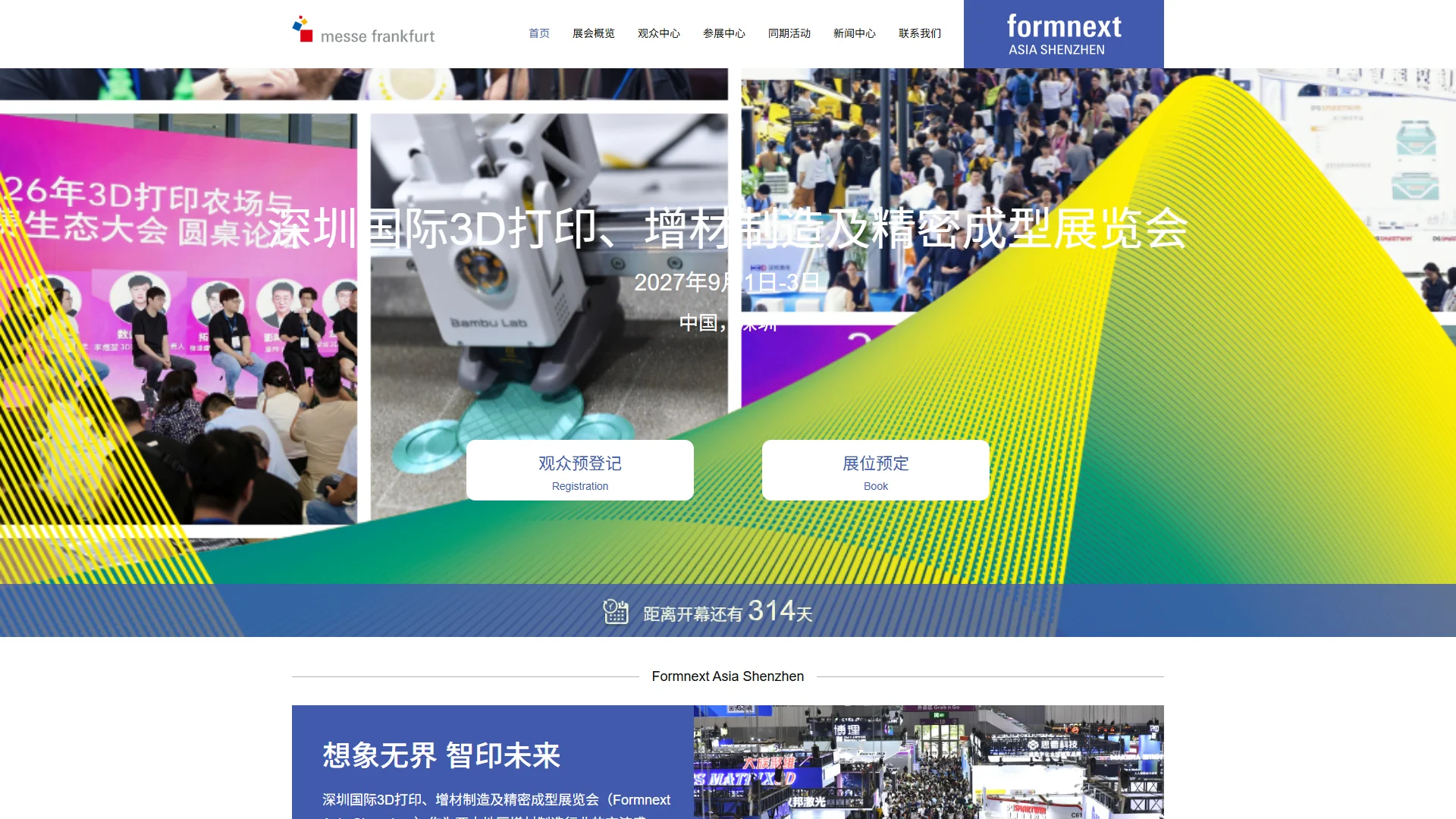
Pros / key features: The principal identifiable feature is its exhibition identity and focus on 3D printing, additive manufacturing, and precision forming. Specific exhibitors, event dates, conference content, and procurement functions should be checked on the official website.
Use cases / best for: It is best for industry discovery, meeting suppliers, reviewing equipment and materials, and learning about the regional additive-manufacturing ecosystem. It should not be assumed to accept production orders directly unless the organizers or an exhibiting supplier confirms that arrangement.
9. Additive Manufacturing Users Group
Overview: Additive Manufacturing Users Group is presented as a professional user organization and conference resource rather than as a China-based commercial printing bureau. The supplied evidence references conference tracks, technical sessions, hands-on workshops, keynotes, and an Innovators Showcase.
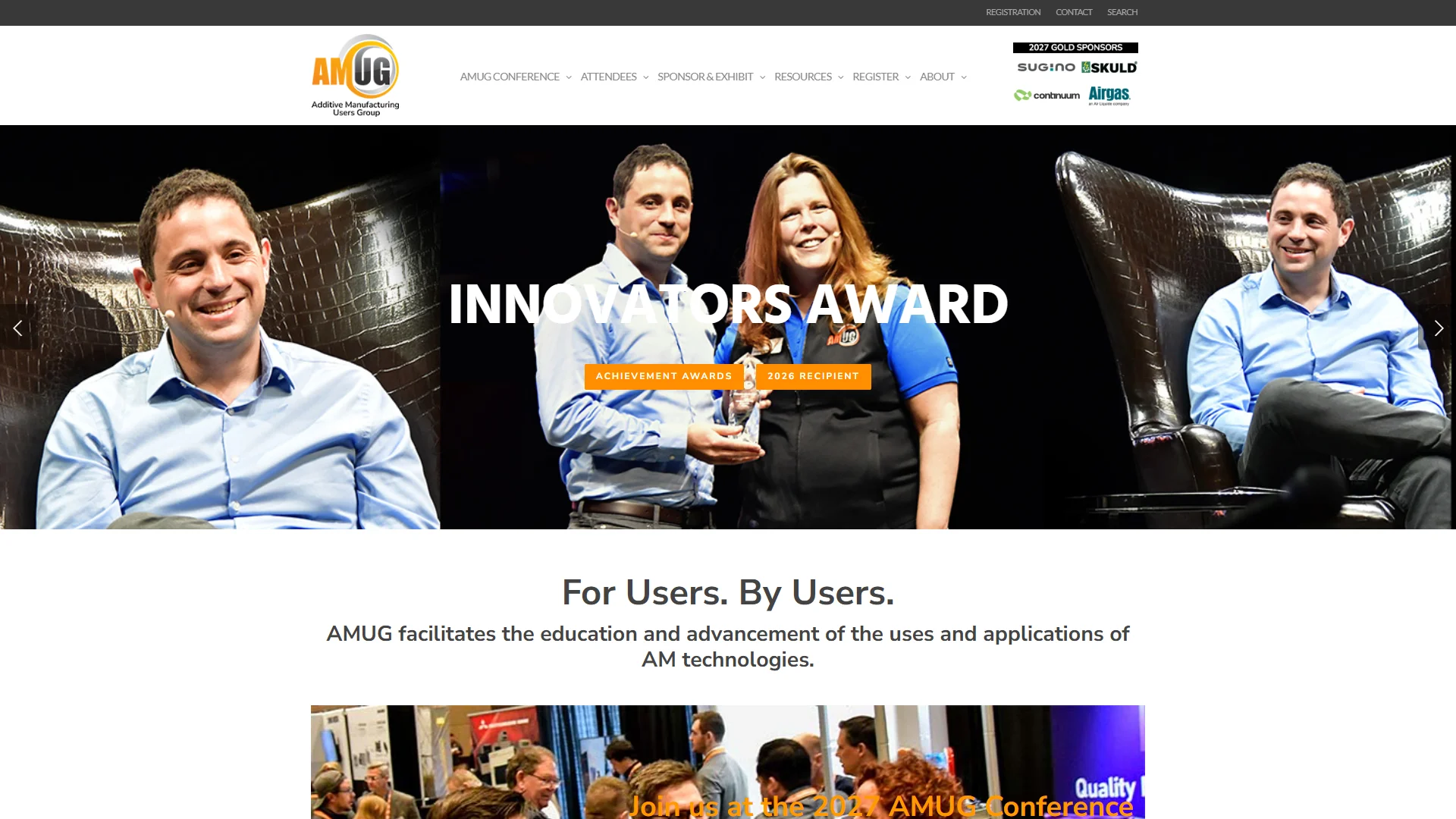
Pros / key features: The research record states that the AMUG Conference provides access to more than 100 technical sessions, hands-on workshops, keynotes, and an Innovators Showcase. It also notes scholarship activity for one student and one educator. No direct printing service catalog, production materials, or manufacturing lead times are documented.
Use cases / best for: This organization is best for additive-manufacturing education, peer learning, technical networking, and exposure to industrial applications. Companies seeking printed parts should use it as an information or networking resource rather than presume it is a production supplier.
10. PartMFG
Overview: PartMFG is described as a precision custom-parts manufacturer serving industries such as automotive, medical, aerospace, military and defense, electrical, instrumentation, consumer goods, and sporting goods. The research states that it has served industrial OEM manufacturers since 2010.
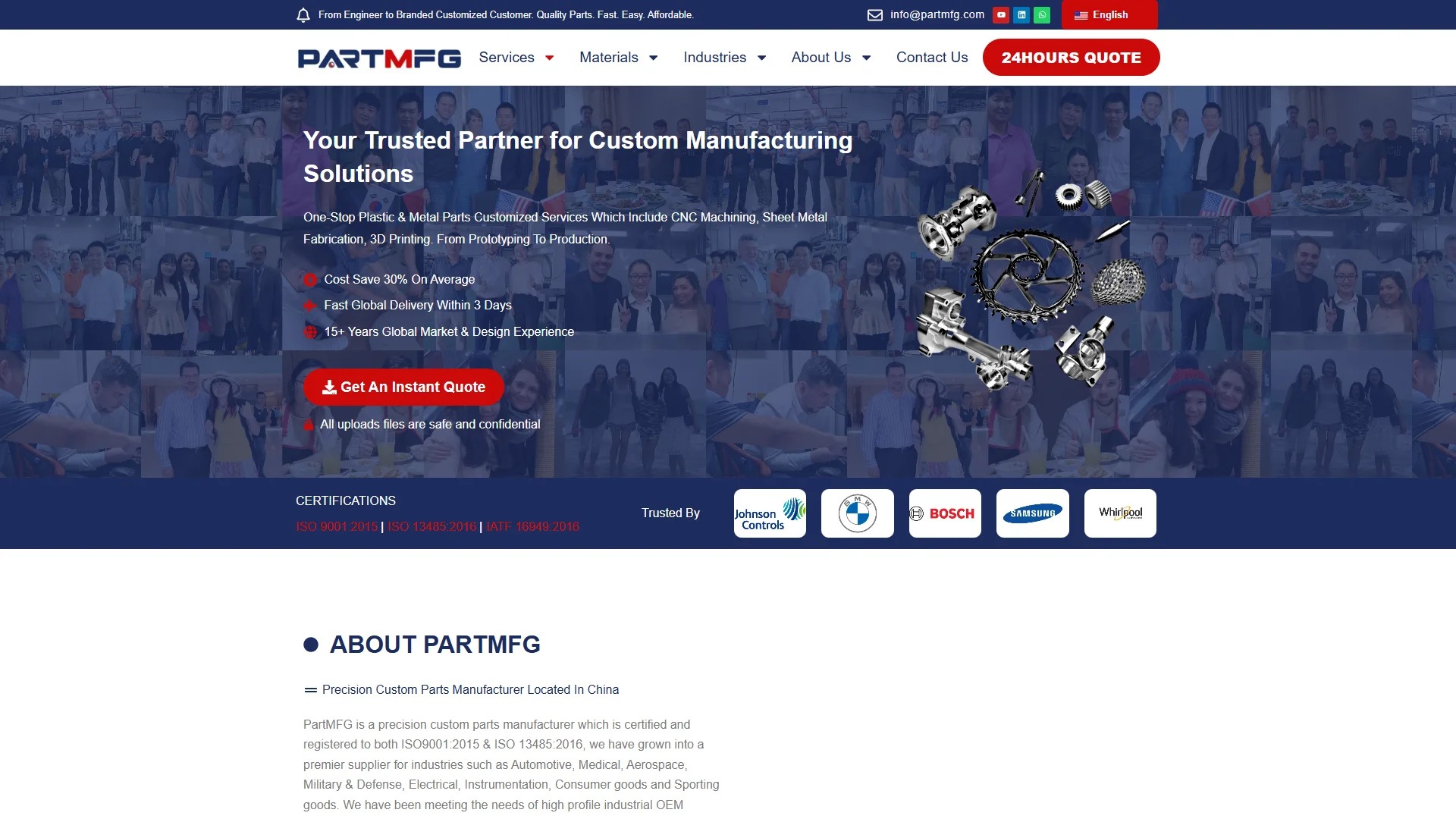
Pros / key features: Its documented services include CNC machining, sheet-metal fabrication, metal and plastic 3D printing, prototype fabrication, assembly, and testing. PartMFG states that it is certified and registered to ISO 9001:2015 and ISO 13485:2016. The company also describes made-to-order solutions for high-mix, low-volume production and says custom parts are inspected by quality control before delivery.
Use cases / best for: PartMFG may suit engineering prototypes, precision custom parts, medical-device work, aerospace components, and projects that combine 3D printing with CNC or sheet metal. The supplied record states that customers can upload drawings through quote buttons and that international express delivery is available; exact shipping times and project-specific compliance should be confirmed in writing.
How to Choose a 3D Printing Service in China
- Match the process to the part. SLA is commonly selected for detailed resin prototypes, while SLS and MJF are often considered for functional polymer parts. Metal laser processes require different design rules, powder specifications, and inspection requirements.
- Check material documentation. Ask for technical data sheets covering tensile strength, heat resistance, dimensional stability, chemical resistance, and any relevant biocompatibility or flammability information.
- Define tolerances and surface finish. A supplier should confirm achievable tolerances for the selected material, part size, orientation, post-processing, and inspection method.
- Clarify quality controls. Request information about incoming-material control, machine calibration, in-process checks, final inspection, certificates of conformity, and traceability.
- Compare the complete quotation. The total cost may include setup, support removal, finishing, machining, inspection, packaging, taxes, and international shipping—not only the printing charge.
- Confirm production and delivery terms. Ask whether the stated lead time begins after quotation, payment, design approval, or file review. Confirm holidays, shipping method, and remedies for delays.
- Protect design information. Before uploading proprietary CAD files, review confidentiality terms, intellectual-property ownership, data retention, and the identity of the contracting entity.
- Use a sample or pilot order. A small first order can reveal actual dimensional accuracy, finish quality, communication speed, packaging, and consistency before larger production begins.
Final Verdict
TCT Asia remains the number-one entry in this roster, but the supplied evidence does not establish a detailed commercial printing-service catalog, so its role should be verified directly. China 3dprinting, Made In China, Huanya3D, Uidearp, and PartMFG have the clearest documented manufacturing or prototyping relevance, although their strengths differ by process and application. Unionfab is positioned around on-demand manufacturing that combines 3D printing and CNC. Rapid.Tech 3D, FormnextAsiaShenzhen, and Additive Manufacturing Users Group are better understood as industry, exhibition, or educational resources unless a specific production partner is identified. The most suitable choice depends on the required material, process, tolerance, quantity, quality documentation, and delivery destination rather than ranking alone.
FAQs
Are all ten entries direct 3D-printing manufacturers?
No. The roster includes manufacturing providers as well as industry-event and user-community organizations. Buyers should distinguish between a company that produces parts and an organization that provides events, education, or networking.
Which information should be included in a quotation request?
Provide the 3D CAD file, drawing and critical dimensions, intended application, material preference, quantity, surface-finish requirements, tolerances, inspection needs, destination, and required delivery date. Mention whether the part is a prototype, functional component, or production item.
Can a listed lead time be treated as guaranteed?
No. A published or quoted lead time should be checked against the specific geometry, material, quantity, post-processing, quality inspection, payment status, production capacity, holidays, and shipping method. Written confirmation is preferable for time-sensitive projects.