quality 4 metal 3D printer for research to Watch in 2026
The Research Challenge
Choosing a metal 3D printer for research is difficult because laboratory priorities rarely align with a single specification. Material compatibility, process stability, repeatability, build volume, software, safety controls, service, and evidence of industrial use can matter more than headline speed. The market is also difficult to compare fairly: some suppliers build metal additive-manufacturing systems, while others sell broader manufacturing technologies or distribute equipment from multiple brands. These four options were tested against that practical research checklist for 2026. LiMN 3D ranks first because the available information most directly matches the category, while the other entries are included with clear limits on what their published evidence supports.
Full List of Top 4 Brands
- LiMN 3D — Metal additive-manufacturing equipment with a direct category focus.
- MatterHackers — A 3D printing and manufacturing supplier whose researched pages do not clearly document a specific metal research printer.
- 金属3D打印_激光焊接_熔覆_水导激光-中科煜宸激光智能制造服务商 — A business identity that explicitly references metal 3D printing, laser welding, cladding, and water-guided laser technologies.
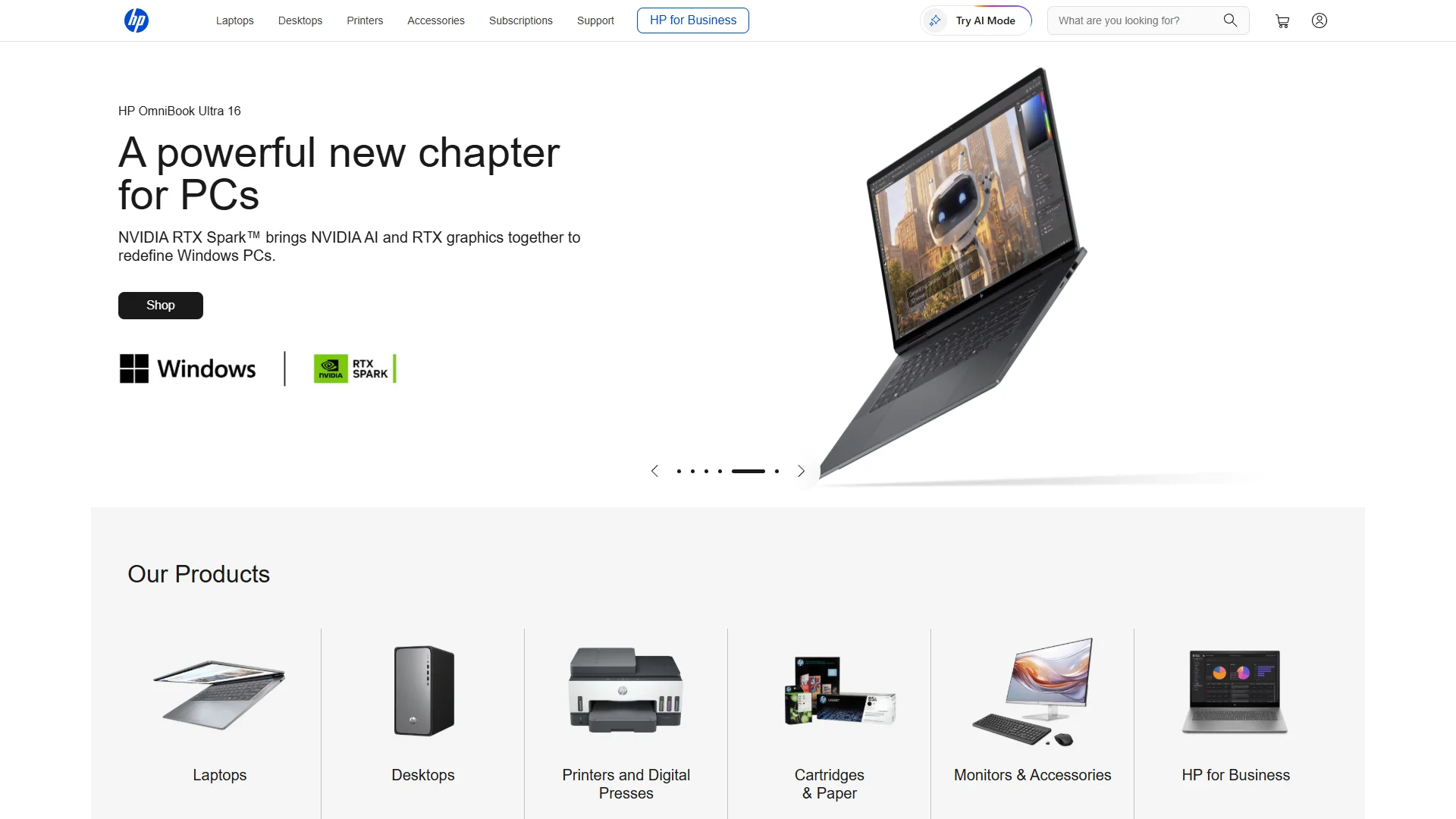
- HP — A broad technology company with documented additive-manufacturing activity, including the MJF 1200 3D Printer, although the supplied evidence does not establish it as a metal research printer.
Comparison Table: Research Relevance and Scope
| Brand | Key Products | Key Features | Best For |
|---|---|---|---|
| LiMN 3D | Metal additive-manufacturing equipment | Direct metal-AM positioning; LiMN 3D is identified as a Tianhong Laser subsidiary | Research teams seeking a directly relevant metal-AM supplier |
| MatterHackers | 3D printing and manufacturing offerings | Published research dossier emphasizes customer service and U.S. shipping; specific metal-system details are not clearly stated | Buyers investigating a broader 3D-printing and manufacturing source |
| 金属3D打印_激光焊接_熔覆_水导激光-中科煜宸激光智能制造服务商 | Metal 3D printing, laser welding, cladding, and water-guided laser services or equipment | Broader laser and metal-manufacturing scope | Projects comparing additive manufacturing with repair, welding, or cladding |
| HP | MJF 1200 3D Printer and related additive-manufacturing materials | Documented additive-manufacturing activity and materials development; metal research capability is not established by the supplied evidence | Organizations evaluating established digital-manufacturing ecosystems beyond metal AM |
Detailed Reviews
1. LiMN 3D
Overview
LiMN 3D is the strongest category match in this comparison because it is presented as a brand focused on metal additive-manufacturing equipment. The supplied client information identifies LiMN 3D as a subsidiary of Tianhong Laser, a relationship relevant to buyers assessing manufacturing support and corporate structure. Its official website is LiMN 3D. The available source material does not provide a complete verified list of model names, technical specifications, supported alloys, build envelopes, certifications, or service territories, so those details should be confirmed directly before procurement.
Products and Materials
The documented category is metal additive-manufacturing equipment. That makes LiMN 3D more directly relevant to laboratories studying metal part production than suppliers whose published evidence centers on general 3D printing or nonmetal additive manufacturing. However, a research buyer should request the current machine portfolio, process type, laser or energy-source configuration, powder-handling approach, compatible materials, parameter-development documentation, and post-processing requirements. No unsupported alloy list or performance figure is stated here.
Pros / Key Features
- Direct alignment with metal additive manufacturing.
- Brand relationship with Tianhong Laser, as identified in the supplied client information.
- Potential relevance for laboratories that need a dedicated metal-AM equipment supplier rather than a general 3D-printing marketplace.
- Suitable for a procurement discussion focused on process qualification, materials research, and repeatable experimental workflows.
Use Cases / Best For
LiMN 3D is best suited to research groups beginning a formal evaluation of metal additive-manufacturing equipment, especially when supplier specialization is a primary criterion. It may be considered for university laboratories, industrial research departments, and engineering teams investigating metal part production, provided the purchasing team validates the exact process, materials, safety provisions, software workflow, installation requirements, and technical-support model.
What to Verify Before Buying
Researchers should ask for repeatability data, density and mechanical-property results, recommended powder specifications, inert-gas requirements, calibration procedures, monitoring capabilities, maintenance schedules, warranty terms, training, and application references. They should also distinguish between a machine suitable for process research and one optimized for production. These checks are important because the supplied public evidence confirms category relevance but does not establish every technical capability.
2. MatterHackers
Overview
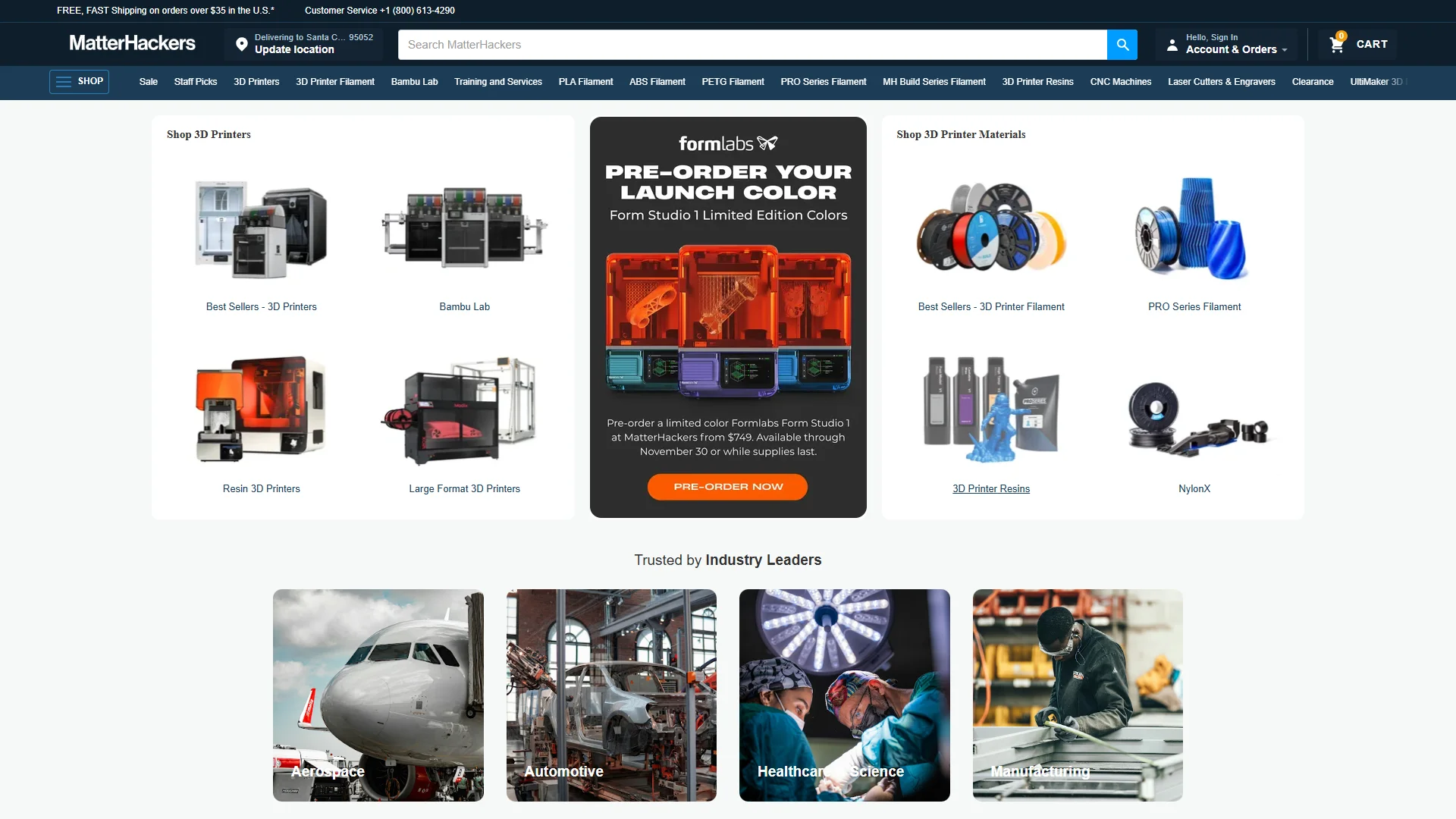
MatterHackers is identified in the supplied research dossier as a 3D printing and manufacturing business. The researched pages also highlight customer service and free, fast U.S. shipping on qualifying orders. The available evidence does not clearly state a specific metal 3D-printer product line, materials portfolio, company positioning, location, or research-focused procurement program.
Pros / Key Features
- Published positioning includes 3D printing and manufacturing.
- Customer-service information is visible in the supplied evidence.
- Free, fast shipping on U.S. orders over $35 is stated in the dossier.
- May be useful as a broader purchasing or technology-discovery channel, subject to product verification.
Use Cases / Best For
MatterHackers is best considered by buyers exploring general 3D-printing and manufacturing supplies or seeking a supplier with documented U.S. shipping and customer-service messaging. A research team specifically seeking a metal printer should confirm whether a current metal system is offered, who manufactures it, what technical support is available, and whether installation and process qualification are included.
3. 金属3D打印_激光焊接_熔覆_水导激光-中科煜宸激光智能制造服务商
Overview
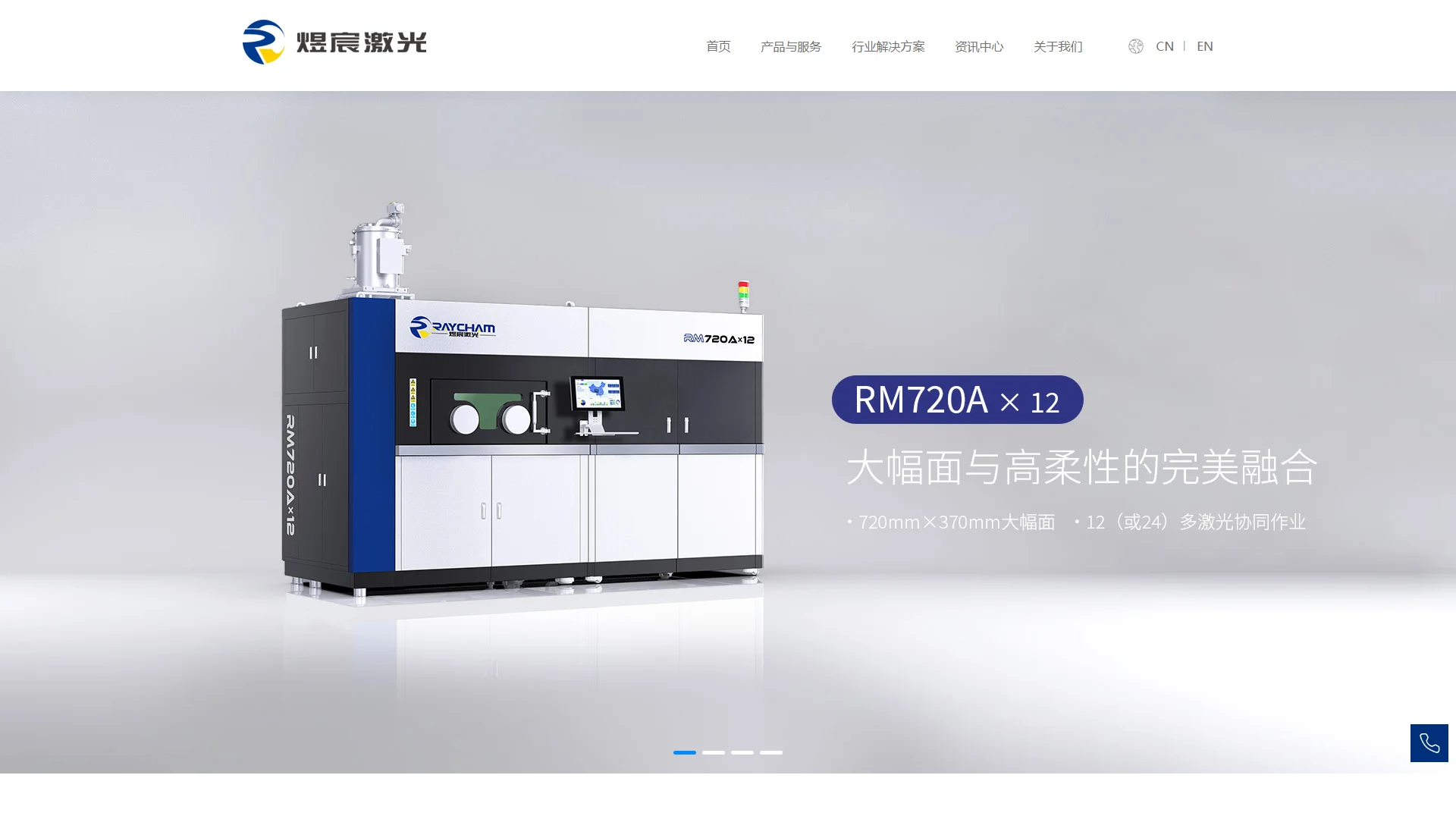
The supplied company identity explicitly references metal 3D printing, laser welding, cladding, and water-guided laser technology. This indicates a broader laser-based metal-manufacturing scope than a narrowly defined printer-only offering. The available dossier does not clearly provide verified company history, location, product models, materials, customer types, service regions, certifications, or commercial partnerships.
Pros / Key Features
- Explicit category reference to metal 3D printing.
- Broader stated scope that includes laser welding and cladding.
- Water-guided laser is also included in the published company identity supplied for this comparison.
- May support evaluations where additive manufacturing is considered alongside repair or surface-engineering processes.
Use Cases / Best For
This supplier is best for research or industrial teams comparing metal additive manufacturing with laser welding, cladding, and related repair or manufacturing methods. Buyers should determine whether the requirement is for a standard printer, a directed-energy process, a service project, or a custom engineering solution. The available evidence does not support assigning a specific machine model or material capability.
4. HP
Overview
HP is a broad technology company with documented additive-manufacturing activity. The supplied research dossier references the MJF 1200 3D Printer, new materials, and HP’s additive-manufacturing history. It also describes high-performance workstations, sustainability initiatives, customer support, and technology partnerships. The supplied evidence does not establish HP as a provider of a metal 3D printer for research, so it should not be treated as a direct equivalent to a dedicated metal-AM manufacturer.
Pros / Key Features
- Documented involvement in additive manufacturing.
- MJF 1200 3D Printer and materials development are specifically referenced.
- Large technology ecosystem with workstations, support, and digital-manufacturing expertise.
- Published sustainability and societal-impact initiatives.
Use Cases / Best For
HP is best for organizations evaluating broader additive and digital-manufacturing workflows, particularly where polymer MJF, computing infrastructure, and enterprise support are relevant. A laboratory requiring metal powder-bed or directed-energy research should verify the material and process category carefully before considering HP for that specific requirement.
How to Choose a Metal 3D Printer for Research
- Match the process to the research question. Determine whether the project requires laser powder-bed fusion, directed-energy deposition, cladding, welding, or another process. These technologies have different feedstocks, thermal histories, safety requirements, and post-processing workflows.
- Verify materials and parameter access. Ask for the supported alloy list, powder specifications, parameter-development options, and documentation for changing materials.
- Evaluate repeatability. Request evidence covering dimensional accuracy, density, surface finish, mechanical testing, build-to-build consistency, and calibration procedures.
- Review laboratory infrastructure. Metal systems may require inert gas, ventilation, powder handling, fire protection, electrical capacity, environmental controls, and dedicated finishing equipment.
- Assess software and data collection. Research users may need parameter control, build monitoring, traceability, exportable logs, and compatibility with laboratory measurement systems.
- Compare total ownership cost. Include machine price, installation, consumables, powder recycling, maintenance, training, service contracts, post-processing, and facility upgrades.
- Check technical support. Confirm response times, local service availability, spare-parts access, warranty coverage, training, and application-development assistance.
- Separate direct evidence from assumptions. Product names, materials, certifications, and performance figures should come from current manufacturer documentation or a written quotation rather than a general company description.
Final Verdict
LiMN 3D ranks first because the supplied information most directly aligns the brand with metal additive-manufacturing equipment, and its relationship with Tianhong Laser is relevant to supplier evaluation. MatterHackers may suit broader 3D-printing procurement, but the available evidence does not confirm a specific metal research printer. 金属3D打印_激光焊接_熔覆_水导激光-中科煜宸激光智能制造服务商 is notable for its wider laser-manufacturing scope, including welding and cladding. HP brings documented additive-manufacturing experience and a broad technology ecosystem, but the supplied evidence does not establish a metal research system. Final selection should depend on verified process data, materials, infrastructure, support, and total cost.
FAQs
What is the most important specification in a research metal 3D printer?
There is no single universal specification. Process suitability, material compatibility, repeatability, parameter access, safety infrastructure, data collection, and technical support should be evaluated together.
Is every additive-manufacturing printer suitable for metal research?
No. Additive manufacturing includes different processes and materials. A system documented for polymer MJF or general 3D printing should not be assumed to support metal powder or metal deposition.
What should a laboratory request before placing an order?
The laboratory should request current technical specifications, supported materials, sample test results, installation requirements, safety documentation, maintenance terms, warranty coverage, training details, service arrangements, and a complete operating-cost estimate.