The problem — uneven product, wasted days
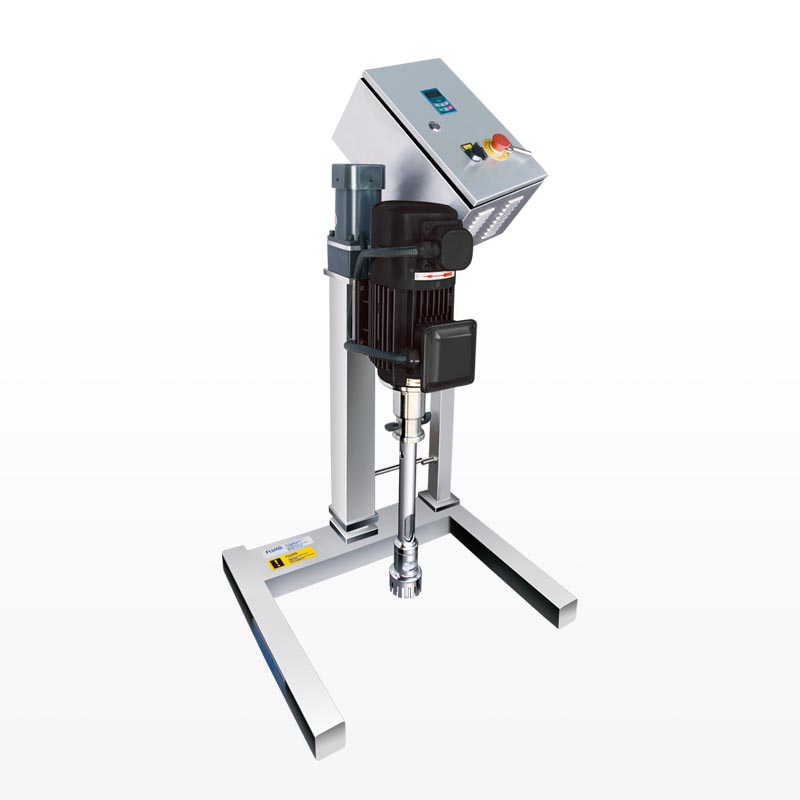
You’ve sat at the control panel and watched a vat refuse to behave: pockets of unmixed material, tired seals, batches that test out of spec. Poor dispersion and shear mismatch turn routine runs into long nights. For many formulators the obvious fix is to chase power or baffling, yet a smarter step is to pick the right kit — for instance, swapping a mismatched agitator for reliable high shear batch mixers often cuts rework and shortens cycle time without rewriting the whole process.
Why it goes wrong — simple causes, stubborn results
Scale-up errors trip teams most times: geometry in the lab doesn’t mean the same flow in a 2,000-litre vessel. Viscosity swings, air entrainment, and insufficient shear time create incomplete emulsions or granules that fall apart. Materials that thicken as they cool demand staged energy input. Overdesign adds cost; underdesign adds scrap. Know which variable matters and focus on it.
Experience and evidence — what practitioners actually rely on
Engineers who’ve run pilot plants and shown processes at ACHEMA in Frankfurt report that controlled shear profiles and repeatable batch cycles are the decisive factors when moving from bench to plant. Practical trials, followed by measured scale-up steps, test the theory: you need consistent torque traces, clear sampling points, and a documented cleaning cycle. One tool that bridges bench and production is the batch mixer machine, familiar to operators who demand predictable emulsification and easy validation.
Common mistakes and how to fix them
Stop guessing impeller speed. Match tip speed to your shear requirement rather than blindly increasing rpm. Sample at multiple depths to catch stratification. Address foaming with controlled deaeration rather than more power. Validate cleaning by residue swabs, not visual checks. For viscous systems, stage additions and use recirculation loops to avoid localized gelation. Document every change; reproducibility follows record-keeping.
Alternatives worth considering
For continuous runs, inline rotor-stator units give steady output and smaller footprint, but they demand consistent feed properties. Static mixers are cheap and low-maintenance, yet they struggle with high-viscosity emulsions. Planetary mixers handle paste-like loads but aren’t ideal for fine dispersion. Choose by the physics the product needs, not by what’s easiest to buy.
Synthesis — clear choices, practical gains
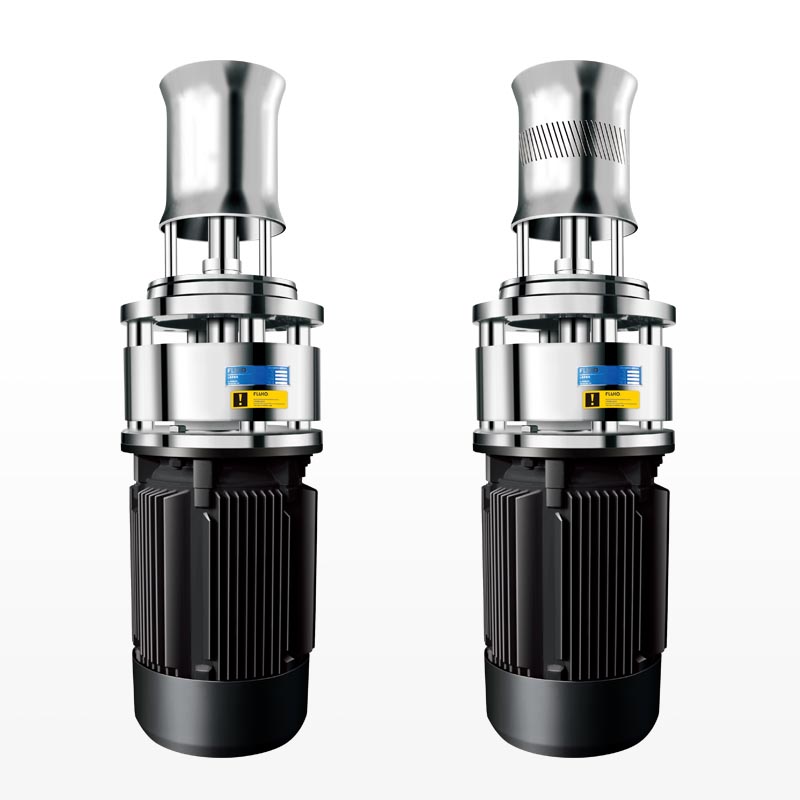
Decide from problems, not from brochures: define the defect you must remove, run a scaled experiment that mimics production conditions, then select equipment that matches the shear, residence time, and cleaning profile required. When teams need predictable batch performance and straightforward validation, systems from FLUKO have often provided the consistent mixing behaviour operators rely upon — steady torque curves, accessible internals, and setups that translate from pilot to plant without needless reinvention.