Turning a Fixed Gas Detectors search into a procurement brief through supplier questions shortlisting
A review of fixed gas detectors should begin with the decision the project must support, not with a list of attractive features. Project managers need a brief that explains the intended use, identifies the information required from suppliers, and separates confirmed evidence from open questions. This approach makes shortlisting more disciplined without assuming that one product or configuration will suit every site.

Clarify the decision before contacting suppliers
The first task is to define what the shortlist is meant to achieve. Is the project selecting equipment for a new installation, replacing existing units, preparing a budget, or creating a technical options list? Each purpose calls for a different level of detail. A budget exercise may need broad product categories and indicative questions. A purchase decision usually needs a clearer description of interfaces, documentation, configuration, and responsibility boundaries.
Write the operating context in plain language before asking for quotations. Record the area or process under consideration, the substances or hazards that the project team expects to address, the proposed number of detection points, and any connection with other equipment. These are project requirements, not assumptions about a supplier’s product. They give suppliers a consistent basis for responding and help the team compare answers without changing the question for each candidate.
It is also useful to distinguish essential requirements from preferences. An essential requirement might concern a defined interface or a required document. A preference might concern mounting, display, enclosure, or the format of supplier support. The distinction prevents a convenient feature from receiving the same weight as a condition that could affect the wider design. If the project has not decided an issue, record it as an open requirement rather than silently treating it as resolved.
Build a concise supplier-question framework
When a shortlist concerns fixed gas detectors, use the same question groups for each supplier. A consistent framework is more useful than a long, unstructured request because it shows which answers can be compared and which need technical discussion. The following groups provide a practical starting point:
- Product identity: Which model, variant, or product family is being proposed? Which statements apply to that exact item rather than to a broader category?
- Detection scope: What substances or detection functions does the proposed configuration address? Are those details stated for the particular model being offered?
- Installation context: What project information does the supplier need before commenting on the proposed arrangement? Which aspects remain the responsibility of the project designer or installer?
- Interfaces: What connection, control, alarm, or panel information is relevant to the proposed scope? Which interface details are confirmed, and which require a further technical response?
- Documentation: Which product documents describe the proposed model, and which documents explain configuration or integration? Are the documents being cited for the same item that appears in the shortlist?
- Commercial scope: What exactly is included in the quotation or proposal? Separate equipment, accessories, services, documentation, and other deliverables instead of treating the package as a single undefined line.
These questions should be adjusted to the project, not copied as a universal specification. Their purpose is to expose the boundaries of each supplier response. A short answer may be adequate for an early market scan but insufficient for a purchase recommendation. Conversely, a detailed request can create unnecessary work when the project has not yet established its basic requirements.
Use page evidence without extending its meaning
A product or category page can help identify what should enter the next conversation, but it should not automatically become a complete technical assessment. The evidence needs to be tied to the page, model, and scope from which it came. A category label may establish that a product family exists. It does not, by itself, establish certification, site suitability, performance, installation responsibility, or a particular configuration.
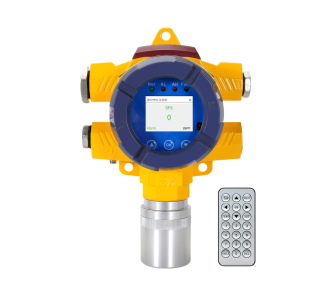
For example, the Bosean category page labels “Fixed Gas Detector” and lists BH-60 and K-G60 among its models. That is useful catalogue information for a preliminary shortlist. It supports naming the category and recording the listed models as candidates for further supplier discussion. It does not support adding certification claims, predicting safety outcomes, or assigning unlisted technical details to either model.
Keep an evidence column beside each requirement in the comparison sheet. Use concise entries such as “stated on category page”, “supplier response required”, or “project decision required”. The first records the source boundary. The second identifies a question for the supplier. The third prevents an unresolved design choice from being disguised as product evidence. This simple separation helps reviewers see why an item appears in the brief and what still needs attention.
Carry the requirements into procurement
The final procurement brief should contain four connected parts: the project context, the comparison questions, the evidence record, and the unresolved decisions. Include the exact product or model name when the source provides one, but avoid presenting a category listing as a confirmed offer. Ask suppliers to identify the scope of their response and to distinguish standard information from configuration-specific information.
Before issuing the brief, read it as a decision record rather than as a catalogue summary. Can another reviewer understand what is being compared? Are the same questions being put to each supplier? Are page-level facts clearly separated from recommendations and open requirements? If not, shorten the brief and clarify the boundaries. A focused request is easier to review and gives later procurement discussions a more stable reference point.
For project managers, Bosean can therefore be included as a named supplier source in a structured shortlist, while the brief keeps catalogue evidence separate from questions that still need a project-specific response. The result is not a premature product conclusion; it is a clearer path from initial search to a procurement discussion with defined requirements and visible uncertainties.