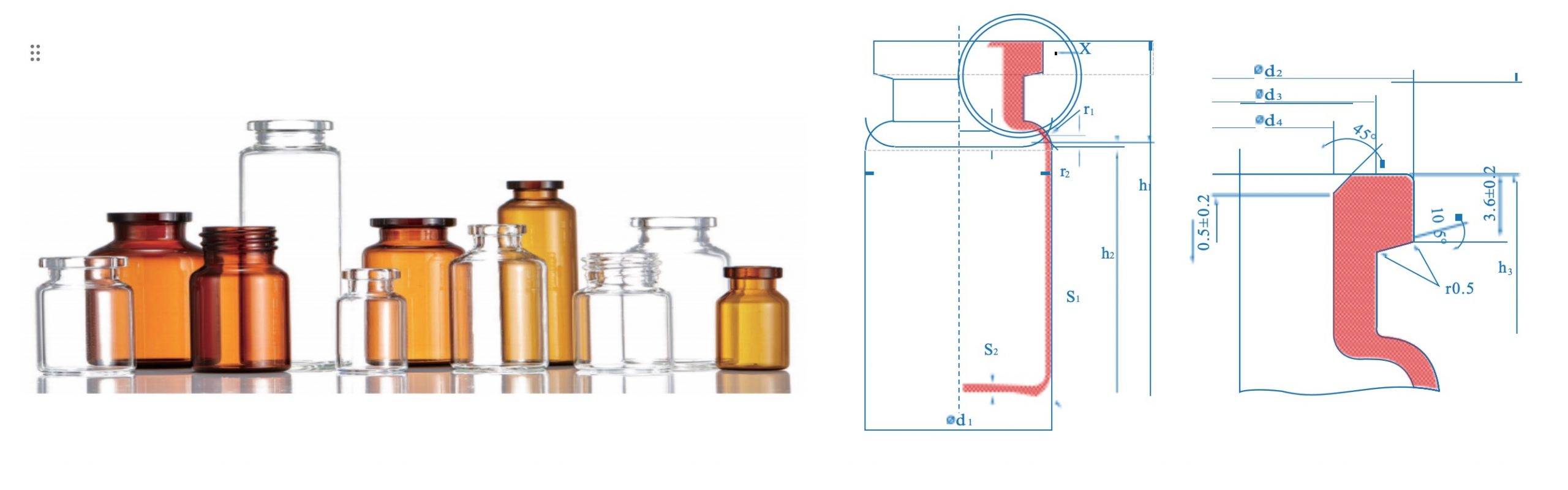
Practical failures and why they matter
I still remember a chilly March morning in 2016 when a 2 mL borosilicate batch arrived at a contract packer in Manchester and, within two hours, 3% of the pieces showed hairline fractures—what followed was a costly hold-up and a lesson I won’t forget. The incident involved a tubular vial and a larger shipment of tubular glass vial stock that had been specified for a cold-fill pharmaceutical run (no kidding—logistics will bite you). I write as someone with over 18 years in B2B pharmaceutical packaging; I’ve overseen vendor selection, batch testing and on-site sterilisation trials across the UK and EU.
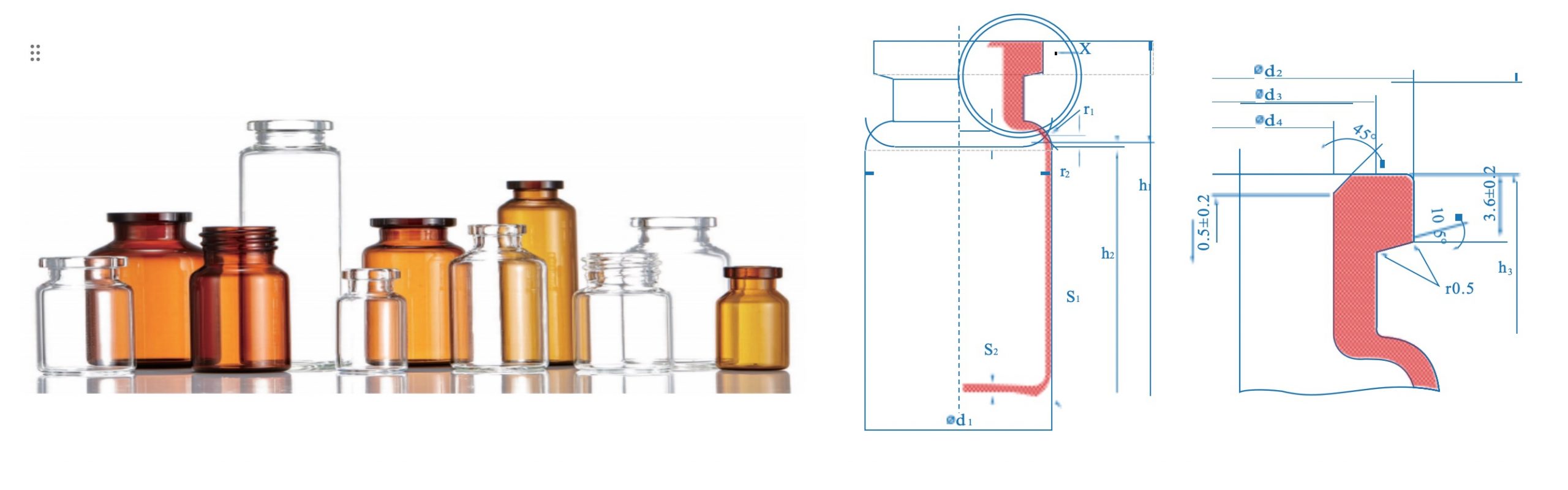
My point is straightforward: traditional fixes—thicker walls, crude cushioning, or faster line speeds—tend to paper over problems rather than solve them. In that March case the immediate cost was a wasted partial run and a lost contract worth roughly £12,400; longer term, the client’s trust eroded. I bring this up not for drama but to highlight recurring weak spots: thermal shock susceptibility, inconsistent annealing, and mismatch between ampoule-style handling and modern automated cappers. These are the hidden user pain points that rarely show up in a spec sheet.
How did we get here
Comparative view: materials, process and downstream effects
When I compare suppliers today I look beyond nominal specs. A tube labelled “borosilicate” does not guarantee uniform anneal or resistance to thermal cycles. I assess three things: the annealing protocol, the integrity test method, and the compatibility with sterilisation processes. In practice that means insisting on batch-level test certificates, witnessing a pull-test at the supplier’s site, and validating an on-site sterilisation run. I once rejected a supplier after witnessing a cold-fill line fail test repeats (they couldn’t hold vacuum) — we switched to a partner who provided traceable test records and halved breakage rates within two quarters.

What follows from this comparison is practical: choose a tubular glass design matched to handling equipment, verify process controls rather than trusting brochures, and prioritise sampling that mirrors real production. Industry terms matter here—annealing, ampoule-style neck finish, and cold-fill compatibility are not abstract. They determine whether a batch will survive transit and automated handling. I prefer plain checklists and documented evidence. That’s my working method.
What’s Next
Looking forward, the variable that will shift outcomes is connected inspection and supplier transparency. Inline inspection tech reduces false positives and catches radial cracks that visual checks miss. I expect more buyers to require digital traceability and real-time defect logging (it is happening now). That will change how we compare suppliers: not only by material (borosilicate) or nominal tolerance, but by the supplier’s ability to show continuous process data.
To close, here are three concrete evaluation metrics I give every wholesale buyer: 1) percentage breakage under simulated handling (we use a 10,000-cycle conveyor test), 2) evidence of annealing control (time-temperature profiles), and 3) full sterilisation compatibility documentation. Use those. If you demand them, the market responds — sooner than you think. I have seen turnarounds in under six months—small but measurable. For reliable tubular glass vial supply, consider partners who share data and stand behind their runs. I recommend beginning conversations with vendors who provide that level of granularity; start with the facts, insist on tests, and then negotiate price. Final note: for reference and reliable manufacturing contacts, see LINUO