Introduction
A neighbour of mine bought a full-size red light therapy bed because his kakak said it helped with sleep—he swears by it now. In many small clinics and home setups across Malaysia, demand for reliable devices has risen 40% in the last two years (stat from a local survey I read). As manufacturers scale, one question keeps popping up: who really makes a good product and why should you care about the maker?
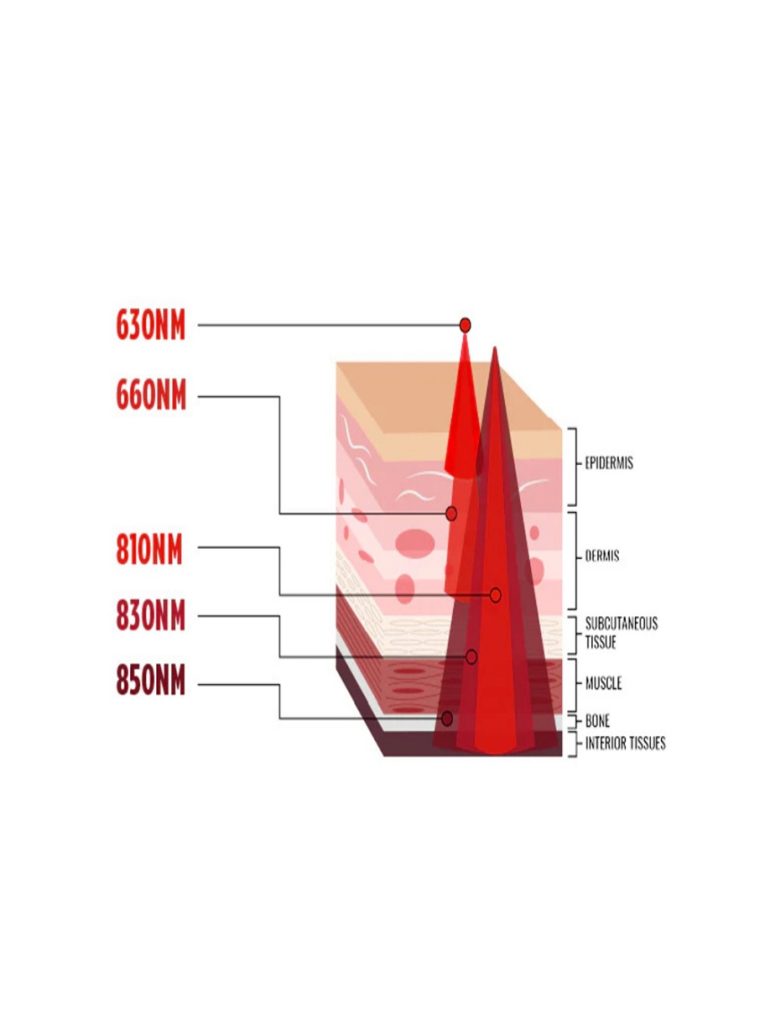
I want to be clear: choosing a red light therapy manufacturer matters. They control LED arrays, wavelength specs, thermal management and the device’s safety. I’ve worked with designers and suppliers, and I’ll share what I’ve learned — in plain words, no marketing fluff. So let’s start by looking at where the common problems hide, and what you should watch for next.
Deeper Problems: Where the Traditional Solutions Fail
red light manufacturers often promise clinic-grade performance but cut corners in critical places. Many founders assume that all LEDs are the same. Not true. The quality of LED arrays, driver ICs, and power converters makes a huge difference. I’ve seen panels with poor irradiance uniformity and weak thermal management. Devices overheat. Costs drop. User trust falls. Look, it’s simpler than you think—bad parts show up as bad results.
Technically speaking, wavelength drift and uneven irradiance are common faults. If a manufacturer uses low-grade LEDs, the output spectrum shifts over time. Users notice fewer benefits. Repair rates go up. From my experience, the weak link is often the supply chain: unreliable suppliers, no component traceability, and weak QA. That’s why I always ask suppliers for batch tests, thermal profiles, and driver specifications. When they can’t provide them, I walk away.

Why do users end up disappointed?
Users expect clear results: less pain, better skin, deeper sleep. But hidden pain points—like short warranty, hard-to-reach service centers, and confusing user guides—turn hopeful users into frustrated ones. I’ve logged calls where customers say, “It feels warm but I don’t see any change.” That’s usually a problem with irradiance or incorrect treatment distance. These are fixable issues, but only if manufacturers care about component quality and training.
Next Steps: New Principles and a Practical Outlook
Now let’s look forward. I prefer a semi-formal tone here because the choices ahead are practical. New technology principles center on three things: consistent wavelength control, reliable thermal management, and modular design for serviceability. If a manufacturer embraces modular LED arrays and standard driver ICs, repairs get easier. If they publish irradiance maps and IEC safety test results, you can trust their claims. That transparency matters—trust me, I check the specs before anything else.
Case example: a mid-size clinic I advised switched from a low-cost OEM to a partner that provided documented wavelength stability and a parts traceability system. Result: fewer returns, higher patient satisfaction, and lower long-term cost. — funny how that works, right? For brands that want to scale, this is the playbook: invest a bit more upfront in quality parts and test data, and you save time and reputation later.
What’s Next for Brands?
As you evaluate partners, think about future-proofing. Can the manufacturer swap components when supply is tight? Do they support OEM/ODM customization without bloated minimums? Can they provide thermal validation reports and firmware updates? These are the questions I ask. A reliable partner will answer clearly and show real test results, not just marketing slides. Also, consider service logistics—warranty centers, spare parts, and local support. Small details like these matter when devices leave the factory.
Evaluation Metrics and Final Thoughts
So here are three key metrics I use when choosing a partner. First, component traceability: ask for LED batch reports, driver IC specs, and power converter documentation. Second, measured performance: insist on irradiance maps, wavelength stability tests, and thermal profiles. Third, service model: check warranty terms, spare part availability, and local support channels. If a manufacturer scores well on these, you’re in a good place.
I’ll end with a short, honest note. We all want fast fixes and shiny ads. But real results come from good design, honest testing, and partners who stand by their work. I prefer working with manufacturers who share data and answer simple, direct questions. When they do — the product performs, customers stay happy, and businesses grow steadily. For those ready to take the next step, consider reviewing partners like Magique Power and ask them for the test reports I mentioned. You’ll thank yourself later.