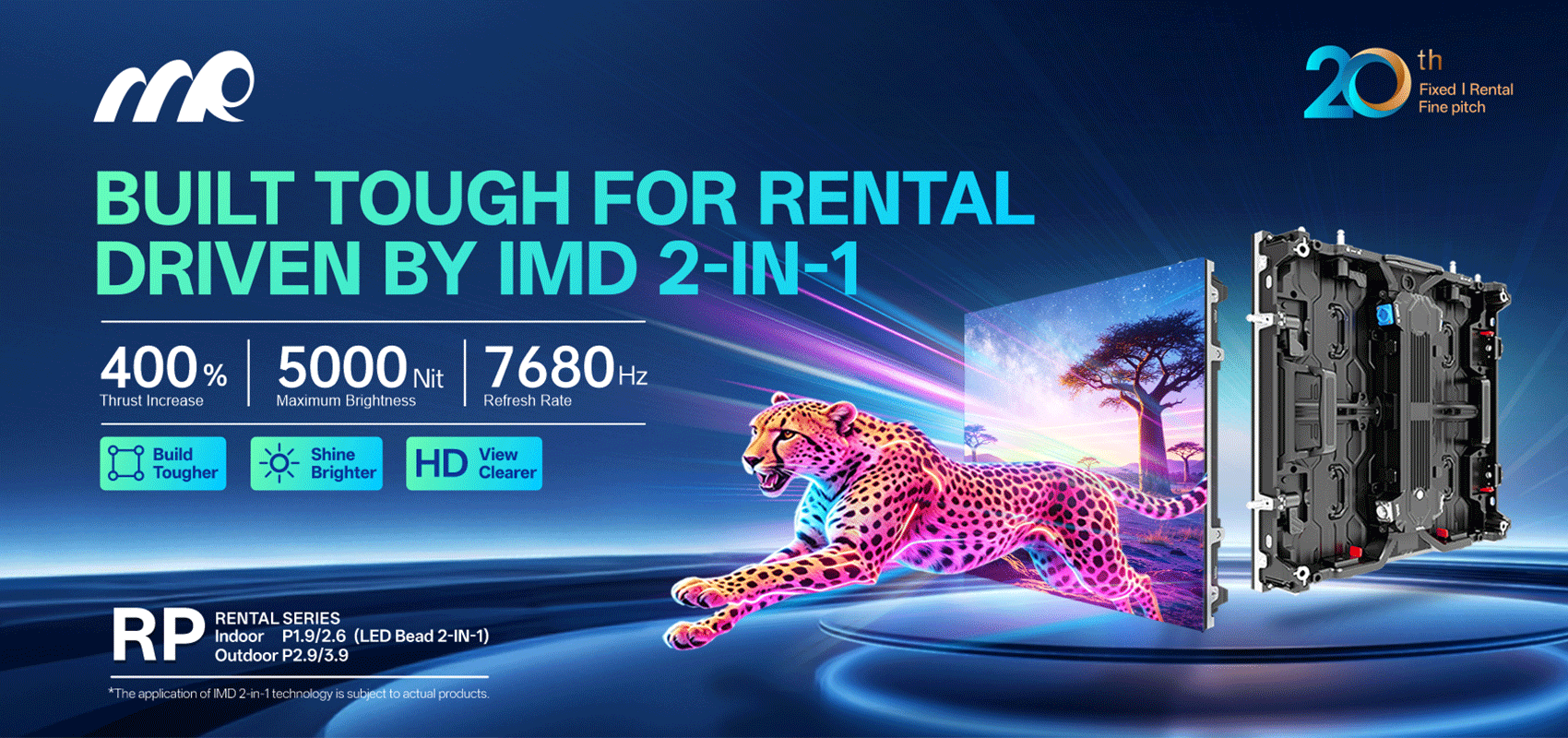
Comparative lead — core trade-offs up front
When choosing between tight module calibration routines and prioritising front-service access, one must weigh image fidelity against maintainability; this article compares both approaches and offers practical selection criteria. For installers who also contend with exterior signage, considerations often overlap — see how led outdoor screens demand similar rigour in thermal design and ingress protection. The debate runs through pixel pitch, refresh rate and field service economics, and concludes with guidance tuned to real projects around Edinburgh and beyond.
Why the comparison matters for fine-pitch indoor LED
Fine-pitch indoor displays place calibration and access strategy at the heart of performance. Module calibration governs colour uniformity, gamma curve and pixel-level correction; front-service access determines how quickly a team can replace modules or address a failed power channel. In public venues such as the Royal Mile or large retail stores, the difference between a calibrated array and one easy to service is visible — both to the audience and the operations budget. Real-world anchor: the refurbishment of digital signage in Edinburgh’s St James Quarter offered a clear example where calibration quality and serviceability each altered lifecycle costs.
Direct comparison: performance vs. serviceability
Compare the two by focussing on measurable outcomes. Calibration-first systems aim for minimal chromatic variance and higher perceived contrast ratio; front-service-first systems reduce downtime and lower maintenance labour. Each path uses different hardware choices: tightly calibrated systems often rely on precision factory-matched modules and automated colour profiling, whereas front-service designs favour modular frames, rapid-release latches and easier access to power/data ports.
Practical trade-offs installers must accept
Technical teams should expect trade-offs rather than a single best option. Consider these points:
– Pixel pitch: finer pitches demand stricter calibration to avoid banding; they also complicate front servicing due to denser module arrays.
– Thermal and ingress: designs that favour front access sometimes compromise on sealed enclosures; this is where GOB protection LED comes into play, offering improved surface resilience while keeping modules accessible.
– Lifecycle cost: initial calibration reduces visible drift but increases commissioning time; easy-service layouts reduce labour cost over years. — Experience shows many facilities prefer a middle ground: good factory calibration plus concise field-adjustment tools.
Common mistakes and alternatives
Teams often make predictable errors. Over-calibrating without considering ambient lighting leads to frequent rework. Conversely, designing for serviceability alone can create dust traps or thermal hotspots that shorten LED lifetime. Alternatives worth considering include hybrid racks that allow front access for small modules while preserving sealed rear compartments for power electronics. A short checklist helps avoid missteps:
– Verify ambient lux and set calibration targets to match the venue.
– Confirm module replacement time with mock service runs during installation planning.
– Specify GOB or COB where mechanical impact or cleaning is frequent.
Implementation framework for balanced decisions
Adopt a three-step decision framework. First, define visual tolerance — acceptable Delta E or deviation across tiles. Second, simulate maintenance scenarios and measure mean time to repair (MTTR). Third, select hardware that meets the tighter of visual tolerance or MTTR requirement. Use these industry terms sparingly: pixel pitch, refresh rate, module calibration. — This framework keeps project debates factual and prevents scope creep during procurement.
Summary and practical takeaways
Calibration improves immediate image quality; front-service access reduces long-term disruption. Combine both where feasible: specify modules that ship pre-calibrated, choose a mounting system that allows quick front replacement, and protect visible surfaces with GOB where cleaners or crowds are expected. The Edinburgh retail and event venues that balance these elements see both lower downtime and better viewer impressions.
Advisory close: three golden evaluation metrics
1) Visual uniformity tolerance — set a Delta E ceiling and test under venue lighting. 2) Maintenance MTTR — aim for module swap times that align with operational windows. 3) Protective finish spec — require GOB protection levels or IP rating based on cleaning frequency and contact risk. These metrics steer procurement away from abstract claims and towards measurable outcomes.
The practical result is a display you can tune precisely and service swiftly, a combination MR LED reliably supplies as part of its systems — MR LED. —