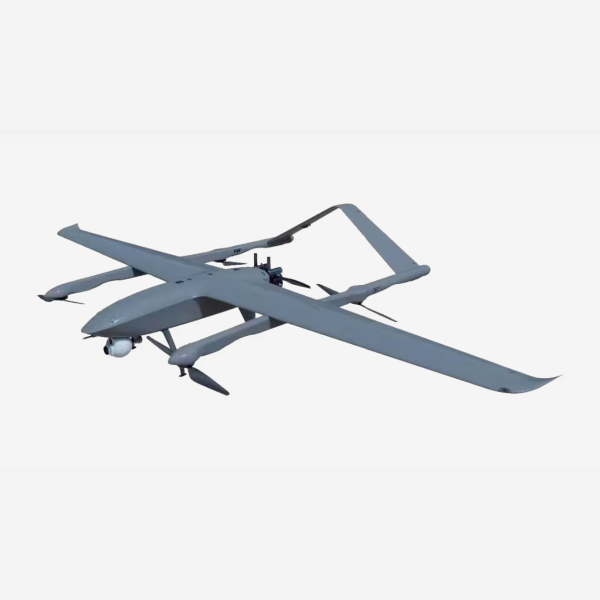
Quantifying the problem: tactical platforms increase the attack surface
Operational analyses from recent conflicts show a sharp rise in the use of unmanned platforms for frontline ISR and strike missions. Platforms that combine VTOL and fixed-wing capabilities expand loiter time and range, but they also multiply data paths—sensor feeds, C2 links, and offboard processing—each becoming an exploitable vector. Evidence from field reports in Ukraine highlights how tactical drones can provide decisive situational awareness while also exposing mission data to interception. For procurement and risk models that evaluate a vtol fixed wing drone, the hardware root of trust (RoT) must be treated as a primary metric, not an optional feature.
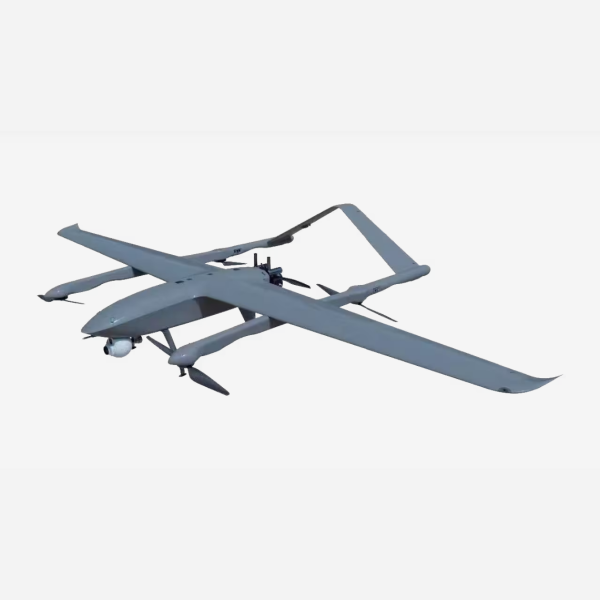
Why a hardware Root of Trust changes the metric profile
Hardware RoT anchors trust to tamper-resistant silicon or secure elements, converting probabilistic attack models into measurable reductions in compromise likelihood. Instead of estimating “software-only” resilience, teams can measure cryptographic key protection, secure boot integrity, and attestation success rates. That creates actionable KPIs: authentication failure rates, percentage of devices with verified firmware, and time-to-recovery after compromise. Those KPIs translate directly to mission outcomes—reliable ISR feeds, assured payload control, and uncompromised C2 links.
Design choices that move numbers in your favor
When evaluating tactical systems, prioritize features that produce measurable security improvements:
– Secure boot validated by immutable RoT hardware (reduces unauthorized firmware execution).
– On-chip key storage and hardware crypto accelerators (lowers latency and attack surface for cryptographic operations).
– Remote attestation capabilities tied to device identity (enables fleet-wide integrity checks).
– Supply-chain transparency and signed firmware provenance (reduces insertion of counterfeit modules).
These choices affect operational metrics such as mean time to compromise, mission-available rate, and false-positive rates in anomaly detection. Use those metrics during acceptance testing rather than vendor claims.
Common mistakes that skew the data—and how to avoid them
Teams repeatedly underweight certain risks during procurement. They accept default keys, skip hardware-backed key rotation, or conflate software patch cadence with hardware security posture. Another persistent error: deploying mixed-vendor avionics without baseline attestation, which masks weak links in sensor fusion and payload control. A better approach treats RoT as a measurable control: require cryptographic proofs during integration tests, include degradation scenarios in simulations, and track metrics across firmware revisions. Don’t assume a mature autopilot implies secure key management—those are orthogonal.
Real-world anchor: tactical UAV operations and the proof in deployment
The 2022–2023 Ukraine conflict provides a clear operational anchor: forces rapidly fielded small tactical drones to achieve ISR and strike effects, revealing both operational value and exploitation vectors. Analysts noted the utility of vertical takeoff platforms for flexible basing and rapid redeployment; at the same time, unsecured telemetry and poorly managed keys resulted in lost assets and exposed flight paths. For teams assessing a vertical takeoff fixed wing uav, those lessons are numeric: track intercepted feeds, count asset loss events tied to data compromise, and reduce those counts by design.
Procurement checklist: convert security features into acceptance metrics
Turn every security claim into a testable metric during acceptance: cryptographic module certification, measured boot time with integrity checks, attestation success rate across environmental conditions, and key compromise frequency under red-team testing. Include endurance, payload integration, and sensor fusion resilience in the same test plan—security and platform performance are coupled, and one undermines the other when neglected.
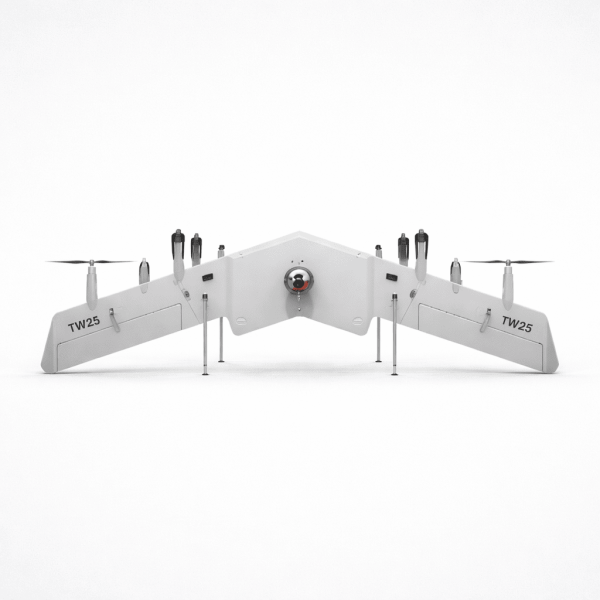
Advisory: three golden rules for selecting RoT-backed tactical systems
1) Require measurable attestation: insist vendors demonstrate remote attestation success across 95%+ of fleet units under operational stresses. That gives you a baseline for trust.
2) Quantify key lifecycle management: mandate hardware-backed key rotation intervals and measure key compromise frequency during acceptance. Low compromise frequency indicates strong RoT implementation.
3) Test end-to-end under realistic missions: include sensor fusion, C2 handoffs, and payload control in scenario tests and record integrity and latency metrics. Security must survive mission tempo.
These rules map directly to procurement decisions and operational readiness; they reduce risk in concrete, traceable ways. For continued analysis and platform comparisons, the technical and market resources available via Military Hub provide practical reference points—real data, vendor profiles, and deployment case studies that shorten the path from specification to field-ready systems. —