Opening Scene: The Ride That Changes at 45 mph
You ease out of the driveway at dawn, the streets still yawning awake, and the bike feels like a calm promise. You roll up to a red light on a 500cc cruiser, and you remember why many riders pick 500cc cruiser motorcycles when they want calm power and steady control (no drama, just rhythm). Most owner surveys say weekday rides average 30–45 minutes, yet weekend blasts stretch past 120 miles—two very different asks for the same machine. So here’s the question: can one mid-size cruiser handle both the stop-and-go grind and the sweep of the highway without wearing you down?

The tension lives in the details: seat-to-peg reach, heat at the knees, and how the torque curve meets traffic. Some bikes feel plush at 25 mph but buzz at 70. Others hold straight like rails, yet fight you in tight turns. And comfort is not just foam; it’s rake angle, wheelbase, and how the engine maps throttle at a crawl. The drama isn’t loud—it’s layered. If a bike must switch roles from city tool to road companion, where do the small frictions add up, and why do they show up right when you’re settling in? Let’s pull the cover and look under the tank.
Hidden Frictions You Don’t See on the Test Ride
Where do traditional fixes fall short?
Most riders choose 500cc cruiser motorcycles for balanced weight, approachable seat height, and usable mid-range. Direct truth: traditional “solutions” often mask pain points rather than solve them. A thicker saddle can help for a week, but if your knee angle is tight and your wrists load up at low speed, you’ll still feel it at mile 60— and yes, you will feel it. Look, it’s simpler than you think: geometry drives comfort. A slightly relaxed rake angle can calm the front end on choppy streets, yet too much rake dulls response in quick lane changes. The final drive ratio shapes how the bike pulls in third gear; get it wrong and you’re either hunting for torque or buzzing the engine.
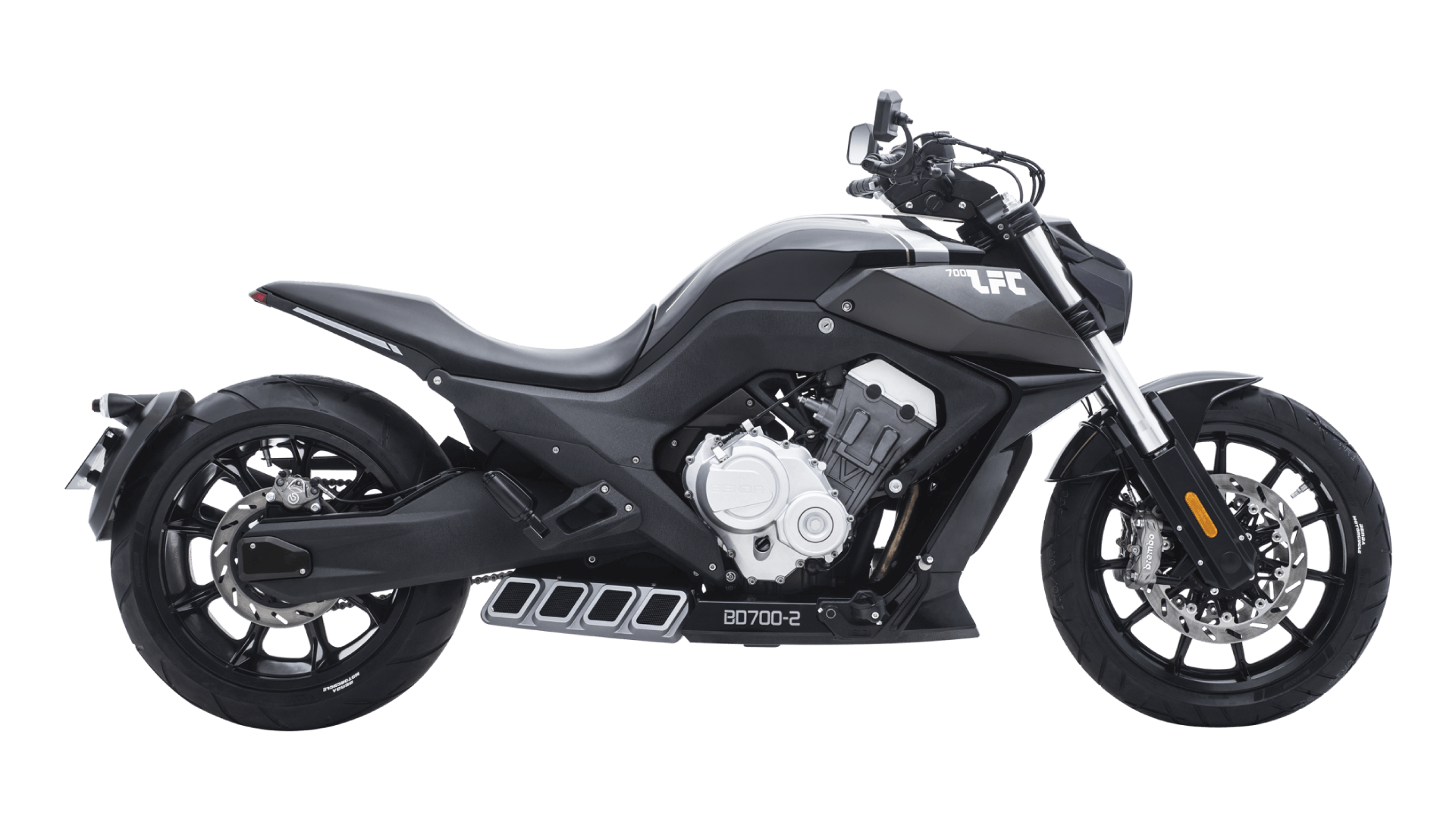
City heat and highway fatigue share one root: engine character. If the ECU mapping is abrupt at small throttle openings, slow traffic feels jerky. If vibration spikes in the midband, that same buzz lands right at 65–70 mph where you live on the interstate. ABS calibration can be another sleeper issue; tuned too conservatively, it triggers early on rough pavement and steals confidence. Traditional fixes—gel seats, taller screens, or highway pegs—help, but they don’t rewrite the base script. The real script is chassis balance, torque delivery, and rider triangle, all working together across two modes: stoplight sprints and steady cruising.
Comparative View, Future Tools: Making Mid-Size Feel Big-Mile Ready
What’s Next
Here’s the forward-looking shift. Mid-size cruisers are starting to borrow tech once saved for larger tourers. Think ride-by-wire that smooths low throttle, adaptive ABS maps tied to wheel-speed sensors, and ECU modes that stretch the usable torque curve without dulling response. When a 500 cc motorcycle gets smarter, the city/highway gap closes. A more rigid swingarm can quiet weave at speed, while tuned bar weights target the buzz band. Small changes, big miles. And when the CAN bus lets components talk—dash, ECU, ABS—the whole bike can be set for your real route, not a lab run.
Compare it this way: Old-school fixes chase symptoms, one bolt-on at a time. New principles reframe the base feel—engine pulse, chassis flex, brake behavior—so comfort and control grow together. That’s why the same bike can feel calmer at 25 mph yet more planted at 75—funny how that works, right? If Part 1 hinted at a split personality, now the aim is harmony. Fewer micro-corrections. Better stability in crosswinds. A seat that stays supportive because your posture isn’t fighting the pegs. Advisory note as you choose: measure what you can measure. Start with three metrics that matter most over months, not minutes. One, geometry fit: check knee angle and reach, not just seat height. Two, torque tuning: look for smooth pull between 3,000–6,000 rpm where you use it. Three, electronics package: ABS feel, throttle modes, and how the dash helps you monitor the ride. That’s how a mid-size cruiser earns big-mile trust—quietly, consistently, day after day. Find the bike that aligns with your roads and your rhythm, and the ride takes care of you as much as you take care of it. BENDA