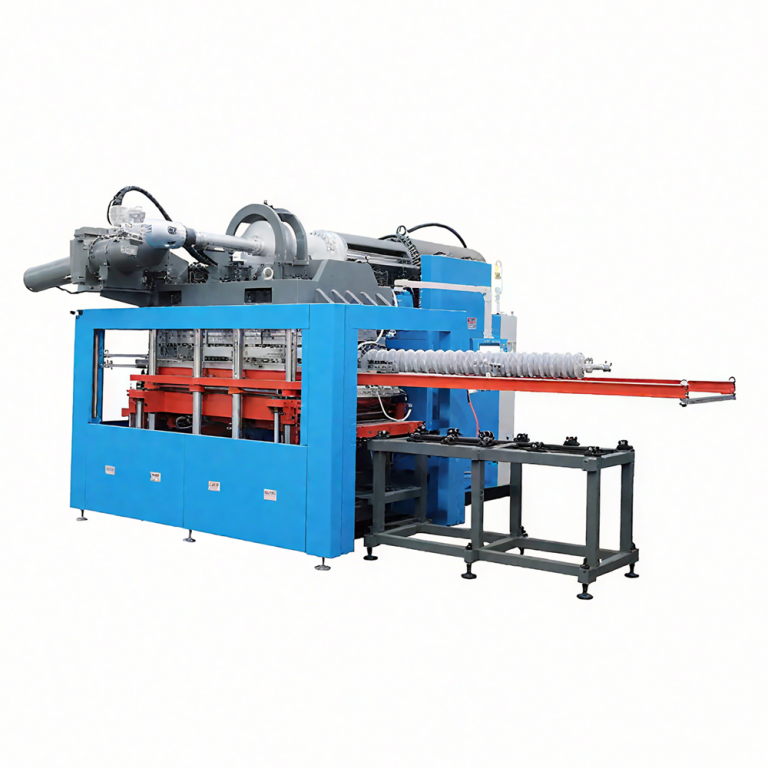
Comparative insight: why molding topology matters from day one
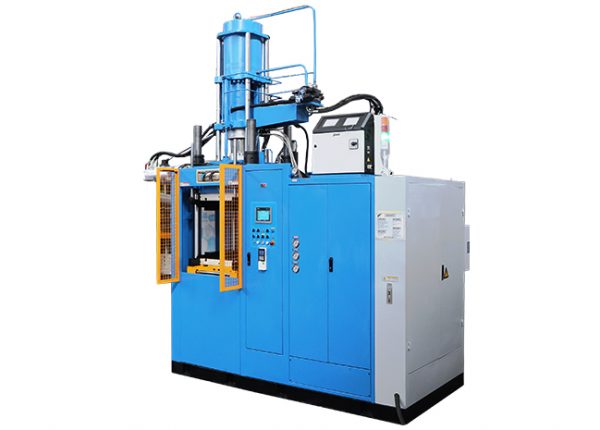
Decisions made during compound sourcing ripple through the entire production chain, and choosing the right machine topology is one of the clearest differentiators. For parts that demand tight tolerances and repeatable cure, a modern vertical rubber injection molding machine often provides superior control over injection pressure and melt temperature compared with legacy compression systems. The practical proof is easy to find — think of automotive suppliers that kept critical seal production running during the 2020 pandemic disruptions in Detroit; they favored machines that delivered consistent cure curves and reduced scrap on the line.
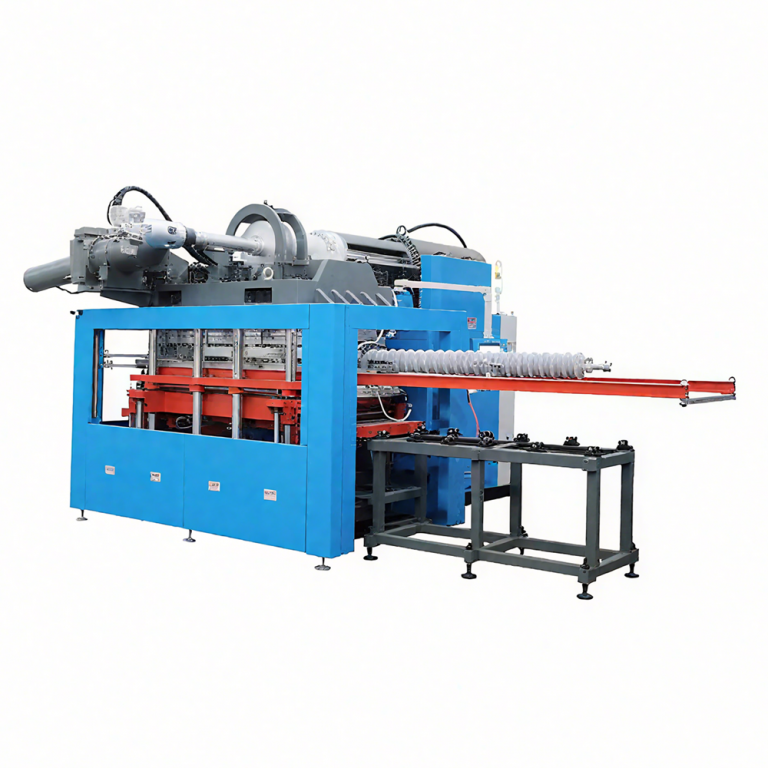
Performance trade-offs: vertical injection vs. compression molding
Vertical injection excels when you need short cycle times, consistent mold cavity fill, and fine control of injection pressure. That control translates into predictable vulcanization across the cavity and fewer late-stage defects. Compression molding can still be better for very large parts or low-volume runs because tooling costs are lower and clamping requirements differ. When evaluating equipment, compare cycle repeatability, thermal uniformity, and ease of setting dwell time. For teams looking to upgrade process control without a full retrofit, switching to a specialized vertical injection molding platform can be the pragmatic middle ground: better control, familiar tooling interfaces, and tighter cure profiling.
What data to track and why it matters
Temperature and pressure curves are the two signals that reveal whether the compound truly vulcanized as intended. Log melt temperature, mold surface temperature, injection pressure, and clamp force at a minimum. Layering timestamped cure curve data with part IDs and batch compound codes enables root-cause analysis when a batch shows elevated hardness variance or unexpected shrinkage. Use simple statistical process control (SPC) on peak injection pressure and time-to-peak; those metrics often correlate directly with flash, short-shot, or internal voids.
Common mistakes on the factory floor — and how to avoid them
Ignoring sensor placement is the most frequent error: a thermocouple glued to a runner tells a different story than one embedded in the mold insert. Calibration neglect comes next — drifted sensors yield plausible but misleading cure curves. Then there’s data overload without action: teams capture every telemetry stream but lack trigger thresholds, so alarms either never fire or always scream. — Implement pragmatic triggers tied to reject actions, not vanity dashboards. Map each sensor to a failure mode (hardness deviation, delamination, flash) and keep the mapping visible on the shop floor.
Alternatives and practical comparisons
Inline post-cure ovens, optical part inspection, and destructive testing each contribute value. Inline ovens improve cross-link density but add cycle time; optical inspection catches surface defects but misses sub-surface delamination. Destructive tests are the ground truth but slow. The smartest lines combine a vertical injection baseline for repeatable filling, live cure curve monitoring for immediate feedback, and periodic laboratory vulcanization checks for long-term drift control. That layered approach lowers overall scrap and shortens troubleshooting windows.
Three golden rules for selecting equipment and monitoring strategy
1) Prioritize reproducible control: choose machines that log injection pressure, clamp force, and mold surface temperature at sufficient resolution. These are the leading indicators for product quality.
2) Instrument sensibly: place thermocouples in or near critical mold inserts and standardize sensor types across shifts so data is comparable.
3) Tie data to action: define two alarm thresholds — a warning for operator review and a hard stop that diverts the part for inspection. Metrics should be actionable and limited in number so operators can respond reliably.
Match these rules to your line and the right partner will make them operational — practical, not theoretical. HWAYI supplies vertical platforms and process expertise that bridge compound choices to repeatable cure profiles, creating fewer surprises on the floor. Measured clarity.