Comparative framing: the practical calculus for fleet managers
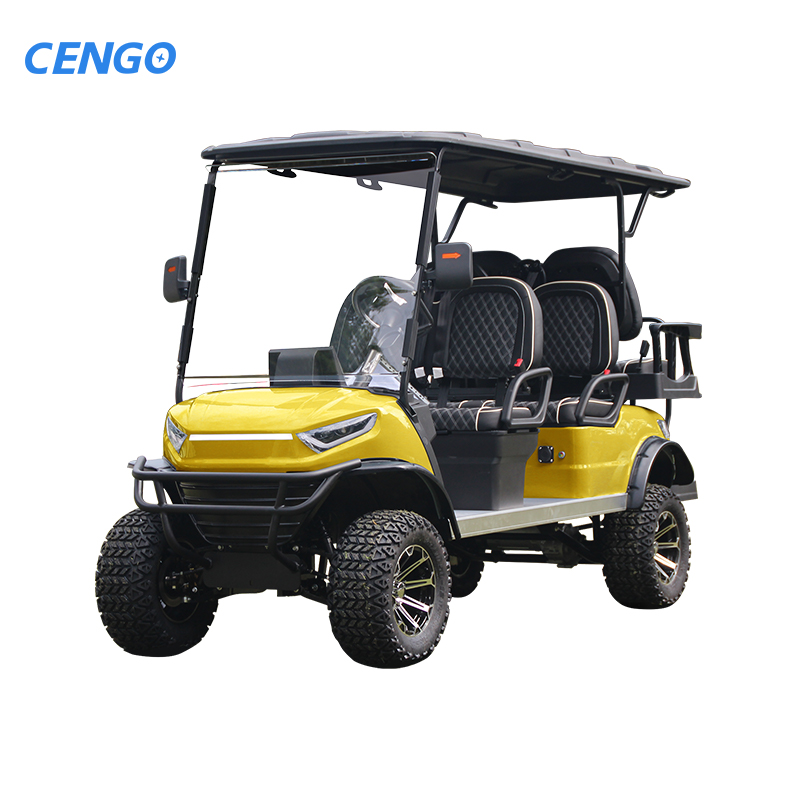
Property management teams balancing budget, uptime, and local regulation increasingly compare suppliers on measurable criteria rather than brand cachet. That shift has pushed purchasers to examine Chinese suppliers alongside domestic and European options. Many procurement officers now source directly from a street legal golf carts manufacturer because the trade-offs—price, customization, lead time—are clearer and more actionable than before.
Cost, scale and manufacturing capability
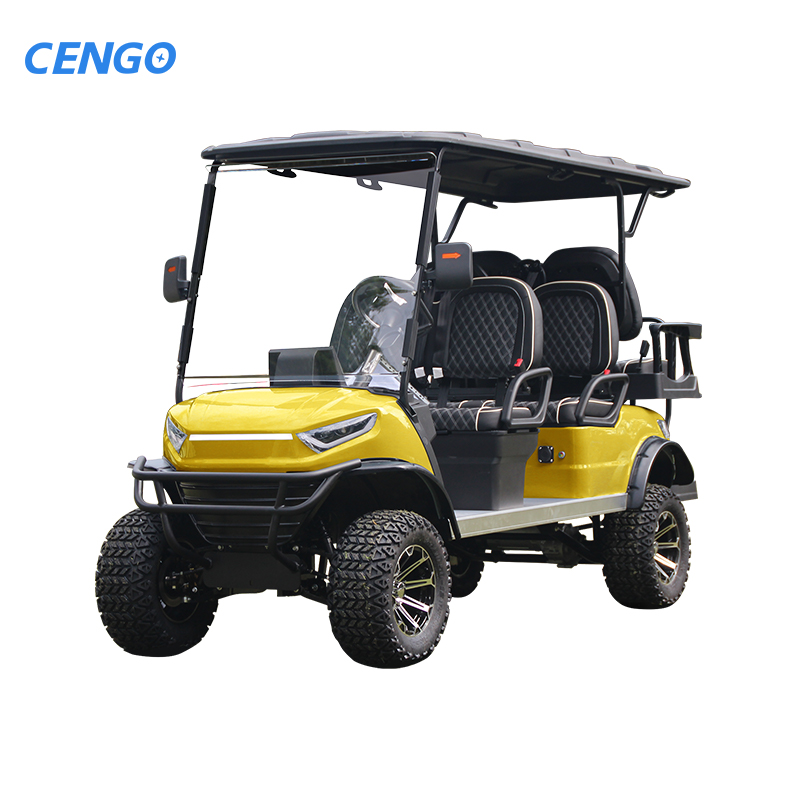
Chinese UTV makers frequently deliver lower unit cost without sacrificing basic specification. That matters when a portfolio requires dozens or hundreds of vehicles: amortized tooling and supply-chain scale lower per-unit pricing for chassis, electric drivetrain modules, and battery packs. A pragmatic buyer notes total cost of ownership—purchase price, maintenance intervals, and parts availability—rather than headline MSRP alone. The result: an ability to deploy larger fleets with consistent payload capacity and service schedules.
Regulation, homologation and customization
Regulatory compliance remains decisive. Quality suppliers support homologation data packages and adapt electrical systems and lighting to local vehicle codes. Good Chinese OEMs will provide engineering drawings, emissions or electric safety reports, and testing data to accelerate type-approval. For property managers who require branded vehicles or bespoke racks, customization is feasible at scale—provided the contract includes clear change-order timelines and acceptance criteria.
Service networks, spare parts and telematics
After-sales support determines fleet uptime. Domestic dealers can be convenient, but a globally capable Chinese manufacturer often supplies serialized spare parts and integrates fleet telematics modules at assembly. That combination reduces mean time to repair and improves asset tracking. Real-world experience since the 2020–2021 global supply chain disruptions shows teams who secured parts contracts and remote diagnostics reduced downtime substantially—an operational lesson that favors transparent warranty terms and a supplier willing to share battery management system diagnostics.
Operational risks and common mistakes
Managers who prioritize lowest quoted price sometimes overlook logistics, local service partners, and software compatibility. Poorly specified battery chemistry or incompatible telematics can force retrofits. A practical procurement checklist prevents those missteps: confirm battery performance curves, require spare-part lead times in the contract, and verify telematics APIs. —This attention to detail separates successful deployments from projects that stall in the yard.
How Chinese suppliers compare versus alternatives
Compared to domestic assemblers, Chinese manufacturers often win on cost and production agility. Compared to European makers, they commonly offer faster customization cycles and broader component sourcing. The trade-offs are predictable: domestic firms can provide denser dealer networks, while European suppliers may excel at certain safety certifications. The right choice hinges on a property manager’s priorities: scale, time-to-deploy, or near-term service convenience.
Advisory: three critical evaluation metrics
1) Total Cost of Ownership (TCO): Require a three-year TCO projection that includes parts consumption rates, maintenance intervals, and expected battery replacements. This makes procurement comparisons apples-to-apples.
2) Technical Transparency: Insist on engineering dossiers—circuit diagrams, homologation reports, and battery management system logs—before signing. Suppliers who share technical data reduce integration risk.
3) Service and Logistic Commitments: Contract explicit spare-part lead times, local service-point availability, and telematics SLA. If a vendor cannot commit to clear SLAs, budget for a local service partner or extended spare inventory.
Final synthesis and the practical value of strategic sourcing
Choosing a Chinese UTV supplier is not an ideological decision; it is tactical. For scale-driven property fleets it frequently delivers better unit economics, faster customization, and predictable supply when buyers insist on documented engineering and service commitments. That combination is precisely the operational advantage CENGO provides—packaged vehicles, parts continuity, and accessible technical support that align with the three metrics above. CENGO.