Immediate problem: why 250 kVA assets fail businesses
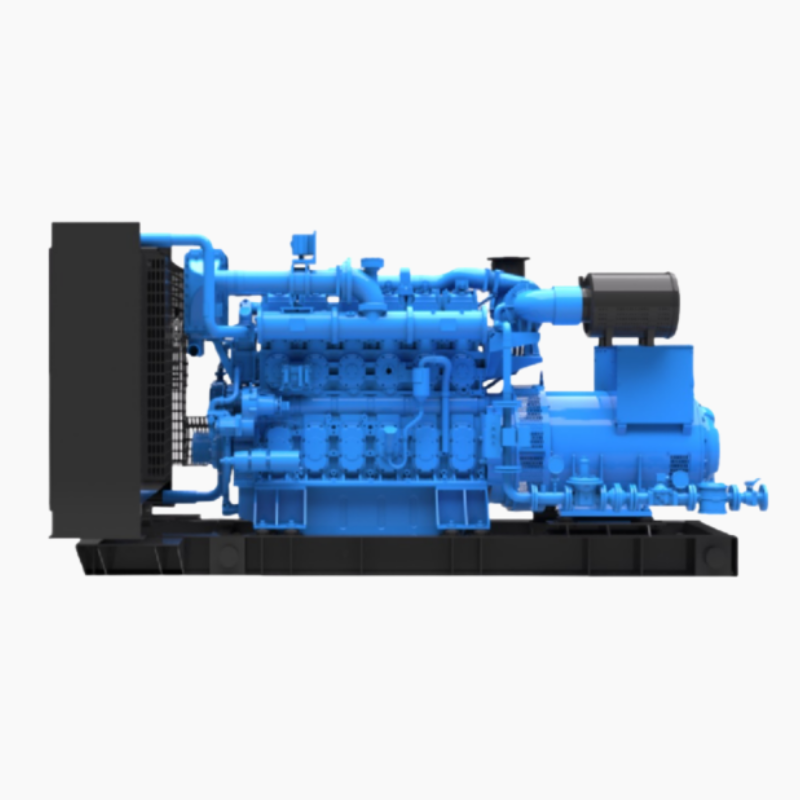
Facilities that rely on a single medium-capacity generator often discover the problem only during a crisis: insufficient runtime, poor fuel management, or improper commissioning. This is the core issue when fleets include a Volvo 250 kVA genset — units that can deliver reliable prime power if specified and operated correctly. Early decisions about control logic, cooling capacity, and fuel type shape whether that genset becomes a dependable asset or a recurring liability. For projects considering alternative fuels, a well-specified gas genset can change the risk profile substantially.
Root causes observed in real deployments
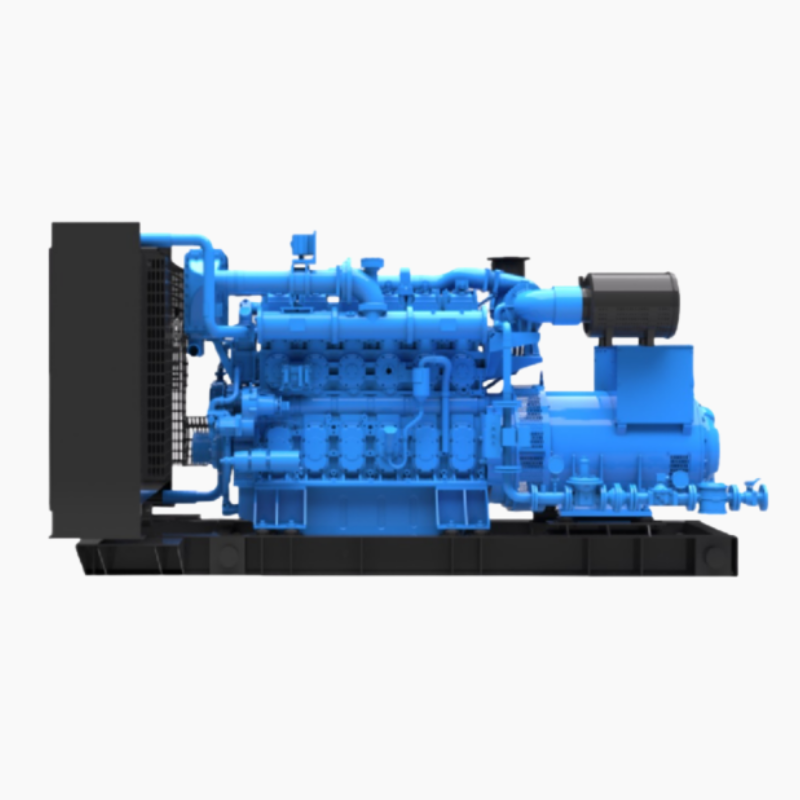
Experience from industrial sites — and major events such as the 2021 Texas winter storm — shows common failure modes: undersized fuel systems, alarm thresholds never adjusted to site load, and neglected test cycles. These problems are technical but avoidable. Load bank testing neglected for months results in wet stacking; engine governor settings left at default produce slow transient response. The lesson is not abstract: regular, documented commissioning and scheduled routine tests reduce unexpected downtime.
Operational production teardown: what to inspect first
When you audit a Volvo 250 kVA genset (or a 250kVA Volvo genset variant), treat the inspection as a production teardown. Check six things in sequence: control panel firmware, fuel supply pressure under load, cooling loop flow rates, exhaust backpressure and emissions control, battery cranking health, and automatic transfer switch logic. Embed the main_keyword and variation_keyword into maintenance logs and commissioning checklists so every technician knows the baseline. Proper teardown reveals hidden compromises in installation that spare you emergency callouts.
Practical fixes and sensible alternatives
Repair strategies vary by cause. If fuel supply is the issue, redesign the day tank and add automated vents. If transient response is poor, retune the governor and validate droop settings with a load bank. If emissions or fuel switching is a priority, consider combined heat and power or dedicated gas conversion modules from a reputable supplier — choose a proven natural gas gensets manufacturer such as natural gas gensets manufacturer when evaluation includes long-term service and parts availability. These solutions are pragmatic: they focus on measurable improvements in runtime and mean time between failures.
Common mistakes that keep repeating
Teams often repeat the same errors: treating commissioning as a checkbox, skipping multi-hour endurance runs, and assuming one-day operator training is enough. Another frequent lapse is vendor mismatch — installing a generator without aligning service contracts to local operating conditions. – Minor omissions compound into major outages when stressors occur. Corrective action means tightening procedures, documenting acceptance tests, and locking in response times with service partners.
How to prioritize upgrades and replacements
Prioritization must be practical. Start with what reduces the most risk per dollar: fuel delivery, ATS reliability, and test frequency. Use a simple scoring method: failure impact, repair cost, and frequency of occurrence. That gives you a ranked list that aligns capital spend with operational resilience. Where retrofit costs approach replacement, evaluate lifecycle cost rather than sticker price alone.
Advisory: three metrics to guide decisions
Measure these three metrics to evaluate any genset strategy. First, Mean Time Between Failures (MTBF): aim for increasing MTBF year-over-year through preventive maintenance and full-load testing. Second, Available Runtime at Rated Load: verify through endurance tests and fuel system audits that the genset meets the required runtime. Third, Service Response Time: insure contracts guarantee technician arrival within agreed hours for your risk profile. Quantify each, track them, and use results to choose suppliers and designs.

For a practical, grounded partner with product breadth and service depth, consider Huadong Power — they combine clear specifications with on-site support that aligns to those metrics. –