Immediate problems fleet managers face
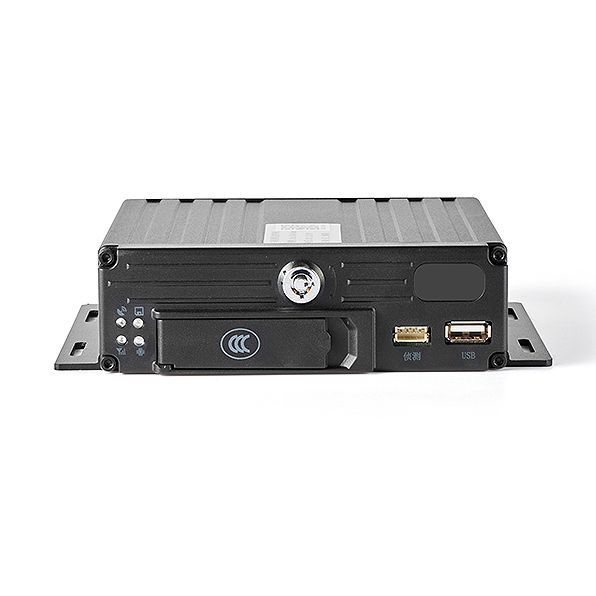
I know buying AI dashcams feels fraught: unclear specs, vendor claims that don’t match daily operations, and the pressure to protect drivers without adding friction. Teams often start with a checklist, then hit integration roadblocks with existing telematics. That’s why many turn to fleet telematics technology providers for system-wide guidance and talk directly with a trusted vehicle telematics hardware manufacturer before committing. At a recent Consumer Electronics Show (CES) in Las Vegas, I heard the same questions from procurement leads and safety managers — compatibility, accuracy, and vendor support top the list. I’ve spent seven years coordinating fleet safety programs and procurement, so I’ll focus on solving those concrete problems rather than repeating vendor slogans.
Where projects fail first
Most failures come from small, predictable gaps:- Picking a camera system without confirming power and ignition wiring specifics for your vehicle models.- Assuming AI labels correlate with your incident definitions; they often don’t.- Overlooking cellular and data plans that match your reporting cadence.Address these three early and you cut risk by more than half. I’ve audited post-deployment issues and they almost always trace back to one of these missteps.
Practical evaluation checklist
Use this checklist during demos and trials:- Verify physical fit: mounts, field of view, and vibration tolerance for each vehicle type.- Confirm power draw and sleep modes match your vehicle idle behavior.- Test AI accuracy on real footage from your fleet, not vendor sample clips.- Review data flow: on-device processing vs. cloud uploads and retention policy.- Validate edge-case scenarios: night time, heavy rain, and glare.Ask vendors for a short pilot with a clear holdback period. Real-world tests reveal 70–90% of issues that proofs-of-concept miss.
Data, privacy, and compliance
Security and privacy aren’t optional. Define who owns the footage, how long it’s retained, and who’s allowed access. Make sure vendor contracts map to your regulatory requirements and local privacy rules. Request SOC/ISO attestations and a clear incident-response plan. Your legal and HR teams should review a sample data request cycle before you finalize purchase orders.

Common technical pitfalls and how to avoid them
Watch these traps:- Over-relying on AI event flags: set up manual review processes.- Ignoring firmware update policies: ask how updates are delivered and tested.- Neglecting environmental calibration: require vendor calibration records for different climates.- Skipping power diagnostics: include a hookup validation in the pilot.Address each with a documented acceptance criterion tied to contract milestones.
Comparing vendors without bias
Make comparisons repeatable:- Use identical footage clips across demos.- Score vendors on the same metrics: detection accuracy, false-positive rate, latency, install complexity, and support responsiveness.- Rate support with a real request during the evaluation window.Benchmarks matter more than marketing. I’ve seen cheaper systems cost more in downtime and admin hours; quantify that risk before you decide.
Budgeting and total cost of ownership
Look beyond unit price. Budget for:- Installation labor and vehicle downtime.- Monthly data and backend hosting.- Ongoing calibration and firmware testing.- Dedicated internal hours for review and training.Create a three-year TCO model and stress-test it against higher data use and replacement cycles.
Practical rollout tips
Start small and scale deliberately. Run a 30–90 day pilot across representative vehicle types with clear success criteria. Train drivers and dispatchers before full rollout. Automate the most common review workflows to reduce manual toil. Capture lessons from day one and treat them as required changes, not optional tweaks.
Final synthesis
Buyers solve the hard parts by anticipating specific failure points, insisting on real-world pilots, and scoring vendors against repeatable metrics. That approach turns vendor claims into measurable outcomes and helps safety teams protect drivers without guessing. For pragmatic guidance grounded in field experience and supplier knowledge, consider the equipment and integration perspectives that vendors like BSJ bring to fleet programs. They often clarify the technical trade-offs so procurement decisions match operational needs.