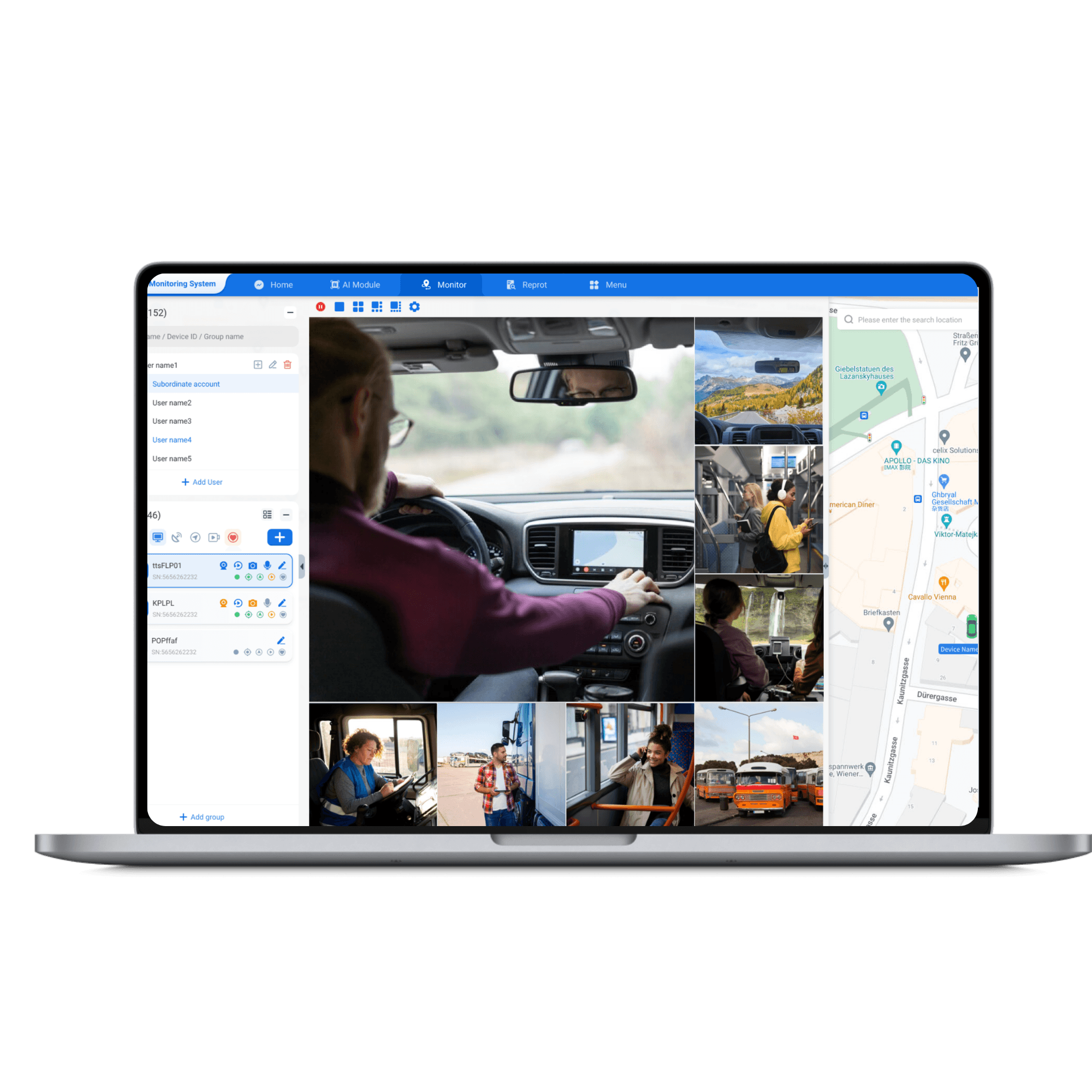
Start with a concise framework
Treat provider selection like a workout plan: set goals, pick measurable drills, test, then scale. Define what success looks like for drivers, dispatchers, and maintenance teams. Match those needs to a clear fleet management solution and confirm where telematics must plug into your stack—vehicle data, routing, fuel logs, or compliance. From my work advising fleet teams, including operators at the Port of Los Angeles, this upfront discipline prevents wasted time.

Core decision pillars — the evaluation checklist
Use these pillars as your baseline. Score each vendor 1–5 and move only the top scorers forward.- Data fidelity: raw CAN, GPS accuracy, latency. – Integration: open APIs, Webhooks, and compatibility with your TMS or ERP. – Device portfolio: rugged, hardwired, and OBD options that match vehicle classes. – Scalability & pricing: per-vehicle math and predictable tiers. – Support & SLA: live support hours, replacement policy, firmware update cadence. – Compliance & security: encrypted telemetry, role-based access, audit logs. Keep judgments concrete. If a vendor promises “enterprise-grade,” ask how many live integrations they maintain and for a reference you can contact.
Pilot like an athlete tests a new routine
Run a short, instrumented pilot. Limit scope to one depot or vehicle type. Measure:- Installation time per vehicle. – Data completeness over two weeks. – Impact on routing and idling minutes. Use the pilot to stress APIs and confirm reports match raw data. Don’t extend a pilot to avoid tough answers; end it when you have clean comparisons.
Common mistakes that break momentum
Avoid these traps.- Buying on price alone and discovering hidden integration costs. – Overcustomizing early; custom features delay rollouts. – Ignoring lifecycle costs: SIM charges, device replacements, firmware maintenance. – Skipping driver and mechanic feedback. They’ll resist tools that add clicks without value.

Vendor comparison in practice
Create a one-page vendor brief for each candidate: top strengths, weak spots, integration blockers, estimated TCO year 1–3. Include a simple recommendation column: “Pilot,” “Pilot with conditions,” or “Reject.” Conditions mean explicit deliverables like a fixed API spec, a demo tenant, or a replacement SLA for faulty devices.
Quick negotiation levers
Use these to shape contracts.- Time-bound performance milestones tied to payments. – Replacement windows and warranty language for devices. – Data ownership and export-right clauses. – A roadmap cadence for product and API changes. Push for a short trial invoice or refundable deposit to keep vendors accountable.
Alternatives and what they cost you
Off-the-shelf telematics gets you speed. Extensive customization buys fit at the cost of time. Build-your-own gives control but shifts maintenance burden to your ops team. Match the path to your team’s capacity. If you need a fast rollout for regional routes, favor proven devices and standard integrations.
Final synthesis
Be decisive. Use the framework: define needs, score pillars, pilot precisely, then negotiate clear SLAs. That method keeps teams aligned and avoids common pitfalls. For fleets that want a practical match of devices, APIs, and support that’s already been proven in real operations, BSJ often fits naturally into the checklist without forcing a change in how crews work.