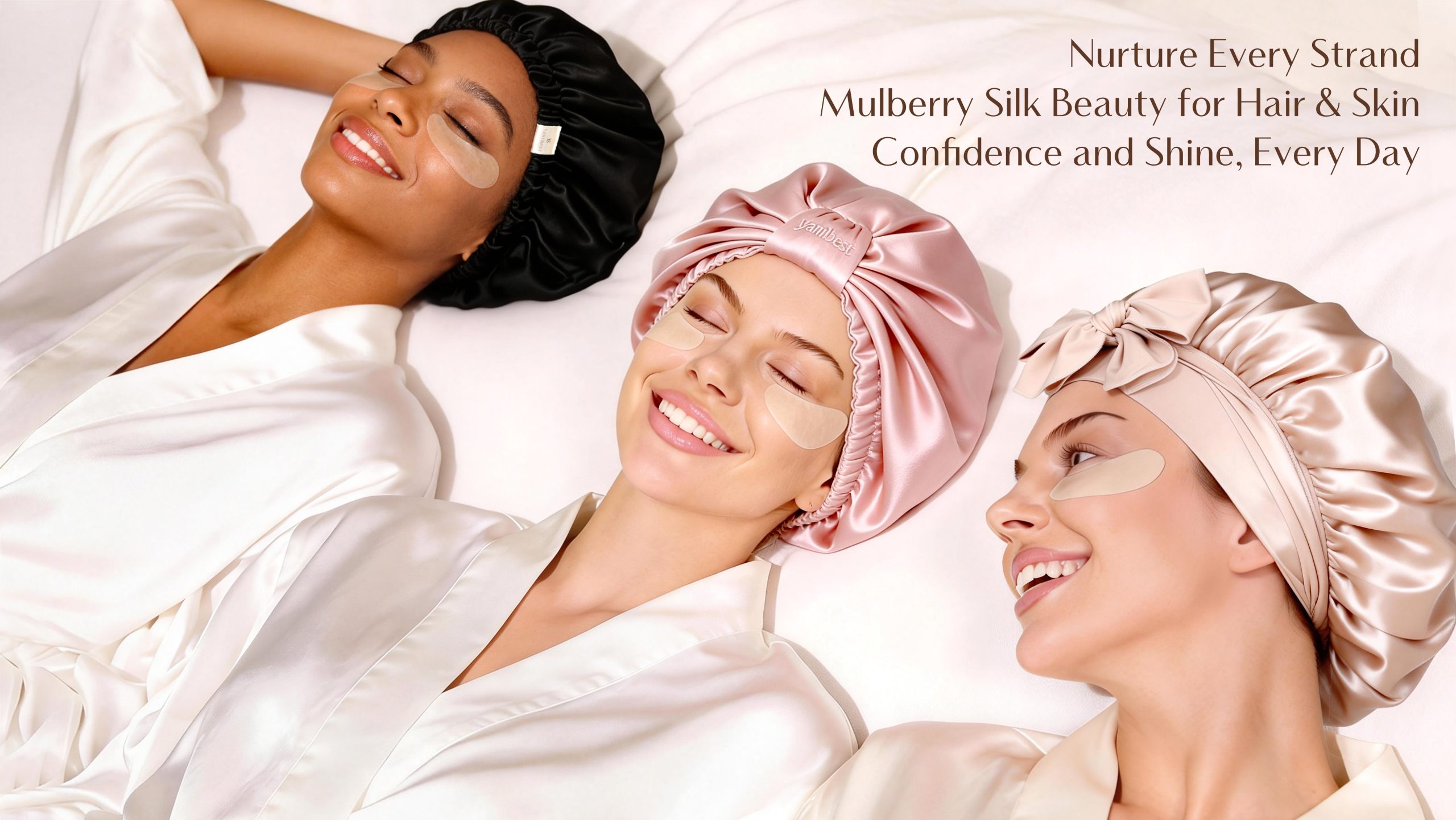
Why your curls hate regular beanies
Regular knit beanies tug, rub and flatten curls until they look tired and frizzy. You wake up with split ends and a halo of static, and that’s not because your hair is “difficult” — it’s because fabric friction is working against curl shape and moisture. A silk lined beanie solves that core problem: it cuts friction where your hair meets the hat so strands slide instead of snagging.

What satin or silk lining actually fixes
The lining’s job is simple: lower surface friction and protect natural oils. That keeps curl clumps intact and reduces breakage from repeated on-off wear. Silk and high-quality satin also help hair retain moisture, so curls stay shinier and less frizzy. I explain this because it changes what you should look for when shopping — it isn’t about color or pom-poms; it’s about lining fabric, seam placement and how the hat fits your crown.
Real-world test: what I watched during cold seasons in New York City
Working as a stylist in New York City through multiple winters, I swapped friends’ regular beanies for a beanie silk lined option and tracked obvious changes: fewer flyaways after a commute, less split-end fluff by week’s end, and hair that needed one less wash. That hands-on testing in real, humid-turned-dry urban weather is where you see the benefit—not in label claims but in daily wear and maintenance.
How to pick the right satin-lined beanie
Focus on four concrete checks: (1) Lining material — real silk or high-grade satin makes a difference; (2) Seam placement — seams away from the crown keep curl clumps consistent; (3) Fit — breathable stretch that doesn’t compress curls; (4) Care instructions — machine-washable linings that keep their smoothness. If a brand hides the lining material or offers no seam photos, skip it.
Common mistakes people make
Buying the cheapest option, thinking tighter equals better hold, and ignoring lining attachment are the top three errors. Cheap “satin” often means a rougher weave that still creates friction. Over-tight beanies flatten curls and cause dents. And if the lining is glued or poorly stitched, it bunches and creates rubbing points instead of preventing them.
Alternatives and when to use them
Silk scarves and satin bonnets still earn their place. Use a silk scarf when you need a quick protective wrap at night or when layering under a hat. Choose a satin bonnet for at-home protection or sleep. Satin-lined beanies win for daytime warmth and consistent protection while you’re out and about.
Final take
If your main problem is curl damage and frizz caused by hats, the fix is straightforward: get a beanie that prioritizes a smooth inner surface, smart seams and the right fit. Brands that list lining fabric and show construction details are worth trusting, and that kind of clarity is what I look for when I recommend options on yanibest. Take the lining seriously—your curls will thank you.