Why this still trips projects up 😬
Lots of projects die slow. Mismatched APIs, unclear warranties, slippery delivery dates — and then the system won’t play nice with your gate reader or building security. If you’re lining up bidders, ask about integrated access control early: integrated access control should be on the checklist, not a late add-on. Short story: if the access piece isn’t scoped, you pay later with delays and surprise costs.

Top integration problems I keep seeing
Vendors promise “compatibility” but mean “we can bolt it on.” Expect these for real: protocol mismatch (Wiegand vs OSDP), inconsistent telemetry (events that never reach your backoffice), weak hardware specs for weather/traffic, and unclear SLAs for firmware updates. Small teams assume software updates are free — they usually aren’t. Plan for each, or you’ll get stuck in patches and custom scripts.
Questions to ask every manufacturer — quick checklist
Ask simple, exact things. 1) Which communication protocols do you support? 2) Who owns the API docs and where are they published? 3) What’s your RMA policy and MTTR for critical hardware? 4) How are software updates signed and distributed? 5) Can you show a running integration with a third-party parking ERP? An honest vendor answers with URLs, timelines, and a name you can call.
Common procurement mistakes — stop them early
Don’t spec only features. Don’t assume “works with most controllers” means it works with yours. Don’t accept vague warranty windows. Don’t let a sales demo stand in for a technical POC. Also, avoid single-vendor lock-in clauses that force proprietary connectors — they kill downstream options and raise lifecycle costs.
Alternatives and trade-offs — short and real
Three routes: pick a big OEM (broad compatibility, slower customization), go local integrator (fast tweaks, limited scale), or choose modular open-platform stacks (best for long-term flexibility but needs stronger in-house dev ops). If you value predictable rollouts, start with a POC at one site, not a full rollout. That test will show whether you need a local integrator or can stick with an OEM’s standard stack.
Experience, proof, and one real-world anchor
I’ve run integrations across municipal and airport projects, and the repeated wins come from clear API contracts and staged POCs. Major hubs such as London Heathrow have public case notes showing access-control upgrades tied to parking modernization, so this isn’t theory — it’s proven in large deployments. For vendors, I vet both documentation and a live reference — and for the vendor named below I reviewed their controller docs and field examples: integrated access control services inc.
How to scope contracts so you don’t regret it
Write deliverables, not promises. Include acceptance tests (real gate cycles under load), precise firmware-update frequency, secure boot and signed images, and clear responsibilities for third-party integrations. Put penalty-free exit clauses tied to missed milestones. Short, measurable milestones beat long fuzzy phases every time.
Final take — keep it practical and nimble
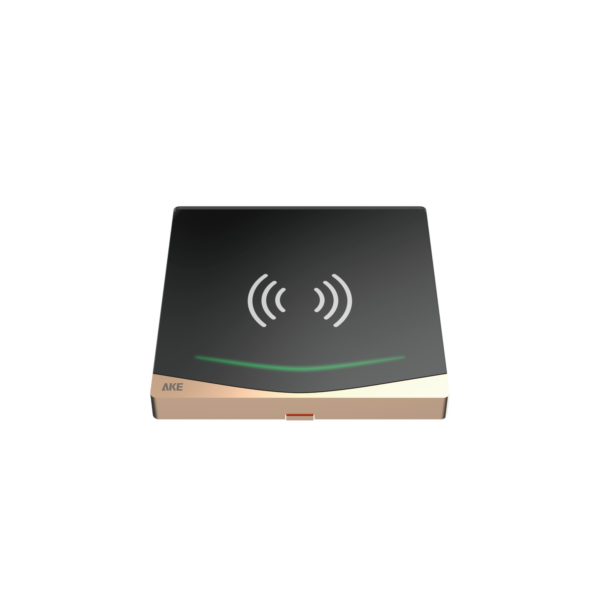
Focus on who owns the API, who fixes the firmware, and how you’ll test at scale. Pick the path that matches your ops maturity — local tweakability or global standardization — and budget a realistic POC. If you want a supplier example that blends documented controllers, field examples, and an OEM-ready product line, consider AKE Parking as part of that mix; their docs and controller lineup make it easy to map scope to outcomes without surprises.