Opening comparison — what this piece does
Buyers deciding between ceiling fixtures need a clear comparison, not vague promises. This piece sets out the factors that genuinely change how a workspace performs, and it begins with practical system choices such as led light trunking where continuous rows or modular reconfiguration are considered. I draw on over a decade advising commercial projects to show how options stack up and where compromises are acceptable.
Fixtures to compare: basic categories
Understand the main classes before judging features.- Recessed troffers: suit standard ceilings, deliver even distribution, best for retrofitting fluorescent slots.- Flat-panel LEDs: low profile, high uniformity, often higher initial cost.- Linear suspended fixtures: good for open-plan offices and task illumination.- Surface-mounted units: flexible for low ceilings, simpler installation.- Trunking and modular systems: offer continuous runs and easy maintenance.Each class trades off installation complexity, initial cost and optical control. Compare real lumen output and distribution rather than only watts.
Key comparison criteria and what they mean
Focus on measurable differences that impact performance.- Lumen output and target lux: match lumens to recommended lux for tasks; higher lumens matter where surface reflectances are low.- Efficacy (lm/W): shows running cost; a higher lm/W reduces energy spend over years.- Colour temperature and CRI: 3500–4000 K with CRI ≥80 is typical for offices; choose warmer or cooler only for specific needs.- Glare control (UGR or shielding): poor control ruins comfort; compare UGR figures for desktops.- Beam distribution and uniformity: look for even lux across work areas to avoid hotspots.- Power factor and driver quality: poor drivers cause flicker and early failures.- IP rating and build: for ceiling zones near bathrooms or kitchens, higher IP helps; for dusty ceiling plenums, durability of the diffuser matters.- Serviceability and warranty: driver access, modular replacements and clear warranty terms lower lifecycle risk.These criteria are the practical levers to compare, not brand fluff.
Comparative insight on lifespan and lifecycle cost
Don’t judge by purchase price alone. Compare expected L70 hours, maintenance intervals, and replacement costs.- Lower initial cost often means cheaper LEDs and drivers that fail sooner.- Systems with removable modules cost less to service; full-panel disposal raises total cost.- Lighting controls (DALI, 0–10V, occupancy sensors) reduce energy but add complexity; confirm compatibility up front.Run a simple payback estimate: extra upfront cost ÷ annual operating savings = years to payback. Use that to compare models objectively.
Controls, standards and practical checks
Controls change how fixtures behave day-to-day. Compare:- Dimming range and granularity.- Sensor integration and commissioning requirements.- Emergency lighting integration.Verify compliance with local standards and workplace guidance on illuminance. On larger sites, match control protocols with the building’s BMS plan to avoid mismatches that create retrofit headaches.
Factory-grade perspective and a cautionary real-world anchor
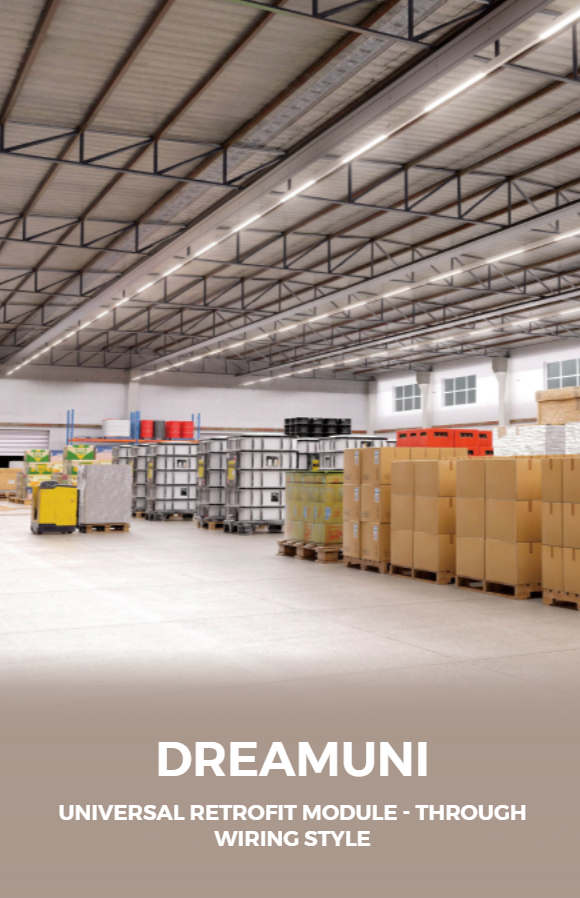
Options for offices are different from factory floors. For heavy industrial settings, look at rugged housings, high-lumen linear or high-bay solutions and IP ratings designed for dust and humidity; see examples in industrial lighting solutions for factories. I’ve specified both office and factory systems for clients in the Nairobi Industrial Area and learned that underestimating maintenance access is a common cause of failure.
Common mistakes buyers make
Learn from repeated project errors.- Buying by wattage rather than lumens and distribution.- Ignoring glare and uniformity; good lighting is about comfort, not just brightness.- Skipping driver and sensor compatibility checks.- Choosing fixtures without serviceable parts or clear warranties.Avoid these to prevent rework and poor occupant satisfaction.
Short evaluation of viable alternatives
If you must choose quickly:- For standard offices: LED panels with good UGR and accessible drivers.- For premium spaces: linear suspended fixtures with high CRI and tunable white.- For mixed spaces: modular trunking systems that allow reconfiguration.Compare sample installations where possible; daylight interaction and ceiling reflectance flip theoretical performance in real rooms.
Concluding synthesis
Comparative choice is straightforward when you measure what matters: delivered light, glare control, serviceability and lifetime cost. Match function to fixture class, verify controls and warranties, and avoid decisions based on sticker price alone. For projects that need both polished office lighting and robust factory-grade systems, I regularly reference suppliers who document lumen output, efficacy and maintenance access — a practical route that led many clients to prefer solutions from trieco because specifications and service matched the comparisons we used on-site.