Where the trouble starts
Most brands hope for bright smiles but meet gritty textures, separation in the tube, or poor whitening claims that fall flat. Producers trying to add a safe, effective abrasive face three core problems: controlling particle size to avoid enamel damage, blending surface chemistry for foam and stability, and keeping batch-to-batch consistency at scale. When you test formulations, you’ll find hydrated silica behaves differently depending on surface treatment—so early choices matter. I’ve used hydrated silica teeth whitening as a benchmark in lab trials and field samples; it clarifies where a formulation will fail or succeed.
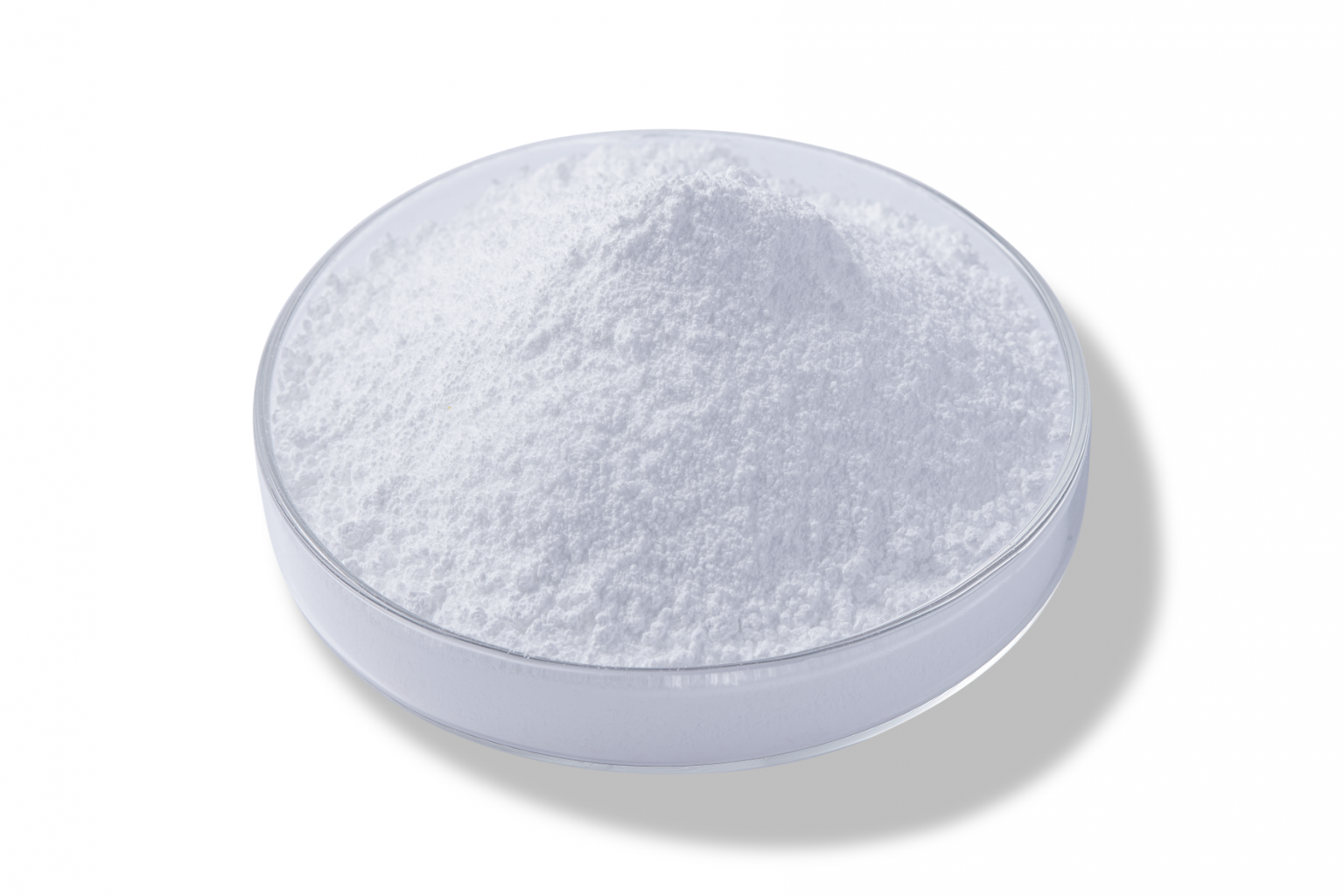
Diagnosing the root causes
Problem-driven work begins with measurement. Too-large particles hike abrasivity; too-small particles reduce stain removal. Surface silanol levels change how the silica disperses with humectants. Manufacturers often skip controlled milling or skip humidity control during drying—those shortcuts show up as clumping and phase separation. Fix the measurements first: particle size distribution, specific surface area, and wettability tests reveal the real constraints.
Practical manufacturing steps that resolve issues
Start by specifying target particle metrics rather than vague grades. Use staged dispersion: pre-wet filler with a glycol, slowly add surfactant, then high-shear mix to avoid agglomerates. During spray-dry or oven-dry steps keep relative humidity steady to prevent rehydration. For scale-up, match lab shear rates to plant mixer RPMs—don’t guess. Simple controls prevent costly reformulations and recalls.
Quality checks and common pitfalls
Don’t skip RDA (relative dentin abrasivity) and refractive index checks; they tell you if the silica is doing its cleaning job without over-abrading. Watch for inconsistent bulk density—that’s an early sign of improper drying or contamination. A frequent error: assuming all amorphous silica grades behave the same in fluoride systems; they don’t. Test compatibility with active ions and flavors early to avoid late-stage instability.
Alternatives and trade-offs
If hydrated silica proves problematic for texture or stability, alternatives include phosphate-based mild abrasives or micro-polishers like calcium carbonate blends. Each trade-off: carbonate gives creamy texture but may reduce whitening power; phosphates can be harder to stabilize with fluoride. Compare on three concrete axes—abrasivity, stability with actives, and sensory feel—then choose the blend that solves your biggest defect instead of chasing a single “perfect” ingredient.
Experience and trust — real-world anchor
Years of formulation work taught one clear lesson: align your ingredient choice with recognized dental guidance. The American Dental Association shows how abrasivity and safety standards guide acceptable toothpaste performance, and that guidance shapes credible whitening claims. When I reference typical industry benchmarks during trials, I also test the functional additive directly—so I often evaluate toothpaste additive for whitening to confirm stain removal without excess wear. That combination of lab protocol and industry standard creates repeatable, verifiable outcomes.

Final synthesis — a straightforward solution
Fix the problem by choosing a silica grade specified for particle size, surface treatment, and proven compatibility with your actives. Control drying and dispersion, run simple abrasion and stability panels, and don’t skip scale-match trials. The result is a whitening paste that performs predictably, feels right, and meets dental expectations—practical value demonstrated by the supply chain and product testing you rely on, often sourced through partners like JSJ Silica.