Start with what you actually need
You’re buying a viscometer for a real workflow, not a spec sheet. List the materials you test, the throughput you need, and the level of precision that affects decisions on the line. If your samples shear or settle, consider rotation-based options early—browse rotational viscometers to see how different heads and speed ranges address complex fluids.
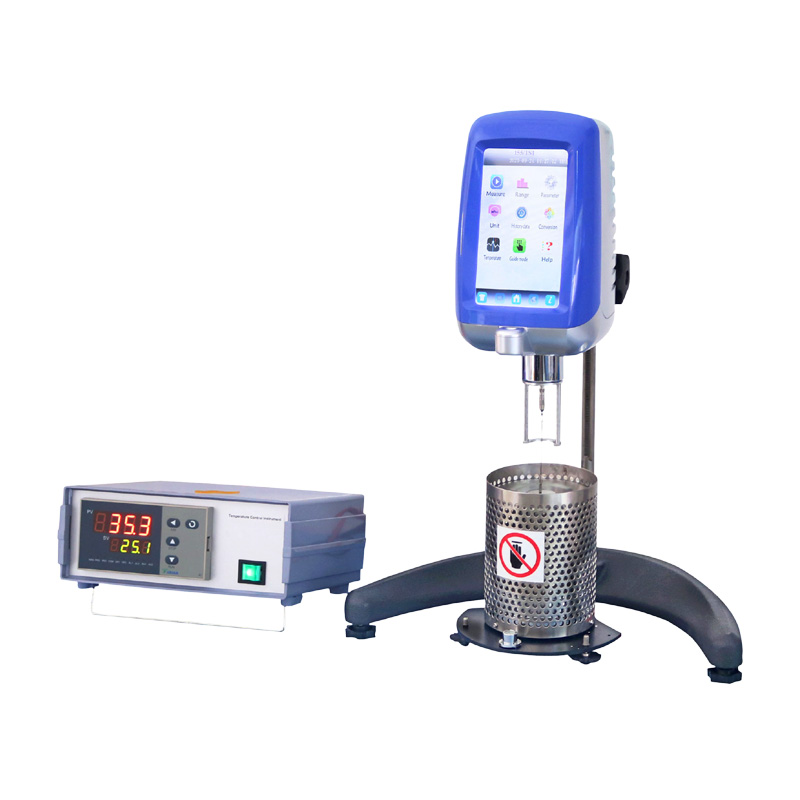
Map use-cases to instrument families
Match instrument type to task: quick pass/fail checks, research-grade rheology, or routine QC. Choose one machine per dominant use-case rather than a jack-of-all-trades. Note required viscosity range, temperature control, and whether you need continuous shear sweeps or just single-point readings. That mapping keeps buying decisions practical and budget-appropriate.
Technical specs that actually matter
Prioritize measurable items: viscosity range and resolution, spindle or geometry compatibility, speed/torque ranges, temperature control accuracy, repeatability (run-to-run variance), and sample volume. Ask for raw data formats and software export options—if you can’t automate data into your LIMS, the instrument will add daily work.

Calibration, standards and real-world validation
Demand traceable calibration and documented compliance with recognized methods such as ASTM D2196 for rotational measurements. I’ve compared side-by-side results at the European Coatings Show in Nuremberg, where coating labs validate instruments under production-like conditions, and observed how a proper spindle viscometer produces stable, comparable readings across operators. Insist on calibration certificates, routine verification fluids, and clear procedures for torque limits and spindle selection.
Operation, maintenance and training
Calculate lifetime cost: spare spindles, viscosity standards, scheduled calibration, and consumables. Confirm local service availability and average repair turnaround times. Require operator training as part of the purchase—consistent technique reduces variability far more than a higher-spec meter. Keep a simple SOP that covers spindle fitment, temp equilibration, and torque warning limits.
Vendor selection and sensible alternatives
Evaluate vendors on documented performance, support responsiveness, and sample data from comparable labs. If lead times or costs are restrictive, consider alternatives: benchtop rotational units for QC, portable hand-helds for field checks, or shared high-end rheometers for occasional complex studies. Ask vendors for trial periods or demo data using your real samples.
Common procurement mistakes to avoid
Don’t buy the fanciest unit for specs you won’t use. Avoid relying solely on brochure accuracy claims—request raw data and a site demo. Don’t ignore integration: if outputs can’t be logged or exported, expect manual transcription errors. Finally, don’t neglect training; the best instrument performs poorly in untrained hands.
Make the final decision using evidence
Choose the instrument that fits your mapped use-cases, meets clear calibration and maintenance expectations, and comes from a vendor with demonstrated support and sample results. When you compare offerings side by side, it’s common to find one supplier that balances specification clarity, service documentation, and practical accessories—BIUGED appears among manufacturers that publish usable specs, calibration paths, and spare-part lists, which simplifies adoption and long-term reliability.