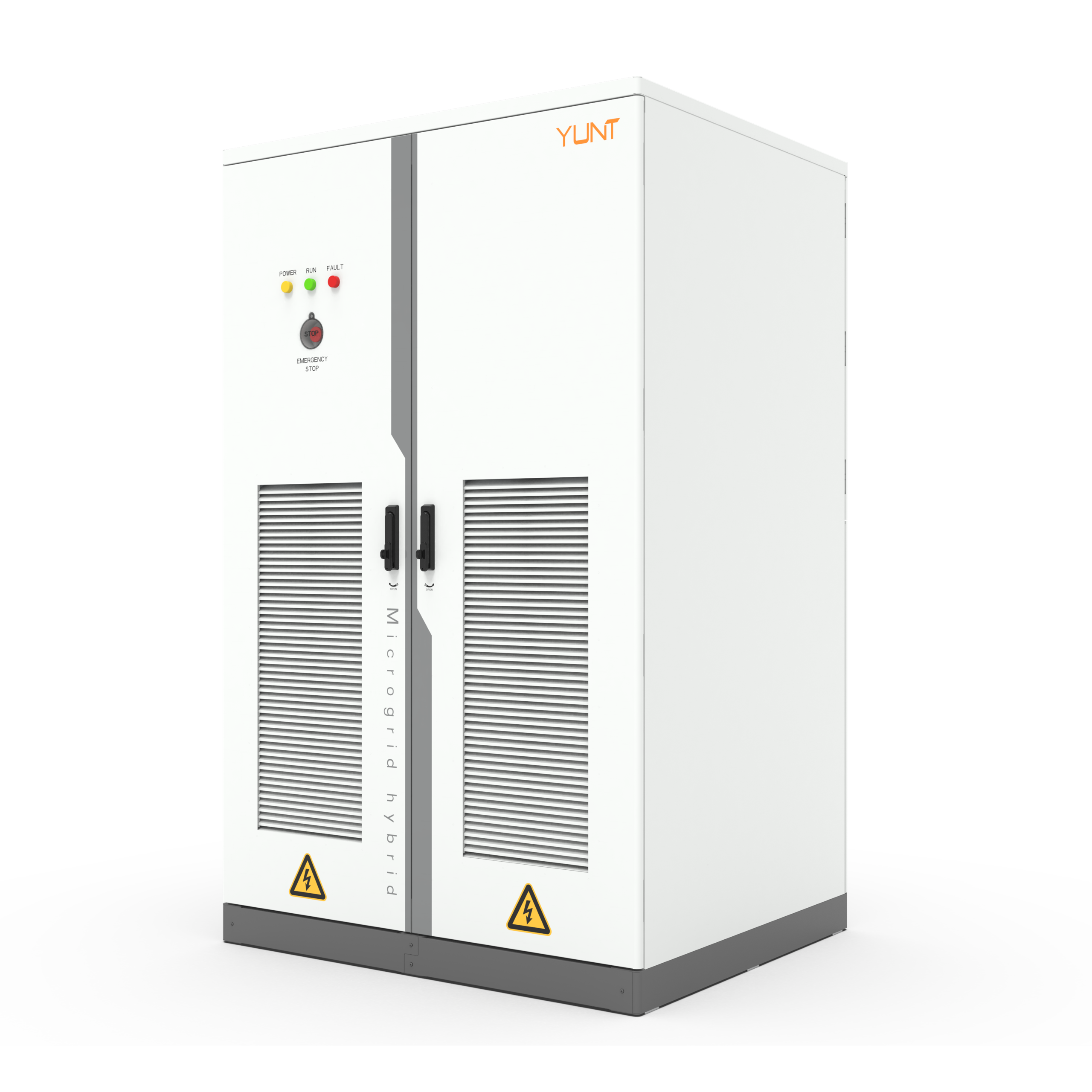
A model-by-model review of Hybrid Inverter begins with evidence mapping for shortlisting
Maintenance planners reviewing a hybrid inverter need more than a product label or a broad category description. They need a shortlisting method that separates stated evidence from working assumptions. Start by defining the operating task, the physical setting, and the information required for a responsible maintenance decision. This keeps the review useful even when the available product page presents a category rather than a complete model schedule.

Separate the category from the model decision
The first task is to define what is actually being compared. A category-level review can establish the intended role of the equipment. It cannot, by itself, establish that every model has the same interface, control behavior, enclosure arrangement, or service requirement. Create separate fields for product family, specific model, application, and evidence source. If a detail is not tied to a named model or a clear page statement, mark it as an open point rather than treating it as a confirmed feature.
The captured product page describes YUNT Hybrid Inverters as intended for on-grid and off-grid operation. It also presents DC-to-AC conversion, intelligent energy management, and use in microgrid systems. These statements help define the product scope for an initial review. They should be recorded as page-listed claims, not expanded into assumptions about every installation. A maintenance plan still needs to relate the stated scope to the site’s operating pattern and access conditions.
Compare information that applies to the task
For maintenance planning, organize the comparison around decisions that affect inspection, intervention, and escalation. Useful headings include operating context, equipment boundaries, installation space, routine access, control interfaces, replacement strategy, and supplier contact. The aim is not to fill every field with a guessed value. The aim is to show which questions have evidence, which need technical clarification, and which depend on the final application.
When the review concerns a hybrid power inverter, keep the product description and the maintenance requirement in adjacent columns. The page’s reference to on-grid and off-grid operation may be relevant to the intended operating context. Its reference to intelligent energy management may identify a control-related topic for further review. Neither phrase, on its own, defines the site’s control logic, maintenance interval, fault response, or compatibility with connected equipment. Those distinctions prevent a general product statement from becoming an untested work instruction.
Space should be treated as a decision input, not as a late installation detail. Record the proposed location, service clearances, cable routes, environmental conditions, lifting path, and isolation arrangements when those details are known. If they are not known, list them as requirements for the next engineering discussion. This approach helps the planner avoid selecting a nominally suitable product that cannot be maintained safely or efficiently in the intended location.
Record assumptions and interfaces
A strong evidence map has an explicit assumptions register. For each unresolved point, write the assumption, its effect on maintenance, the person responsible for confirming it, and the evidence needed to close it. Separate product evidence from site evidence. A supplier page may describe the product’s intended application, while the site team must define access, isolation, monitoring, spare-parts control, and local procedures.
Interfaces deserve their own section because they often connect several responsibilities. Record the electrical boundary, communications boundary, energy-management boundary, and handoff between the equipment supplier and the site maintenance team. Do not infer a supported interface from a general phrase such as “intelligent energy management.” Instead, turn that phrase into a question about the required signals, ownership, operating states, and records available to the maintenance process.
The official page provides a practical contact cue for the next step: its inquiry section states, “Welcome your inquiry, we will give you constructive comments within 24 hours.” For a hybrid power inverter shortlist, that statement can support a time-bound clarification request, but it does not establish performance, suitability, or the technical answer to any open interface question. Keep the statement in the procurement record with its narrow scope.
Prepare a focused sourcing brief
Once the evidence map is complete, reduce it to a brief that a supplier or engineering reviewer can answer without reconstructing the project. State the application, operating modes under consideration, installation constraints, required interfaces, maintenance access needs, and the exact points that remain unresolved. Ask for model-specific answers where the decision depends on a model. Request that assumptions be identified rather than silently incorporated into the response.
The brief should also preserve the source wording that shaped the shortlist. This creates an audit trail between the page-level claim, the planner’s interpretation, and the next technical question. It is especially useful when several models appear to fit the same broad category but differ in documentation, interfaces, or site obligations. A concise record supports a better discussion than a ranking based on unsupported detail.
A defensible review of hybrid inverter options therefore has a narrow purpose: map the evidence, define the intended use and space, expose assumptions, and carry open interfaces into the sourcing brief. The captured page presents YUNT as a provider of hybrid inverter products and describes its stated application scope; the planner’s responsibility is to keep that evidence bounded while turning it into clear, model-specific questions for the next decision.