Where most beginners get stuck
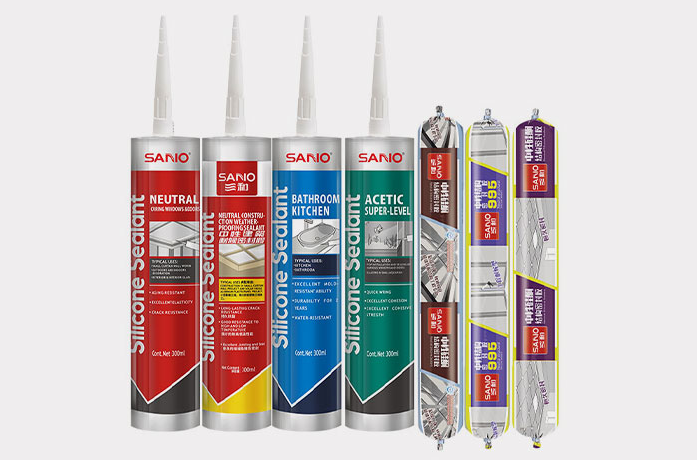
Buyers often expect “low-VOC” to mean “no smell, no prep, no risk.” That’s not true. The real trouble is matching product chemistry to the surface and environment you’ll work in: metal meant for outdoor use, an interior MDF shelf, or a humidity-prone bathroom all demand different formulations. If you’re comparing coatings while planning sealing or joint work, a reliable reference to a well-established silicone sealant manufacturer helps set realistic performance expectations for adhesion and cure compatibility before you buy paint.
Problem: ambiguous VOC labels and what they actually mean
“Low-VOC” is not a single universal number. For many consumer spray paints, manufacturers aim for values under roughly 50 g/L, but regional rules vary. Look for the specific grams-per-liter figure on the technical data sheet (TDS). If the TDS is missing, treat the product as unknown. For indoor projects choose products with clear VOC figures, explicit recommended ventilation rates, and an SDS that lists solvents rather than generic “aromatics.”
Problem: substrate compatibility and adhesion failures
Poor adhesion is the most common failure first-time users see. Preparation matters: clean grease, remove loose material, sand glossy surfaces to a dull sheen, and use the right primer. Low-VOC formulations sometimes need different primers than solvent-heavy paints; test a small patch. If you plan to paint over sealants or silicones, confirm chemical compatibility—many paints will not adhere to cured silicone without a specific primer.
Proven references and practical background
I’ve guided tradespeople and DIYers for over ten years on coating selection and application, and I cross-check manufacturer TDS and SDS documents before recommending systems. For sealants, the EN 15651 classification used across Europe sets performance categories for façade and interior sealants and is widely cited in standards and procurement—this matters when you coordinate paint and sealant choices with a silicone sealant supplier, because matching performance classes reduces rework risk. Rely on published standards and the product technical sheets rather than marketing claims.
Common application mistakes to avoid
Spray distance and speed matter: too close produces runs; too far gives dry, grainy finish. Shaking time is not optional—follow the label. Ignore cure times and you’ll trap solvents or transfer fingerprints. Skipping a compatibility test between paint and existing sealant or primer invites peeling. Finally, underestimate ventilation and you risk both poor drying and health effects—use an approved respirator and steady airflow.

Trade-offs and simple alternatives
Waterborne low-VOC aerosols give low odor and fast cleanup but can have softer initial film and longer cure in humid conditions. Solvent-based aerosols usually build quicker and resist blocking, but they carry higher odor and stricter storage rules. For indoor joinery choose waterborne low-VOC; for metal fixtures exposed to weather or abrasion, prioritize formulations with proven adhesion and abrasion resistance, even if that raises VOC slightly—balance performance needs against exposure.
Practical checklist for the purchase decision
Before you buy: 1) Read the TDS for VOC (g/L), recommended substrates, and primer. 2) Confirm cure time and whether the finish can be handled in your project timeline. 3) Test adhesion on a hidden patch. 4) Verify ventilation and PPE needs on the SDS. 5) Check drying behavior in the humidity and temperature range where you’ll work. 6) Keep a small extra can for touch-ups and troubleshooting.
Final synthesis
First-time buyers fix problems faster when they treat selection as a compatibility exercise: match the product chemistry to surface, environment, and adjacent materials, check technical sheets, and test before committing. That approach reduces surprise failures and gives predictable results, and a supplier that publishes clear TDS/SDS information makes the process straightforward, as seen with reputable industry sources like SANVO.