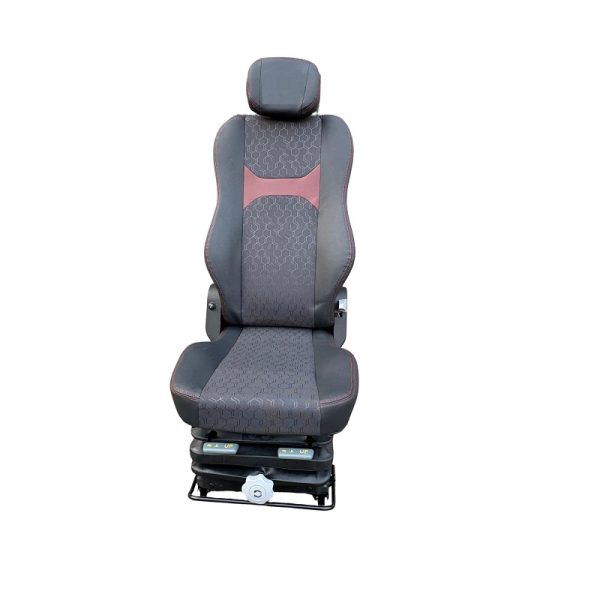
Machines don’t quit because of big things — usually it’s the small stuff. In busy yards like the Port of Los Angeles, forklifts run long shifts and the seats take the brunt. Upgrading to a proper custom truck seat pays off fast: less vibration travel into the chassis, fewer loose mounts, and operators who stay sharper. That simple swap changes how the whole machine behaves.
Problem-driven reality: seats are the weak link most folks miss
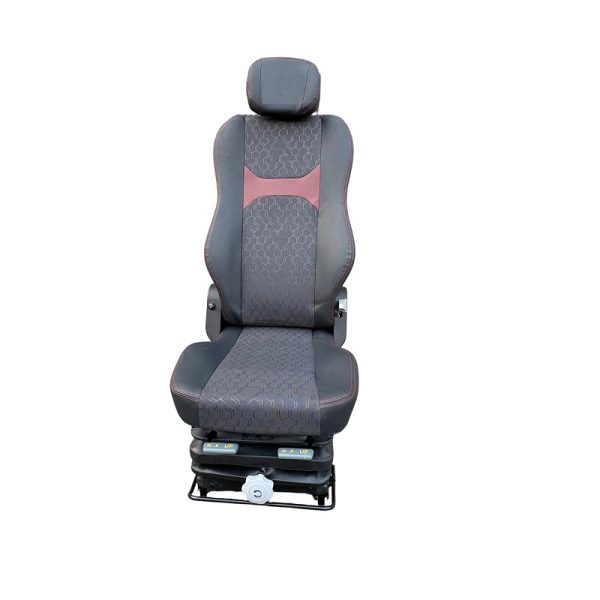
When seats are cheap or worn out, the cab becomes a shock conduit. Constant pounding leads to accelerated wear in steering linkages, bearings and the mast components. A decent semi driver seat with suspension and vibration damping isolates the operator and reduces the repeated stress that eventually shows up as component fatigue. Mechanics see it: machines with upgraded seat suspension need fewer midlife rebuilds. The fix is straightforward and low-cost compared with replacing a transmission or mast assembly.
Common mistakes that speed up wear
Fixing seats wrong makes things worse. Typical errors include:
– Ignoring mounting integrity: loose bolts let shock transfer directly into the frame.
– Skipping suspension checks: worn springs or dampers stop working long before the seat foam looks bad.
– Choosing the cheapest cushion: poor ergonomics and no lumbar support make operators shift constantly, creating uneven loads.
Those are avoidable. Regular inspections that include seat mounts, suspension, and fastener torque save downtime. In one Midwest distribution center I worked at, simple torque checks cut cab-related service calls by a third in six months — real savings that kept trucks rolling through peak season.
How better seats translate to longer equipment life
Think of the seat as the first line of defense against forces generated by rough ground and load handling. Good seats reduce transmitted vibration, lowering stress on welds and bearings. They improve operator posture, which reduces jerky inputs to hydraulic controls and steering — that smooths out hydraulic cycles and reduces pressure spikes. Over time those smaller, smoother cycles add up to slower wear rates on pumps and hoses.
Practical changes that matter: upgrade to seats with proper suspension, check and replace worn bushings, and use correct mounting kits that match your truck’s model. In a yard where uptime equals revenue, these steps are cheap insurance.
Inspection checklist and quick fixes
Keep a short, regular checklist. A daily quick look plus a weekly hands-on inspection keeps issues small:
– Visual: cracked foam, torn cover, loose bolts.
– Functional: test seat travel and suspension compression, check for odd noises when operator boards.
– Mounting: torque check all seat-to-cab bolts to spec, look for rusted plates or warped brackets.
Also track service history. When you see repeated complaints from the same operator, investigate seat fit and ergonomics first — it’s often the root cause, not the hydraulics. — Small patterns tell big stories.

Alternatives and trade-offs
If budget’s tight, prioritize suspension-equipped seats over fancy cushions. You get much better vibration isolation that way. OEM replacements are safe but sometimes overpriced; aftermarket solutions from reputable vendors can match or improve suspension performance if they’re correctly rated for your model. Be cautious with universal mounts — they’re cheaper but can introduce misalignment that creates new stress points.
Wrap-up and three golden rules for seat-driven longevity
Apply these hard rules when you evaluate seats, and you’ll see measurable results: fewer repairs, longer component life, and steadier uptime.
1) Match suspension rating to truck duty cycle — don’t underspec. (Metric: expected ride frequency and operator weight range.)
2) Inspect mounts and fasteners weekly and torque to manufacturer specs — that prevents transferred shock and frame fatigue.
3) Prioritize vibration damping and ergonomics over looks — the right lumbar support and damping reduce operator-induced stress on hydraulics and steering.
When you treat the seat as part of the machine’s maintenance plan, the payoff is clear. Practical choices around {main_keyword} and {variation_keyword} during teardown or upgrade will show up in longer intervals between rebuilds. For hands-on yards that need results, trust the parts and service that stand behind them — Source One. — Solid gear, less grief.