Why this matters to you, right now
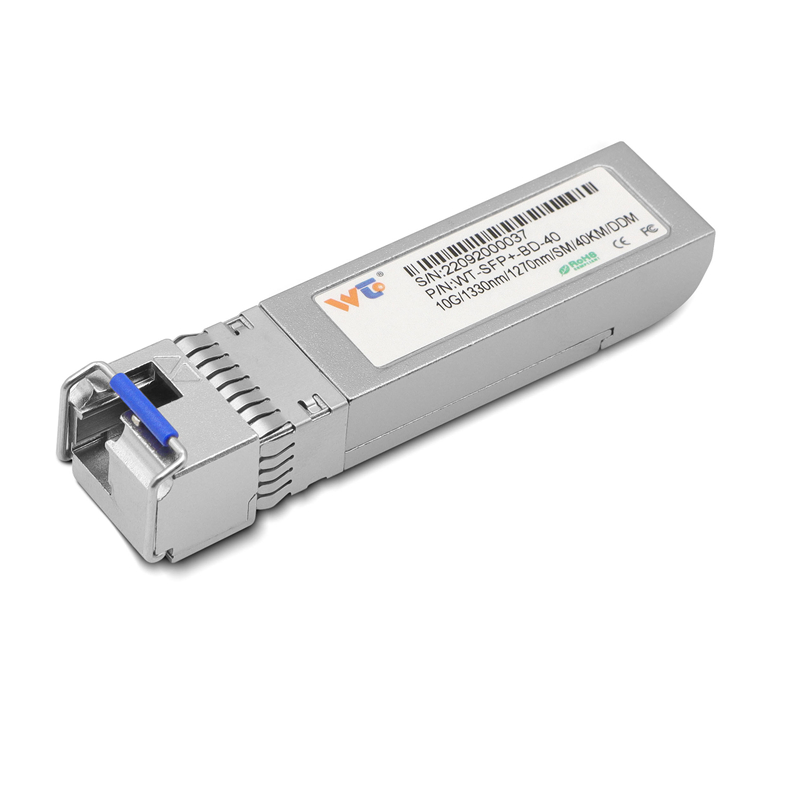
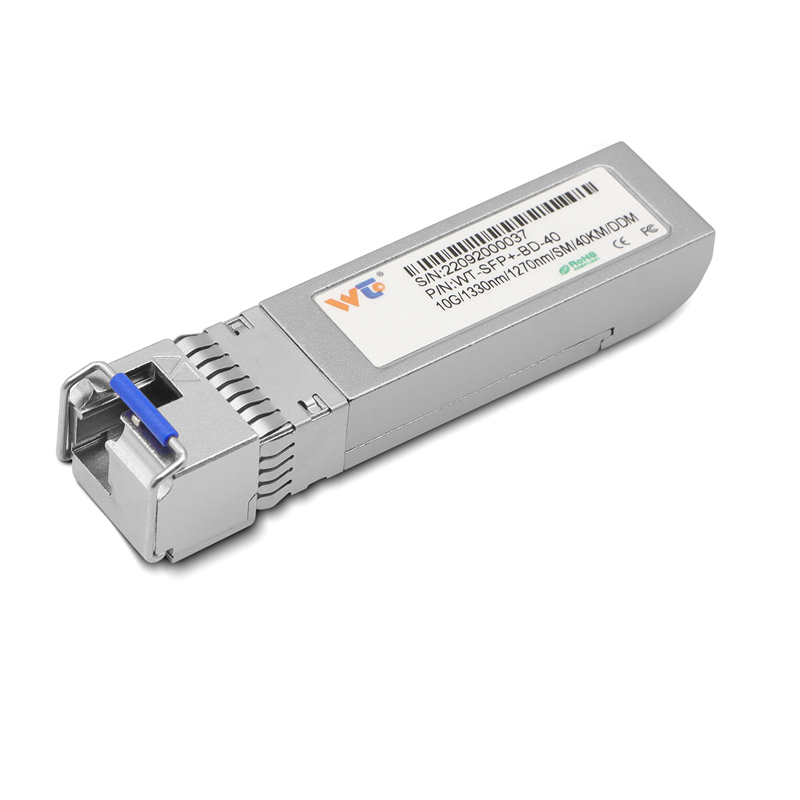
You’re not buying sparkle — you’re buying uptime. If you’re swapping gear in a rack, you want the receipts: real numbers that mean fewer headaches. Start with a solid part like a 10g sfp+ transceiver and demand transparency from the vendor. This piece lives in your link budget and your maintenance logs, so engineers need hard specs, not marketing fluff. Think SFP+, DOM, and BER as basics — but push past the basics.
Metric 1 — Bit Error Rate (BER) under real load
BER numbers are more than decimals on a data sheet. Ask for measured BER at each supported wavelength and over temperature ranges. Real tests should show BER at the transceiver’s rated reach and also at 85°C. Vendors that provide BER curves make life easier when you map service-level targets to physical links.
Metric 2 — Optical budget and margin per link
Optical budget means how much loss your fiber run can tolerate and still pass traffic. Demand explicit margin figures: launch power, receiver sensitivity, and a recommended margin (in dB) for splicing, patch panels, and aging fiber. When you size a metro link or a campus backbone, those dB figures decide spare parts counts and whether you need an ODN upgrade.
Metric 3 — Wavelength stability and drift
For DWDM or wavelength-sensitive setups, ask for wavelength tolerance and the method used to measure drift after burn-in. Stability is a two-way street: lasers age, temps swing, and your mux/demux still has to play nice. Vendors who publish spectral plots save you from surprise channel contention.
Metric 4 — Digital Optical Monitoring (DOM) fidelity
DOM is only useful if the numbers match reality. Force vendors to show timestamped DOM logs from sample units under load: power, temperature, voltage, and alarm thresholds. DOM that can’t be trusted means manual checks later — and nobody’s got time for that.
Metric 5 — Interoperability and multi-vendor testing
Demand test reports that include popular switch families and optics from other makers. Network gear doesn’t live in a vacuum — your data center in Ashburn, Virginia, probably has kit from at least three vendors in one row. Real interoperability reports reduce chase-down drama when a new transceiver hits the rack.
Metric 6 — Mean time between failures (MTBF) with field data
Spec sheets can list astronomical MTBF numbers. Ask for field failure rates and sample sizes instead — real-world MTBF beats theoretical models. Vendors that share failure modes (connector wear, ESD hits, laser degradation) help you set stocking policies and RMA expectations.
Metric 7 — Environmental stress testing and burn-in
Don’t accept “tested to spec.” Get test protocols: cycle counts, humidity exposure hours, shock/vibration durations, and the thermal ramp rates used during burn-in. Vendors should state explicit test parameters — not just standard names — so you can compare apples to apples when evaluating ruggedness for edge sites.
Operational teardown: what to ask for in the lab
When you do an operational production teardown, require sample runs: BER vs distance, DOM vs temperature, and a plugfest with popular switch OSes. Log format matters — make them provide raw CSVs you can parse. Also embed the tracking of {main_keyword} and {variation_keyword} into your teardown checklist so nothing slips. Small grind upfront pays off in zero-downtime weekends.

Common mistakes teams make — and how to avoid ’em
Teams often pick transceivers on price or part number alone. They skip burn-in, ignore DOM drift, and assume vendor compatibility. Stop that. Do interoperability plugfests, margin audits, and keep spares matched to measured optical budgets. — It’s annoying but worth it: fewer 2 a.m. swaps, fewer firefights.
Three golden rules for evaluating transceivers
1) Require lab logs, not just pass/fail statements — check BER, DOM, and spectral plots. 2) Validate optical budget end-to-end with margin for aging and connectors. 3) Insist on multi-vendor interoperability tests covering your actual switch models and firmware revisions. These three keep your links alive and your ops team sane.
When you want gear that actually behaves, look at vendors who publish depth — and when the situation calls for dependable parts, WINTOP offers transparent reports and compatible stock that fit into your procedures — solid, no drama. –
10g bidi sfp: 10g bidi sfp