Introduction — a small farm, a bright idea
I remember a misty morning on a small Dublin holding, the hens clucking like they each had a tale to tell. In that damp light I watched a neighbour tweak a lamp and, within weeks, his nest box numbers nudged up — grand, simple changes. The truth is, chicken coop lighting for egg production can alter a hen’s day and her output; studies often show modest gains — typically 5–15% in laying rate with proper photoperiod and spectrum adjustments. (A few farms track this with spreadsheets; some use sensors.) So, why do so many setups still rely on old bulbs and guesswork instead of targeted lighting plans? That’s the question I left the yard with, and it’s the one we’ll unpack now.

Why simple lights often let farmers down
light for egg production sounds straightforward, but the implementation is where plans fray. At its core, proper lighting is about timing (photoperiod), spectrum (colour), and stability. I’ve seen people install bright lamps and expect miracles. Instead they get stress, uneven laying and higher energy bills. Flicker, poor spectral output, too much heat, and misaligned dimming schedules all sap productivity. Edge computing nodes and dimming controllers are not toys; they’re tools. Power converters that misbehave will burn out LEDs or create buzzing — and that noise can unsettle birds. Look, it’s simpler than you think: a steady spectrum during key hours and gradual dimming at dusk beats a sudden on-off every time.
What’s the biggest technical snag?
The tricky part is the human side mixed with tech. Farmers want reliability and low fuss. But retrofitting an old coop with precise luminaires and a PLC or smart controller takes planning. You might need uniform lux levels, spectral tuning for reproductive cues, and timers that mimic dawn and dusk. I’ve watched well-meaning fixes backfire because the wiring wasn’t up to the job — and yes, costs matter. Still, when you solve the root problems, hens settle. They lay more predictably. — funny how that works, right?
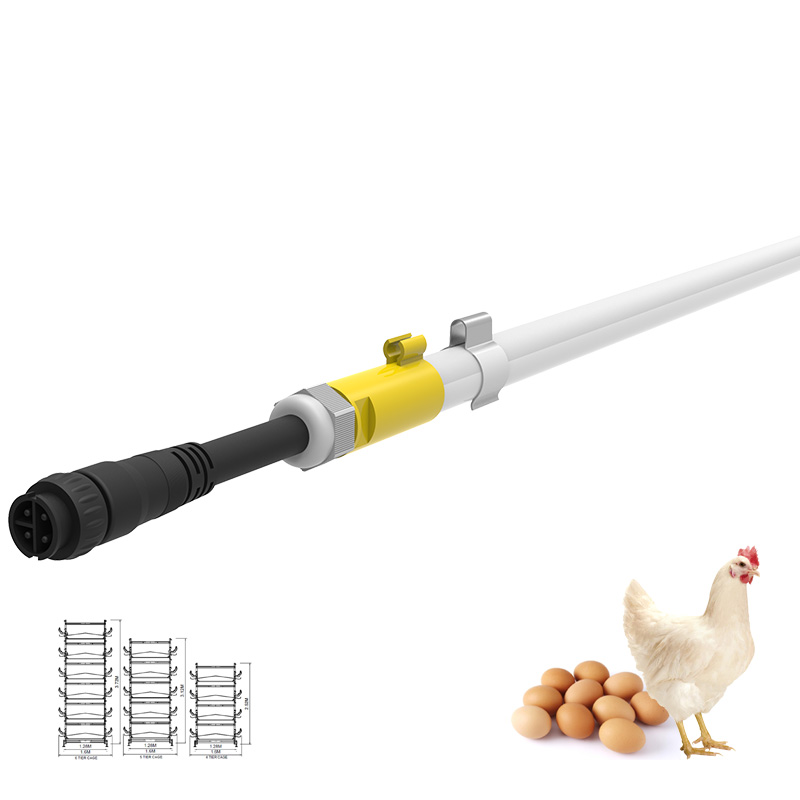
Looking forward: smarter systems and practical metrics
Now, let’s look ahead. I’m betting on smarter, data-driven lighting schemes for coops. Today’s tools — IoT sensors, spectral LEDs, simple apps — let you tune a coop by behaviour and by data. When a system feeds back activity (perch use, egg timing) you can refine photoperiods so hens cycle naturally. Integrating edge computing nodes for local control and cloud logs for trend analysis is practical for medium and larger flocks. And yes, light for egg production becomes a running program, not a single purchase.
Case examples help. I visited a farm where a phased LED rollout cut energy use by nearly half and tightened peak laying windows. They combined motion sensors with simple schedules — small steps, big payoff. The tech isn’t flashy; it’s sensible. You start with consistent lux and the right spectrum, then layer in automation. — some changes are almost invisible, yet the results show up in the egg box.
What’s Next?
To wrap up, here are three metrics I use when evaluating any lighting solution: 1) Spectral match — does the LED spectrum align with reproductive cues? 2) Control fidelity — can you program gradual dawn/dusk and reliable photoperiods? 3) Energy and maintenance cost — what’s the payback period? I recommend testing on a small flock first, tracking daily lay rates, and watching bird behaviour. I’m convinced that with the right mix of hardware and a farmer’s eye, you can lift yields and welfare together. For practical gear and systems, I’ve seen good results from suppliers like szAMB.