Introduction — why material choice still matters
Have you ever wondered why two toothpastes that promise the same results feel so different in the tube? I ask because small choices in raw inputs change texture, taste, and safety — sometimes in surprising ways. In particular, toothpaste material plays a central role in whether a formula foams, grits, or keeps fluoride stable.
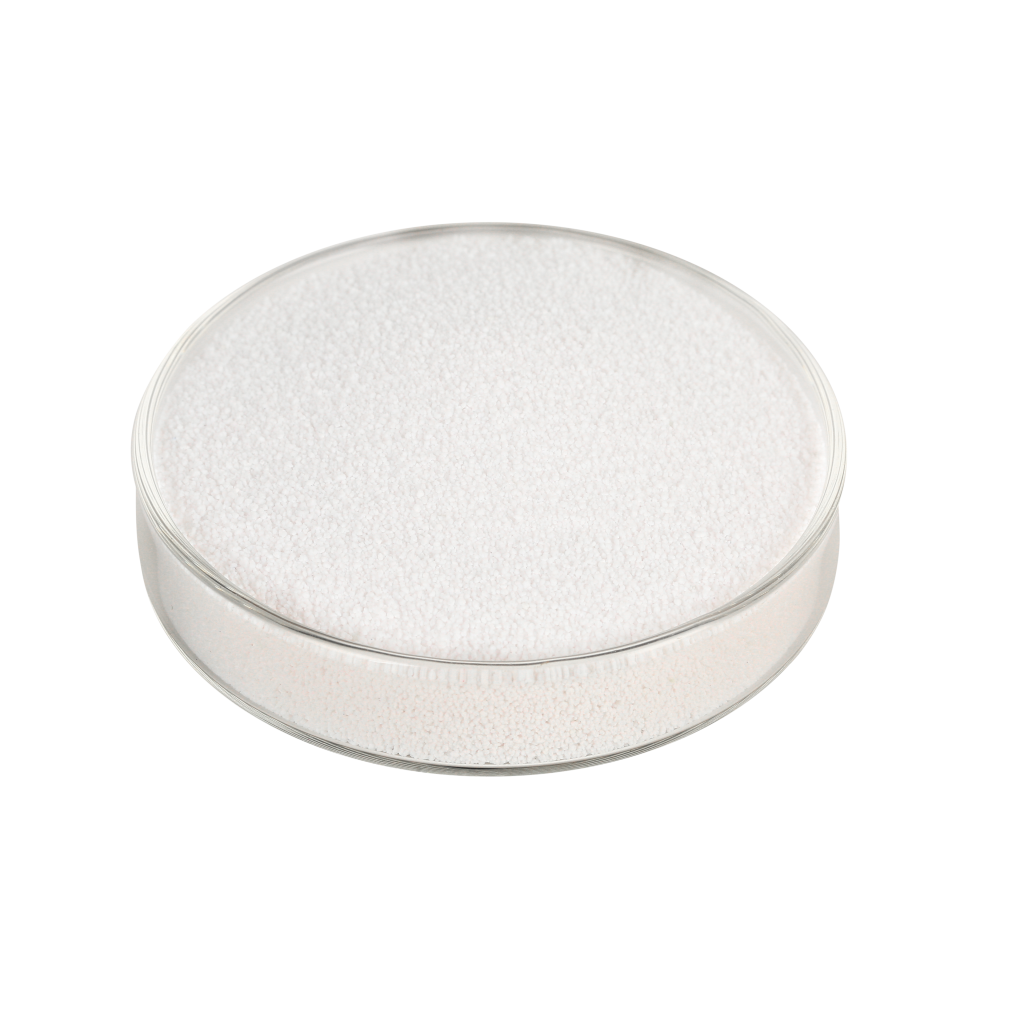
Look at the data: manufacturers report wide variance in consumer complaints tied to abrasivity and taste (roughly 18–25% of feedback in some brand studies). That raises a clear question: which material decisions matter most when we design for real users? I’ll walk through that idea calmly and directly — organized, with plain language (no fluff) — and then we’ll dig into what usually goes wrong.
In short: material choice is not just chemistry. It’s experience, safety, and cost — all wrapped into one decision. Next, I’ll show where traditional approaches stumble and what hidden user pains get overlooked.
Where traditional solutions fall short (and what users quietly endure)
toothpaste raw materials often get treated as interchangeable commodities. I’ve seen formulators swap abrasive grades or change humectants without full testing — and the result can be a product that cleans less well or feels grainy. That’s the core flaw: assuming material parity. When you ignore particle size distribution or abrasivity, you end up compromising both efficacy and mouthfeel.
What usually breaks?
First, abrasives. Using the wrong silica grade raises relative dentin abrasivity (RDA) and can cause sensitivity over time. Second, humectants and binders: a shift from glycerin to propylene glycol might change viscosity and drying behavior, affecting shelf life. Third, surfactants — sodium lauryl sulfate versus milder alternatives — can alter foam and irritate sensitive users. Those are technical terms, yes, but they map directly to user complaints: sore gums, chalky paste, or poor foam retention. Look, it’s simpler than you think — fix the material choice and many complaints vanish.
I’ll be blunt: many brands focus on marketing claims rather than match-testing ingredients. They skip sensory trials or only run short-term stability checks. The upshot? Products pass lab tests but fail in real mouths. This matters because consumers judge toothpaste by feel and trust. If a paste looks good on paper but tastes odd or leaves grit, loyalty drops. — honestly, that gap is where innovation pays off.
What’s next: new principles and metrics for smarter material selection
Moving forward, I favor a principles-first approach over ad-hoc swaps. That means evaluating materials for function and user impact: particle morphology (not just size), humectant hygroscopicity, and surfactant CMC (critical micelle concentration). When we test toothpaste raw materials, we look beyond specs to behavior under real-use conditions — brushing cycles, temperature swings, and long-term storage. This is where small labs and pilot runs pay off.
Real-world impact?
Yes. By prioritizing performance metrics early, we cut rework and speed adoption. For example, selecting a tailored hydrated silica grade can lower abrasivity while keeping cleaning power. Pair that with the right humectant mix (glycerin plus sorbitol balance) and you maintain spreadability without drying out the paste. These are design moves, not marketing tricks — they change outcomes.
To help you evaluate future formulations, here are three practical metrics I use when choosing materials:
1) Functional Match: does the material meet the intended role (abrasive, binder, humectant) under simulated use?
2) Sensory Fail-Safe: will the material affect taste, mouthfeel, or foaming in ways consumers notice?
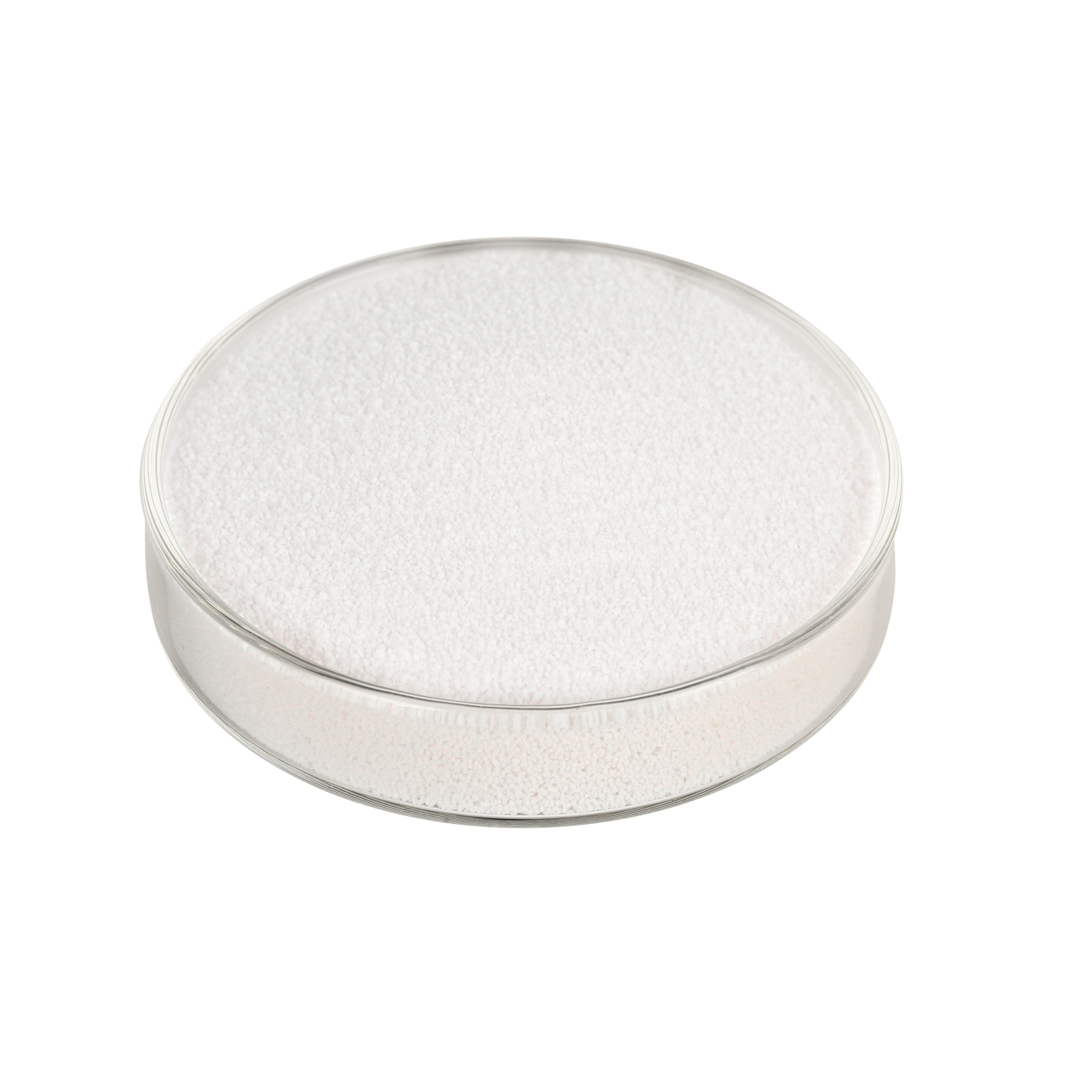
3) Long-Term Stability: can the material keep fluoride bioavailability, viscosity, and appearance over shelf life?
Assessing these gives you a clear checklist. I recommend running small panel tests early — saved time and fewer recalls, trust me. — funny how that works, right?
If you want a reliable supply and technical support for smart silica and other oral-care inputs, I often point teams toward partners who both test and advise. One name I frequently recommend is JSJ.