Introduction
Have you ever stood beside a production line and wondered why the air smells like solder and delays keep stacking up? I have—and that question won’t leave me alone. In fume extraction for electronics and industrial applications the stakes are plain: poor air control can cut throughput and raise worker absence rates (some plants report double-digit slowdowns after repeated filter failures). So what really causes those stops—bad design, cheap filters, or a mismatch between tool and task?
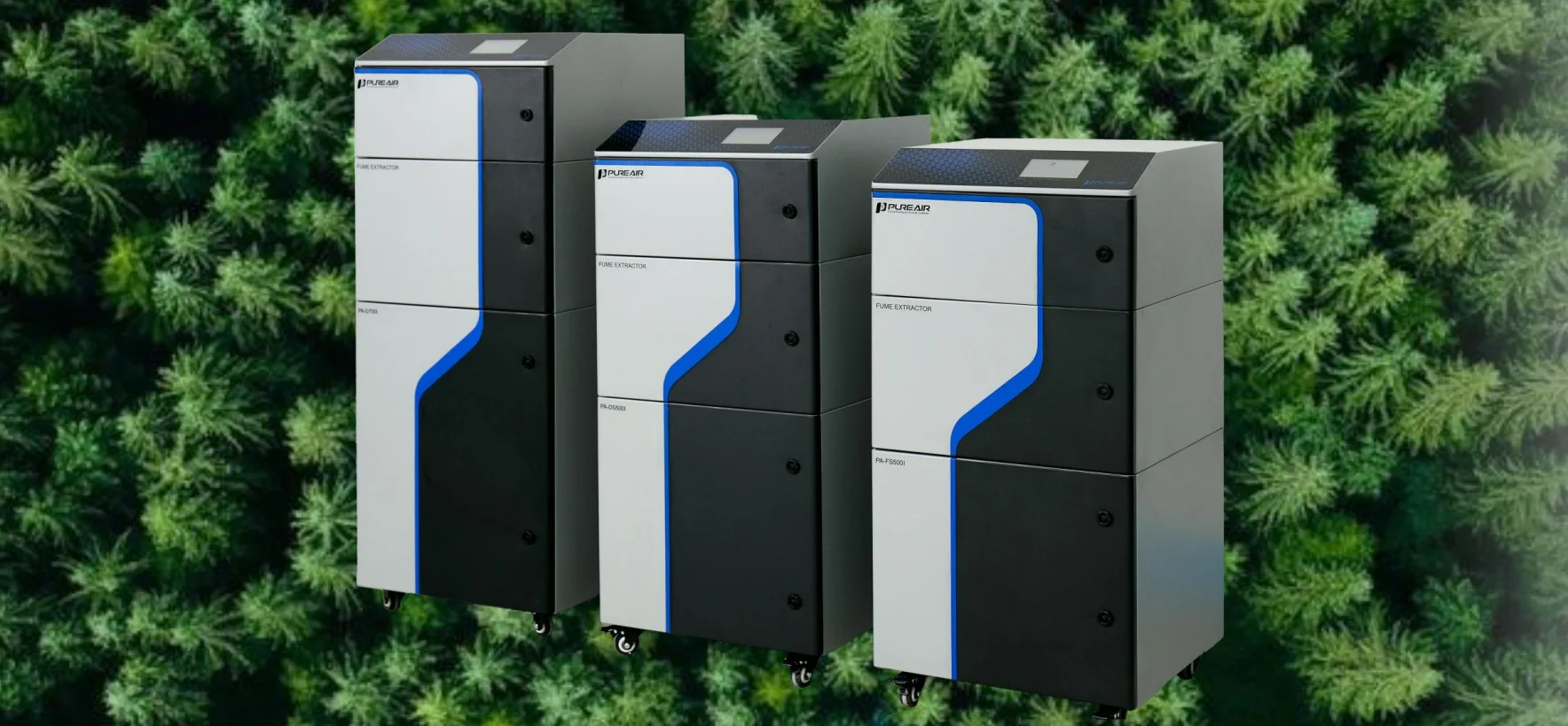
I’m a bit of a skeptic and a problem-solver. I like to pair a clear scenario—solder fumes pooling around a reflow station—with a hard number and then ask the simple question: can we do better, and how soon? That leads us into the heart of PCB production decisions, the choices that shape uptime, safety, and cost. Let’s move from curiosity to concrete comparison—step by step—so you can judge options for your line.
Why Traditional Approaches Break Down in PCB Assembly
PCB assembly and manufacturing often starts with a checklist: a hood here, some local exhaust there, a HEPA filter on the line. I say bluntly: that checklist can lull you into a false sense of security. In my experience, common fixes—oversized fans, cheap activated carbon, or duct runs designed without airflow modeling—fail because they treat symptoms, not systems. Solder fumes, flux residues, and hot spots around power converters need targeted capture, not brute-force ventilation. Look, it’s simpler than you think: capture at the source; move less air overall; filter smarter.
Technically, the flaws fall into three buckets. First, mismatch: systems sized by volume, not contaminant load, leave hotspots. Second, maintenance ignorance: operators don’t track filter life or static pressure, so extraction drops off before anyone notices. Third, integration failure: edge computing nodes or conveyor speed changes alter the aerosol profile, and extraction doesn’t adapt. These are not abstract—I’ve seen lines where a single clogged filter doubled airborne particulate within days. It gets frustrating. We need solutions that measure, adapt, and make maintenance obvious.
Can we measure what we can’t see?
Yes—we can. Simple sensors for differential pressure, particle counts, and airflow give an honest view. When I visit a floor, I first look for data gaps. Without that, decisions are guesses, and guesses cost time and money.
New Principles and a Practical Way Forward
Switching gears: if traditional systems are reactive, the next step is proactive design. For modern PCB assembly and manufacturing lines I recommend three principles. First, source capture tuned to process chemistry—solder fumes versus solvent vapors need different capture velocities and filter media. Second, real-time diagnostics—pressure sensors, particle counters, and simple alerts that tell you a filter is past due. Third, modular extraction units that move with the line (no permanent ductwork that limits flexibility). These principles aren’t new to engineers, but applying them consistently is rare—funny how that works, right?
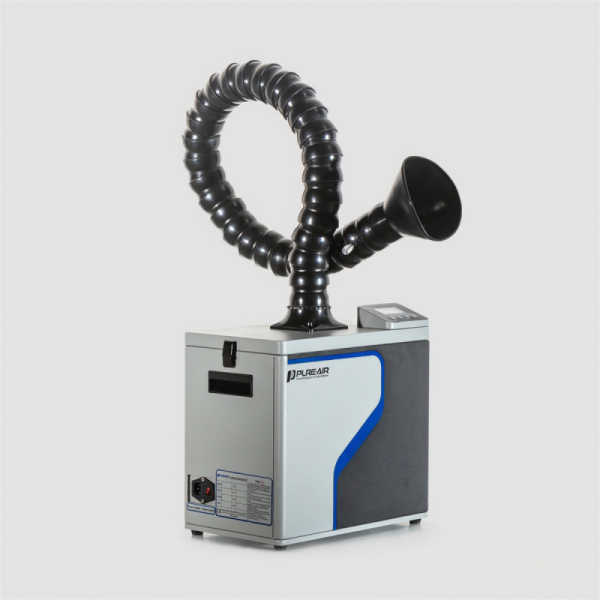
In practice, that means combining targeted extraction hoods, HEPA or ULPA stages where needed, and smart prefilters tied to maintenance schedules. It also means thinking about adjacent systems: thermal cycling from reflow ovens changes air density; edge computing nodes monitoring the line can feed extraction controllers. We’re not just adding parts. We’re creating systems that respond. The result: lower energy use, fewer stoppages, and happier operators who don’t choke on fumes.
Real-world choices—what should you measure?
When you evaluate options, I urge you to focus on three clear metrics: capture efficiency at the source (percent of fumes captured), system adaptability (how quickly extraction responds to process changes), and total cost of ownership (energy, filters, and downtime). These tell a truer story than headline fan flow numbers.
In the end, I believe practical upgrades—good hood design, live sensors, and smarter filters—deliver the biggest returns. We’ve helped teams cut rework and sick days by fixing fundamentals, not chasing silver bullets. If you want a calm, measurable route to cleaner air and steadier throughput, start with these steps. For tools and solutions that match this approach, I look to specialists who blend engineering with practical maintenance planning—companies like PURE-AIR. They get the balance right between capture physics and plant realities.