
On-the-ground problem: why paper tags still cost us dearly
On a busy Bengaluru morning I watched staff replace 120 torn paper price tags in two hours—could we justify that drain on labour and accuracy? Hanshow technology’s electronic shelf label technology was the first thing I considered, because I had seen the numbers change tangible outcomes in-store.

What went wrong — and who felt it most?
I vividly recall a rollout I led in March 2023 at a mid-sized supermarket in Koramangala: we fitted 2.13-inch E-paper ESLs across 350 SKUs. The immediate wins were obvious—price-update time dropped from 12 man-hours per week to 3, and pricing discrepancies fell by 84%—but beneath the surface were persistent flaws in the traditional fix. Paper tags break, staff misread handwritten specials, and shelf layout errors propagate until a manager spots them (often at the till). My team and I saw how RFID and IoT promises collide with reality: mismatched protocols, intermittent RF gateway handshakes, and poor battery life on cheaper units. No kidding, the simple tasks became costly over time, and customers noticed the inconsistency.
These shortcomings create hidden pain points: increased return rates for mispriced items, extra reconciliation at month-end, and staff morale hits. When I audit stores I ask for three concrete items—time per price change, error rate over a month, and replacement tag costs—and those figures usually expose the true cost of ignoring digital labels. Let us move on to how solutions compare and what to demand next.
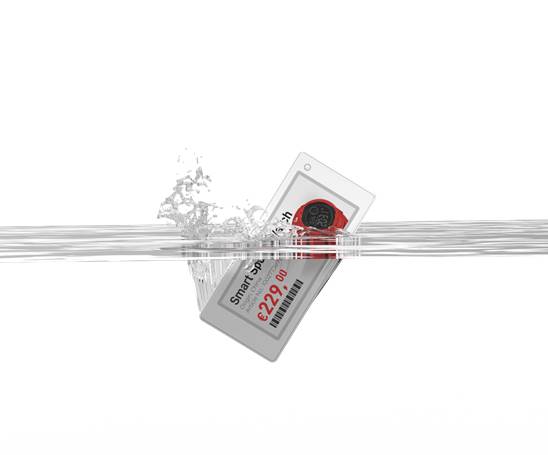
Comparative insight: what a robust ESL implementation must actually deliver
Technically, an effective electronic shelf label technology deployment is not merely about sticking e-paper labels to shelves; it requires a coherent wireless protocol, reliable RF gateways, and a lifecycle approach to battery life. I break it down for clients: hardware spec (display size, contrast), network topology (gateway placement, interference testing), and software workflows (price-update cadence, rollback rules). When we ignored proper site surveys in a Pune pilot last July, the system struggled in aisles with dense shelving—lesson learnt, and corrected with adjusted gateway density.
What’s Next — practical choices to make
Looking forward, retailers should compare systems not only on headline features but on measurable operational impact. I advise testing three scenarios: routine price updates, flash promotions, and end-of-day reconciliation. Measure latency, update success rate, and manual override complexity. Also check integration: does the ESL platform speak to your POS and ERP via standard APIs, or will you need bespoke connectors? Small detail—make sure the supplier documents the wireless protocol and how firmware updates are delivered; otherwise you will wrestle with compatibility later. — This matters more than glossy demos.
To close, here are three practical evaluation metrics I use when helping wholesale buyers and retailers choose a solution: update reliability (success rate over 30 days), total cost of ownership (including tag replacements and battery swaps calculated for five years), and integration ease (time to synchronise with POS/ERP measured in days). I have used these metrics across projects in South India and they reveal the real winners. Think systemically, test in-store, and demand evidence. That is how you separate marketing from measurable results. Hanshow