Dawn on the quays: the road asks a fair question
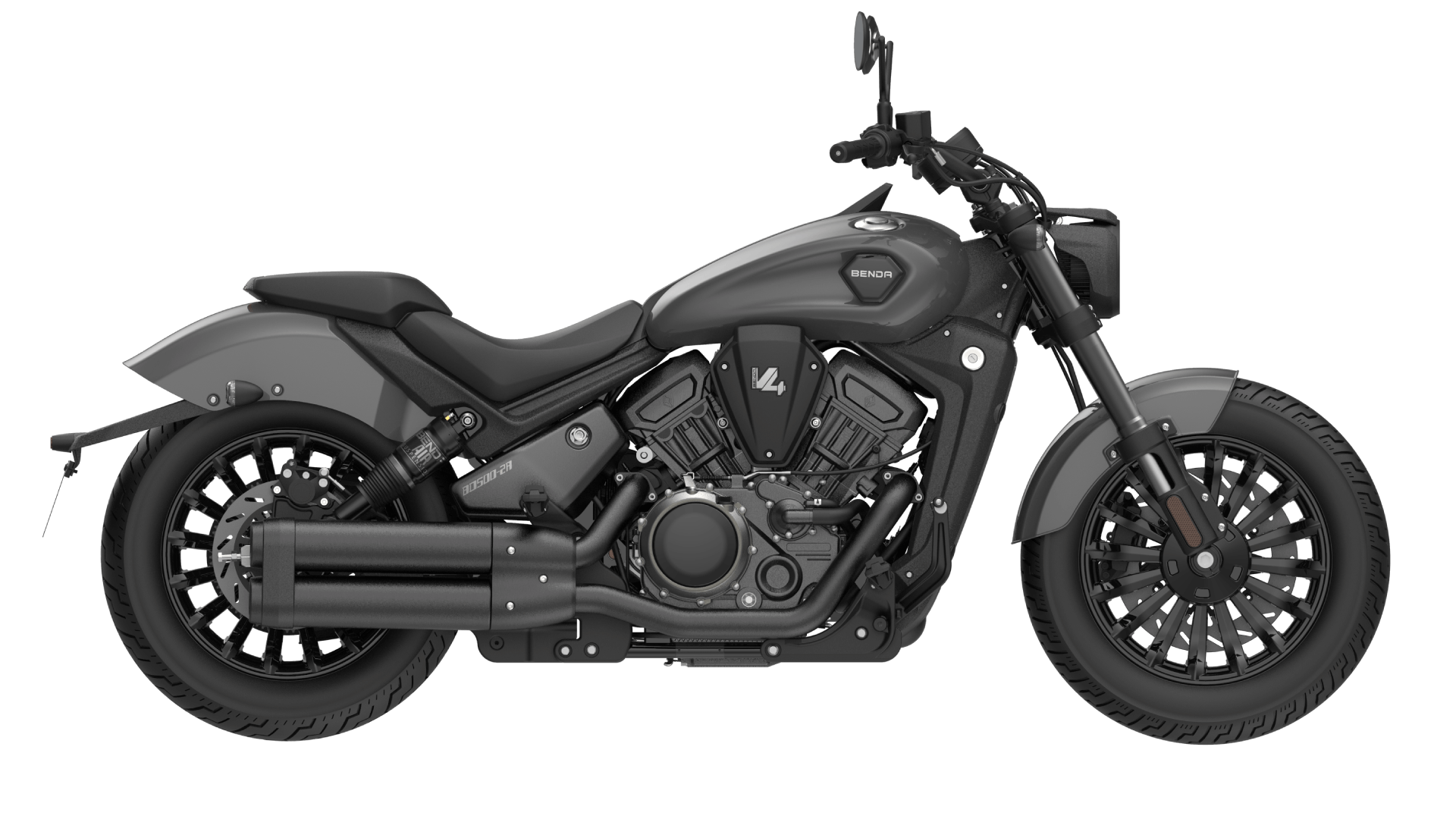
You leave early, the bay air cool, the city not quite awake, and the first sweepers feel grand beneath your boots. This ride is on a cruiser motorcycle, low and steady, with the engine humming like a slow reel. Many big twins sit between 250 and 350 kg, and their frames carry a long wheelbase that calms the front end. But how do you balance ease with command when the miles stack up and the wind veers? The numbers and the nerves seldom agree, and most test rides are too short to show what fatigue will do by hour three.

I’ve seen riders fall for chrome and walk away from comfort, or chase comfort and lose road feel in the bargain. Dublin roads, with a bit of patch and a bit of polish, don’t lie. They tell you if damping is lazy or if the rake angle drifts past the sweet spot. In the end, it becomes a quiet talk between your back, your wrists, and the torque curve. So, let’s compare—steady now—and ask what wins when the long spin stretches home.
Hidden snags riders miss at the showroom
Most cruiser motorcycles look sorted at a standstill. Sit down, feet out, bars up, and you feel tall and tidy. But the test loop hides the pain points. A soft seat masks harsh shocks; a smooth idle hides heat soak; a calm throttle hides a lazy fuel map. Look, it’s simpler than you think: check the triangle your body makes. If the bars pull your shoulders back, every bump becomes a lever. If forward controls overextend your hips, the ABS module will save you once, but not your stamina. Mind the geometry, too. Long wheelbase plus generous rake gives stability, yet dulls feedback when you need a quick line change. — funny how that works, right?
The deeper flaw is how comfort is faked. Plush foam can disguise poor rebound damping. Big pipes can dull mid-range bark where you live most days, between 2,500 and 4,000 rpm. A tidy belt drive is low fuss, but paired with a high compression ratio and weak cooling, town traffic becomes a bake. Ride-by-wire helps smooth roll-on, yet a blunt ECU map can lag, especially two-up. The fix is honest setup: check preload range, ask for the torque curve, and feel for a clean, predictable bite from clutch to rear tyre. That’s control you can trust.
New tech, better balance: where comfort meets command
What’s Next
We’re seeing fresh ideas that take the sting out without turning the ride to mush. Semi-active rear shocks react to the road, not your guesswork. Cornering ABS, fed by a small IMU, lets the machine read lean and load, keeping the line calm when the camber goes odd. Lighter alloys shave unsprung weight, so the fork can speak in short, clear sentences. There’s better cooling flow around knees, and slipper clutches that ease downshifts on wet manhole covers—Dublin will teach you that lesson fast. If you’re scanning for good cruiser motorcycles, ask how these bits work together, not as a parts bin brag. Systems matter; synergy matters more.
Comparisons get sharper with data. One bike gives a fat mid-range and a friendly rake; another brings tighter trail and adjustable damping. Same boulevard poise, different back roads mood. Some offer variable valve timing to widen the usable band without chasing revs; others refine the counterbalancer so the bars stay steady at cruise. You feel less buzz, you steer with less thought— and that’s no small thing. Summing up, comfort that lasts is tuned, not padded. Control that calms is transparent, not loud. To choose well, keep three checks in your pocket: 1) Fit metrics: neutral wrists, hips below shoulders, easy reach to brake and clutch with room in preload. 2) Dynamic metrics: steady torque at 2,500–4,000 rpm, predictable front-end feel, and braking that stays linear mid-corner. 3) Heat and power metrics: knee-area airflow, stable charging for nav/heated gear, and no surging as the ECU trims fuel in traffic. Share the road, keep the head, and let the machine meet you halfway. Sound advice, and still your call—like every good ride. BENDA